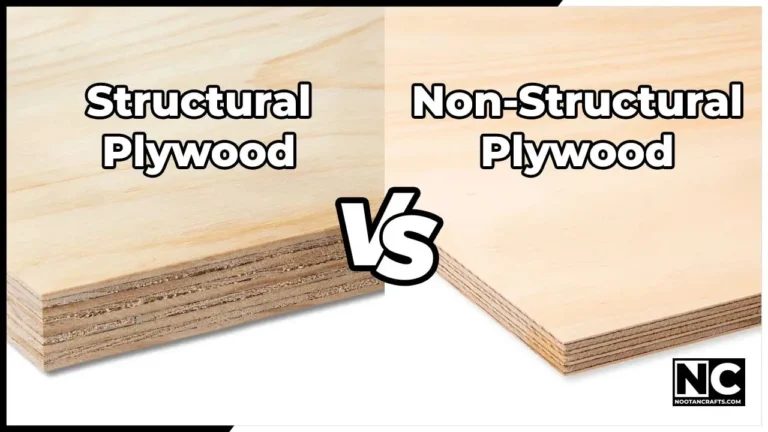
Structural plywood is certified to carry load and bonded with weather-resistant glue — roofing, flooring, walls, anything outdoors. Non-structural plywood is made to look good indoors — furniture, cabinetry, paneling. The difference isn’t the wood, it’s the adhesive and the certification.
The quickest way to tell them apart in a shop: structural plywood has a certification stamped on the sheet. If there’s no stamp, treat it as non-structural regardless of how solid it feels.
What’s Inside!
Quick Verdict
| What you’re building | Use | Why |
|---|---|---|
| Roof decking | Structural | Carries tiles, insulation, and a person walking on it |
| Subfloor | Structural | Takes furniture load and survives the house settling |
| Wall sheathing | Structural | Bracing strength is the whole point |
| Shed, decking, anything outdoors | Structural (A-bond) | Non-structural glue delaminates when it gets wet |
| Bathroom or kitchen carcass | Structural | Humidity alone will break down interior adhesive over time |
| Bookshelf, cabinet, desk | Non-structural | Smoother face, cheaper, strength isn’t the constraint |
| Interior wall paneling | Non-structural | Decorative only, no load |
| Backing boards, temporary work | Non-structural (C-D grade) | Nobody sees it, cheapest option that holds |
The rule that covers most decisions: if failure would be dangerous, or the sheet will ever get wet, buy structural. Everywhere else, non-structural does the job for less money and takes a finish better.
What Is Structural Plywood?
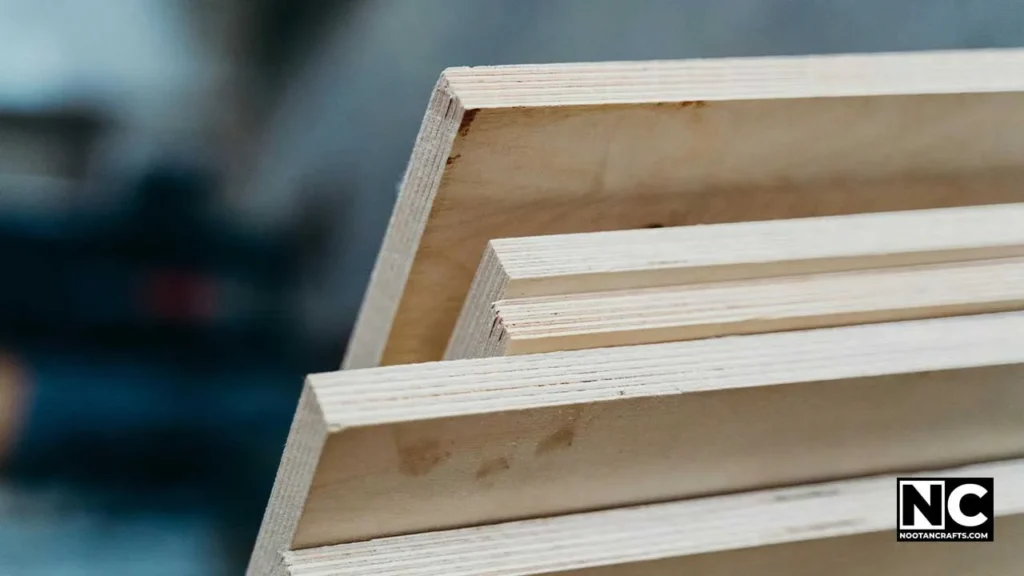
Structural plywood is certified and manufactured for load-bearing use. It’s made the same way as any plywood — layers of veneer glued cross-grain — but the adhesive is weather-resistant, and the sheet is tested and graded before it’s sold as structural.
- AdhesiveA-bond phenol-formaldehyde resin, survives wet, heat, and cold
- CertificationIS 10701 in India; check your own country’s standard
- Strength gradesF14, F17 and up — higher number, stronger sheet
- Typical useRoofing, flooring, walls, beams, external cladding
The certification is the part that matters commercially. A sheet without it may be perfectly strong, but you can’t rely on it for anything that has to pass inspection — and you have no way to verify what glue is holding it together. Certification standards vary by country, so check what applies where you are: IS 10701 is the Indian standard.
What Is Non-Structural Plywood?
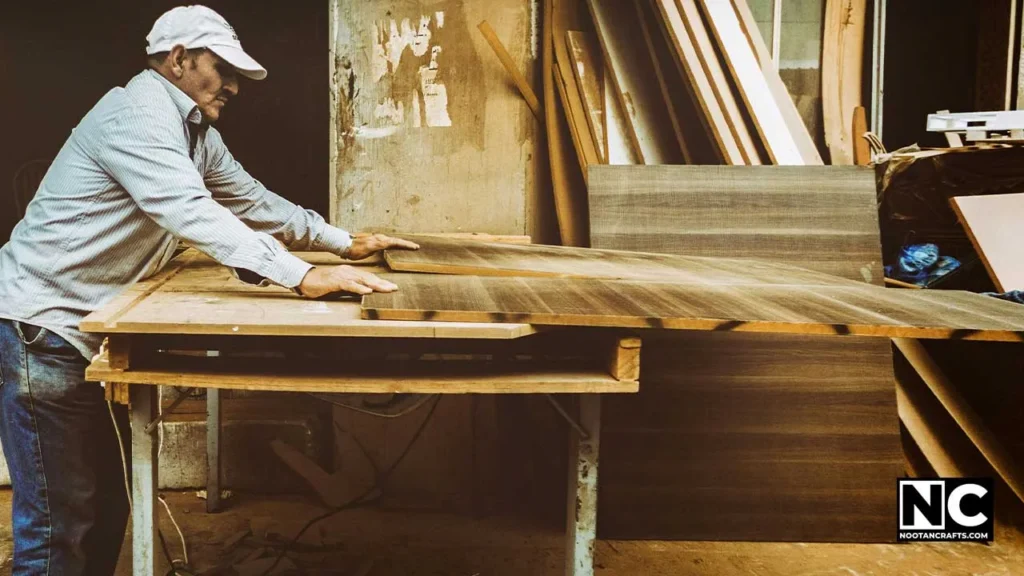
Non-structural plywood is built for appearance, not strength. Same wood veneer layers, but the adhesive is weaker and not weather-resistant, and the sheet carries no structural certification.
- FocusSurface quality and finish, not load capacity
- AdhesiveInterior-grade, breaks down with moisture
- CostNoticeably cheaper than structural
- Common gradesC-D for hidden work, laminated for furniture
Used correctly it’s the better buy for indoor furniture — it takes a smoother finish and you’re not paying for strength you’ll never use. Used wrongly, in a beam or anywhere damp, it fails at the glue line rather than the wood.
Non-structural plywood in a load-bearing position fails at the glue line, without warning
Plywood doesn’t sag gradually the way a solid board does. When interior-grade adhesive lets go — usually after moisture gets into it — the layers separate and the sheet loses most of its strength at once. That’s the failure mode behind collapsed shelving and soft spots in floors.
- Never substitute non-structural in framing, flooring, or roofing. Cost saving is small; the failure is not.
- Check the stamp, not the look. A clean, thick non-structural sheet can look stronger than a rough structural one. Appearance tells you nothing about the adhesive.
- Treat humid rooms as wet. Bathrooms and under-sink cabinets don’t need standing water to degrade interior glue over a few years.
- Cutting either one releases formaldehyde dust. Structural plywood uses phenol-formaldehyde resin specifically. Mask on, cut outdoors or with extraction.
The Differences That Matter
| Feature | Structural Plywood | Non-Structural Plywood |
|---|---|---|
| Load-bearing | Designed for weight and high-stress areas | Not suitable for load-bearing use |
| Adhesive | A-bond, weather-resistant | Interior-grade, degrades when wet |
| Strength | High, graded F14 and above | Lower, no strength grading |
| Certification | Certified and stamped | None for structural use |
| Typical use | Roofing, flooring, walls, beams, outdoors | Furniture, cabinetry, interior paneling |
| Cost | Higher | More affordable |
| Outdoors | Yes | No |
When to Use Structural Plywood
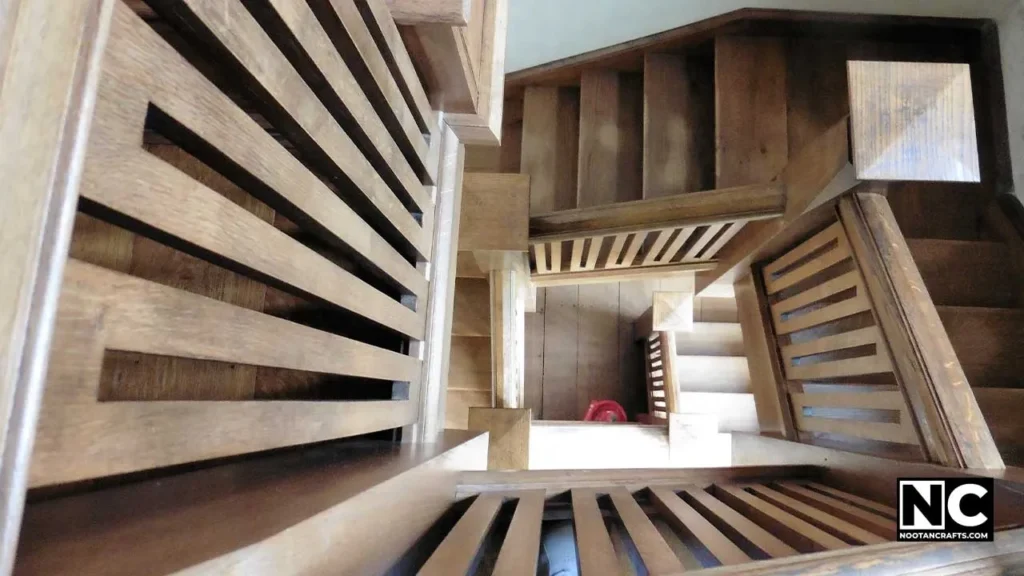
Anything load-bearing or exposed to weather.
- Roofing — forms the solid deck under tiles, and carries insulation, snow, and anyone working up there.
- Flooring — a subfloor supports furniture and people, and has to tolerate the house shifting and settling over years.
- Walls — sheathing provides bracing strength, which is a structural job even though it’s hidden.
- Outdoor projects — sheds and decking, where the weather-resistant adhesive is doing the real work.
When to Use Non-Structural Plywood
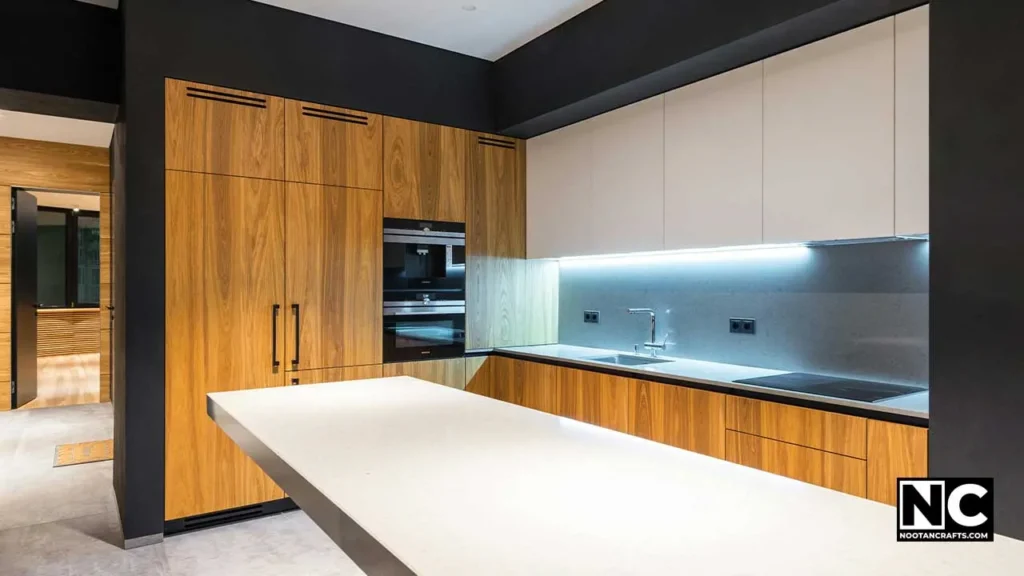
Indoor, decorative, light-duty work where strength isn’t the constraint.
- Furniture — bookshelves, cabinets, desks. Take the saving and spend it on a better face veneer.
- Interior paneling — purely decorative, no load at all.
- Cabinetry — as long as it’s a dry room. Kitchen and bathroom carcasses are the exception worth paying up for.
If you’re weighing plywood against a laminate board rather than against another plywood grade, that’s a different comparison — see plywood vs melamine.
Common Questions
Can non-structural plywood be used outdoors?
No. The interior-grade adhesive breaks down with moisture and temperature swings, and the layers delaminate. Even under a covered porch it will fail faster than you’d expect.
How can I tell if plywood is structural or non-structural?
Look for a certification stamp on the sheet — IS 10701 in India, or your country’s equivalent. Structural sheets are marked; non-structural ones aren’t. Thickness and appearance tell you nothing, since the difference is in the glue.
Is structural plywood waterproof?
Water-resistant, not waterproof. The A-bond adhesive survives rain and damp, but for genuine submersion or constant exposure you want marine-grade plywood specifically.
Which is more expensive?
Structural, because of the higher-grade adhesive, the testing, and the certification. The gap is usually modest per sheet — small enough that on any load-bearing job it isn’t worth economizing on.
Can I use structural plywood for furniture?
Yes, and it’s a reasonable choice for heavy shelving or a workbench. The trade-off is a rougher face and higher cost — for furniture where the surface shows, non-structural takes a finish better.
What do F14 and F17 mean?
They’re stress grades indicating the sheet’s structural strength. A higher number means a stiffer, stronger sheet. Which grade you need is set by span and load, so check the specification for your job rather than defaulting to the highest.
Choosing Between Them
Ask two questions before you buy: will this carry weight, and will it ever get wet? A yes to either means structural, and means checking for the stamp rather than trusting how the sheet looks. A no to both means non-structural, and the money saved is better spent on the face you’ll actually see.