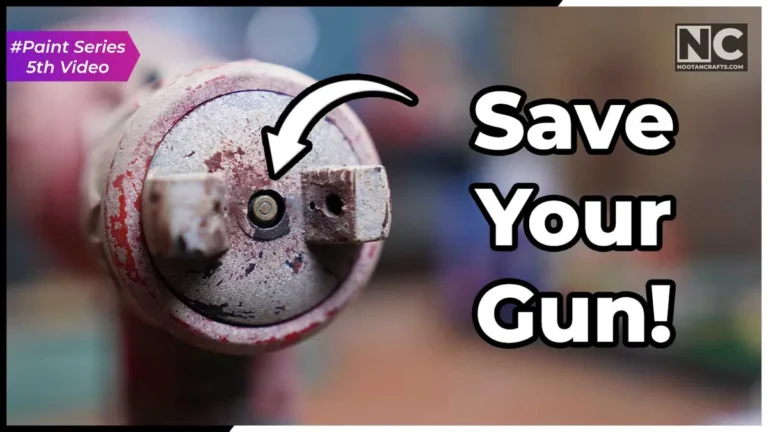
Clean a spray gun right after every use, not “later” — empty the paint cup, run the matching cleaning solution through the whole gun until it sprays clear, then scrub the nozzle and needle by hand before anything dries. Dried paint is what turns a five-minute job into a stuck, disassembled gun on your workbench.
The word doing the work in that paragraph is matching. Warm water on oil-based paint does nothing at all, and lacquer thinner on a gun that just sprayed latex is both unnecessary and hard on the seals. Get the solvent right and the rest of the job is straightforward.
What’s Inside!
Match the Solvent to the Paint
| What you sprayed | Clean with | Watch out for |
|---|---|---|
| Latex, water-based acrylic, water-based poly | Warm water and a little soap | Nothing stronger. Solvent on a water-based job is needless wear on the seals |
| Oil-based paint and enamel | Mineral spirits | Water will not touch it. Don’t waste time trying |
| Lacquer | Lacquer thinner | Flammable, and harsh on skin and lungs. Ventilation and gloves |
| Solvent-borne acrylic | Acetone or lacquer thinner | Flammable. Also attacks some plastics, so keep it off the cup if yours is plastic |
| Shellac | Denatured alcohol | Shellac redissolves easily, so this one is forgiving |
| Two-part and specialty finishes | Whatever the can says | Read the product’s own data sheet. Guessing with these is expensive |
The general rule: whatever thins the paint will clean the paint. If you thinned the finish before spraying it, you already have the right solvent open on the bench.
- The matching solvent from the table above
- Paper towels or clean rags
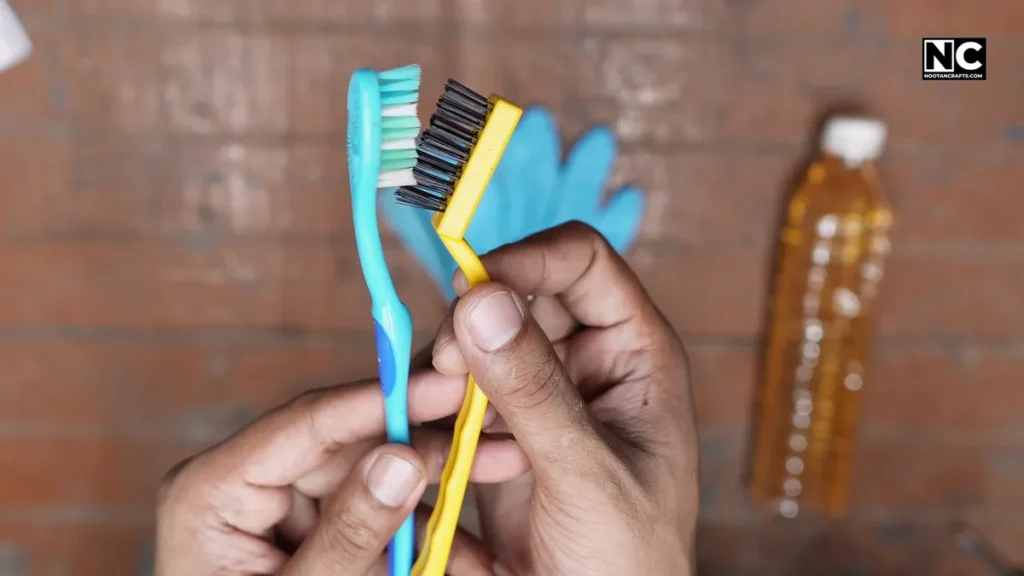
- A soft cleaning brush set, or an old toothbrush
- Pipe cleaners or wooden toothpicks for the small holes
- Gun disassembly wrench, if your model came with one
- Solvent-resistant gloves and a metal can with a lid for used solvent
Solvent cleaning is the part of spraying that catches fire
Lacquer thinner and acetone are both flammable and both harmful to breathe. The cleaning step usually happens indoors, at the end of the day, when the ventilation has been switched off — which is exactly the wrong combination.
- Ventilate, and keep ignition sources away. No pilot lights, no space heaters, no smoking. Solvent vapor is heavier than air and travels along the floor.
- Gloves that actually resist solvent. Thin latex gloves dissolve in lacquer thinner. Nitrile holds up better.
- Never pour solvent down a drain. Collect used solvent in a sealed metal can and take it to household hazardous waste.
- Solvent rags can self-heat. Lay them flat to dry outdoors or store them in a sealed metal container. A bundled pile of oily rags is a real fire risk, not a theoretical one.
How to Clean a Spray Gun After Use — Video
Cleaning a Spray Gun, Step by Step
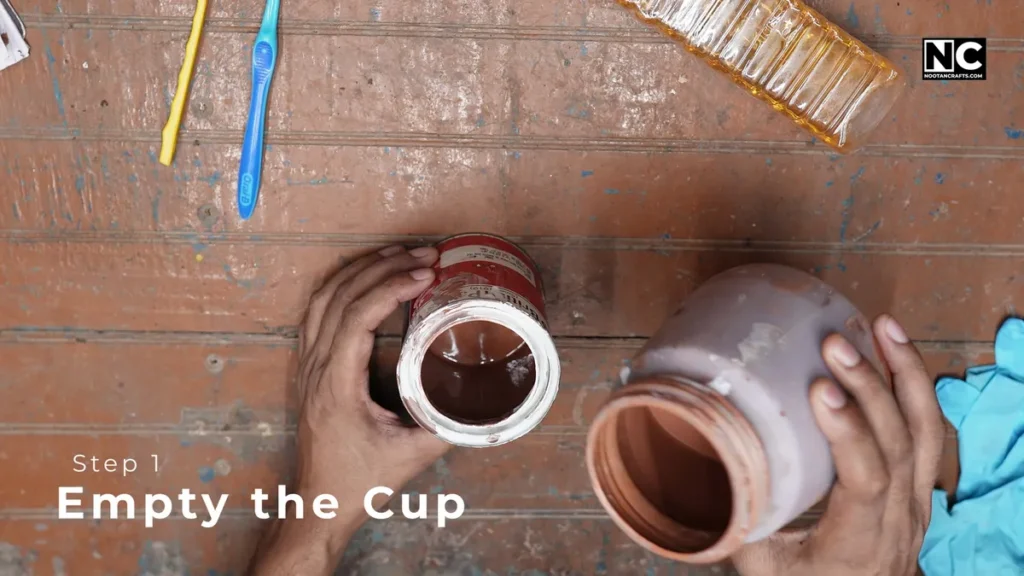
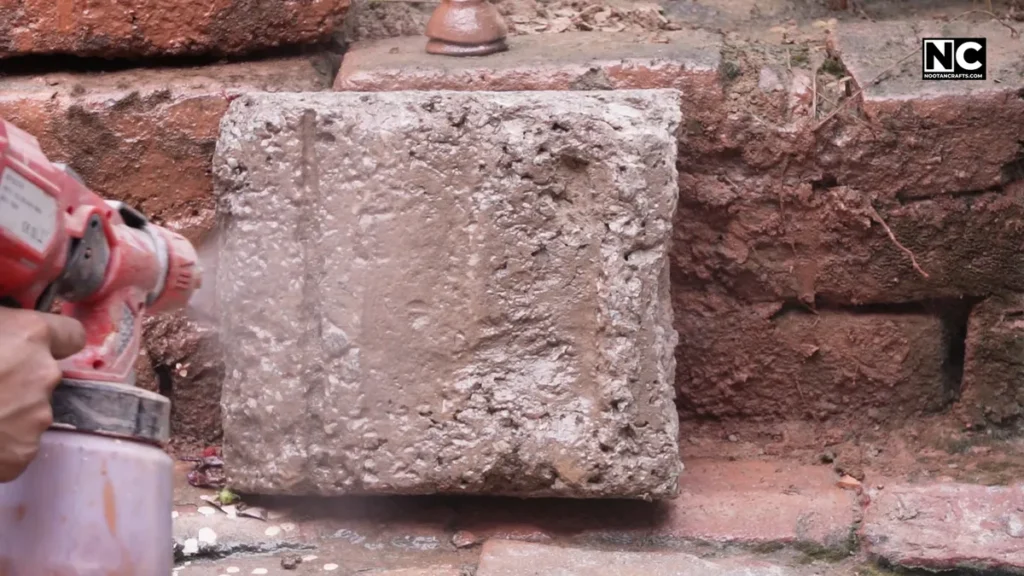
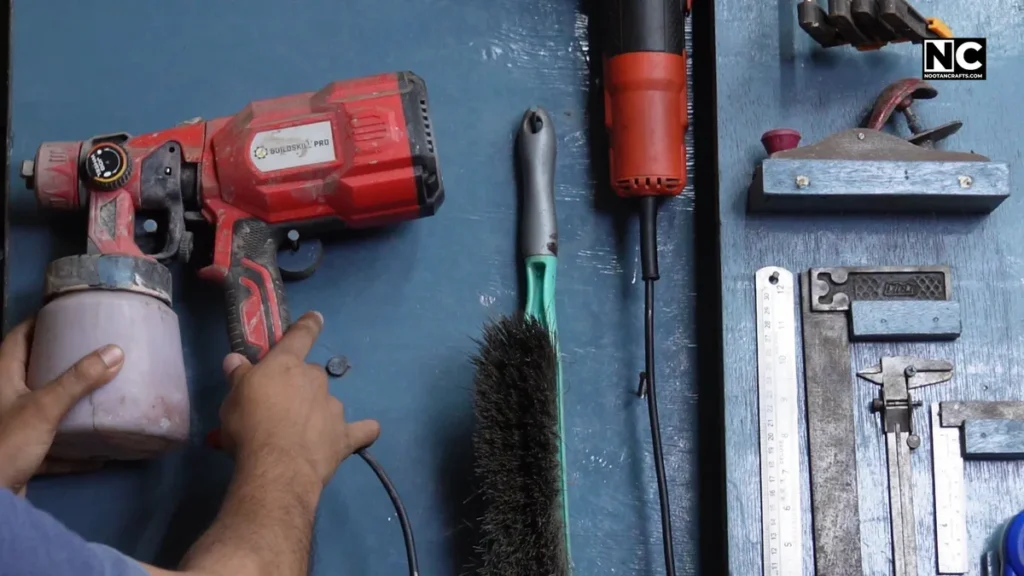
- Empty the cup. Pour out any leftover paint right away. Paint left sitting thickens fast, and thick paint is far harder to clean out than fresh paint. Strain it back into the can if it’s worth keeping.
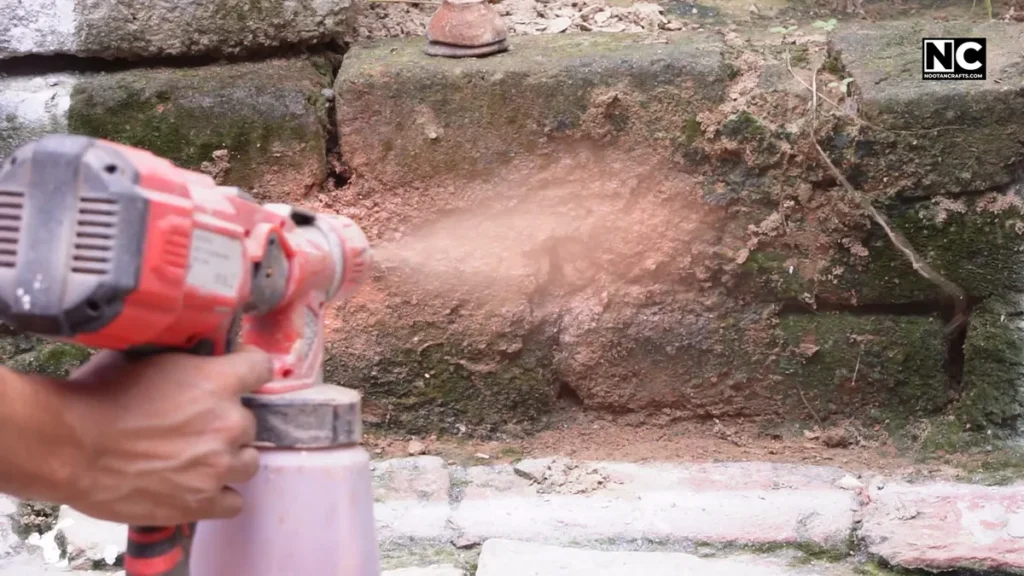
- Rinse the paint cup. Fill it about halfway with the matching solvent, shake and swirl until the residue lifts, then reattach the cup and pull the trigger to run the solvent through the tube, the passage, and the nozzle.
- Flush until it runs clear. One cup of solvent rarely does it. Dump, refill, repeat until what comes out is as clean as what went in.
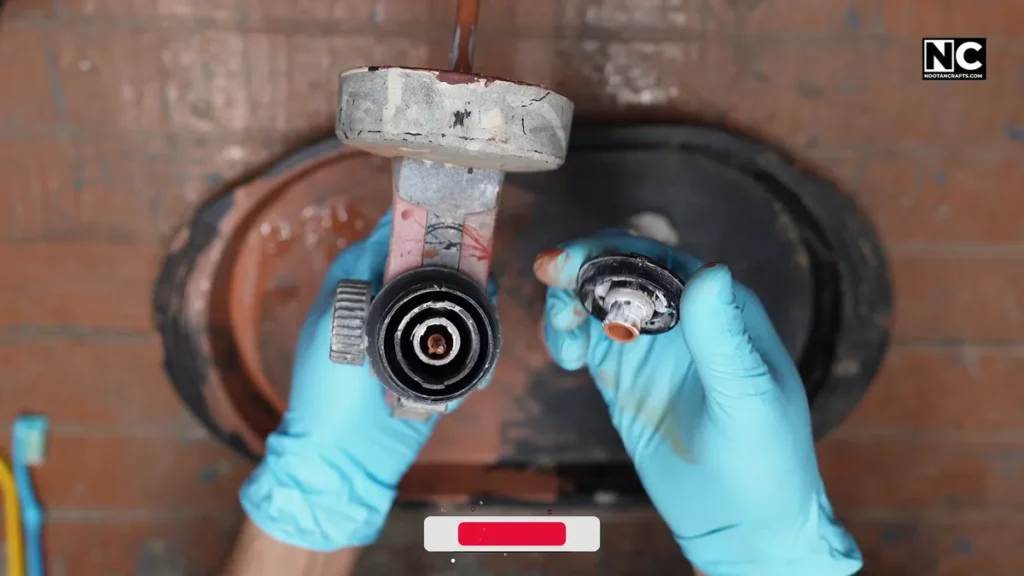
- Disassemble. Take off the cup, the air cap, the fluid nozzle, and the needle so you can reach every surface the paint touched. Check the manual before forcing anything — the needle usually comes out backward, through the trigger end.
- Soak the small parts, not the gun. Drop the nozzle, needle, and air cap into a jar of solvent. Never submerge the whole gun: the body holds seals, O-rings and packings that a long solvent bath dries out and hardens, and that leak later.
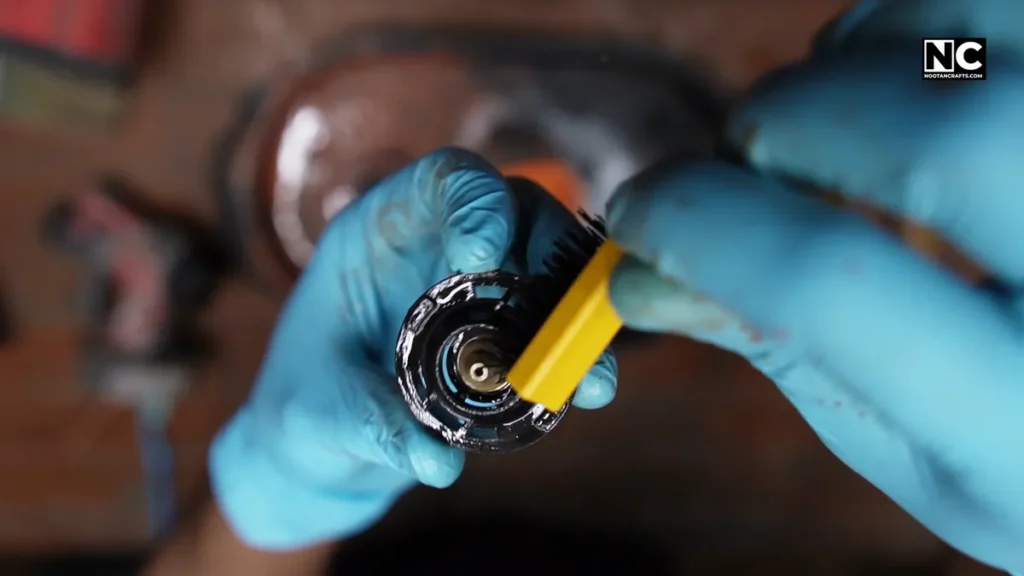
- Clean the air cap holes too. Everyone cleans the fluid nozzle and forgets the little air holes ringing the cap. Those set your spray pattern, and a blocked one gives you a lopsided fan that no amount of adjustment will fix.
- Scrub with soft tools only. A soft brush on the body, a pipe cleaner or wooden toothpick in the holes. No wire brush, no metal pick, and never a drill bit — the orifice is machined to a size, and opening it out by a hair changes the spray pattern for good.
- Do a final flush. Reassemble with fresh solvent and spray a test pattern onto scrap. A clear mist means it’s clean; any tint or fogging means go again.
- Dry, lubricate, store upright. Let every part dry fully. Put a drop of gun lubricant on the needle shaft, keeping it off the needle’s front end and out of the air passages, where it will end up in your next finish. Store the gun upright in a dry spot.
When the Paint Has Already Dried
You forgot, or the job ran late, and now there’s hardened paint in the gun. It’s usually recoverable, but it is a repair rather than a clean, and patience beats force at every step.
- Strip it down completely. Every part that comes off, comes off.
- Soak the metal parts overnight in the matching solvent. Lacquer thinner will soften most dried paints even if the finish was something else — this is the one time to reach for a stronger solvent than the paint called for.
- Leave the seals out of it. Any rubber or plastic part comes out before the soak. That’s what a long solvent bath destroys.
- Work it loose with soft tools. Brush, pipe cleaner, toothpick. Resoak rather than scrape harder.
- Check the orifice against the light before reassembling. A clear, round hole means you’re done. An oval one means someone got impatient with a metal tool, and that part needs replacing.
The nozzle and needle are a matched pair. If one is damaged, replace both together. A new needle seating against a worn nozzle drips, and you’ll spend an afternoon chasing a spray fault that came out of the repair.
What I’d buy for this job

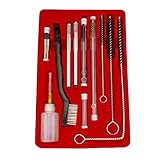


Last update on 2026-10-25 / Affiliate links / Images from Amazon Product Advertising API
Spray Gun Cleaning Questions People Actually Ask
Can I clean a spray gun without taking it apart?
You can run a quick flush without disassembly, and between coats of the same paint that’s fine. A real clean — the kind that gets old paint out of the nozzle, the needle, and the air cap holes — needs at least a partial strip-down.
Can I soak the whole gun in solvent overnight?
No. It’s the most common way people wreck a gun while trying to look after it. The body contains seals, O-rings and needle packing that a long solvent soak dries out and hardens. Take the small metal parts off and soak those instead.
What solvent should I use?
Whatever thins the paint you sprayed. Water and a little soap for water-based, mineral spirits for oil-based, lacquer thinner for lacquer, denatured alcohol for shellac. The table above covers the rest.
How often does the gun actually need cleaning?
Every time you use it. Paint left in a gun overnight hardens in the nozzle and the needle, which are the hardest places to reach and the most expensive to replace.
Can dried paint be removed from a spray gun?
Usually, with an overnight soak and patience. Take the rubber and plastic parts out before you soak, and check the orifice is still round afterward — that’s the part that doesn’t survive impatience.
Should I lubricate the gun after cleaning?
A drop on the needle shaft stops it sticking. Keep it off the needle’s front end and out of the air passages — anything in there ends up sprayed onto your next piece of work.
My spray pattern is lopsided after cleaning. What did I do?
Almost always a blocked hole in the air cap, or the cap seated slightly off. Take it off, hold it up to the light, and check every hole is open. If the pattern is still uneven with a clear cap, look at the orifice for damage from a metal tool.
What do I do with the used solvent?
Let it stand in a sealed jar until the paint solids settle, then pour off the clear solvent and reuse it for the first rinse next time. The sludge goes to household hazardous waste. Not down the drain, and not in the regular trash.
A clean gun is the difference between a smooth, even coat next time and a jammed trigger and a ruined project. It’s a five-minute habit that saves hours of troubleshooting later — and it’s the honest reason a brush still wins some jobs, which is the argument in paint brush vs roller vs spray. For the rest of the spraying process, from setup to technique, the full HVLP spray gun guide covers it.