An angle grinder is a handheld motor that spins an abrasive disc at right angles to its shaft, and the disc you fit decides what it is that day — a metal saw, a rust stripper, a tile cutter, a sander, a polisher. That is the whole idea. Nothing else in a home workshop changes job that completely for the price of an accessory.
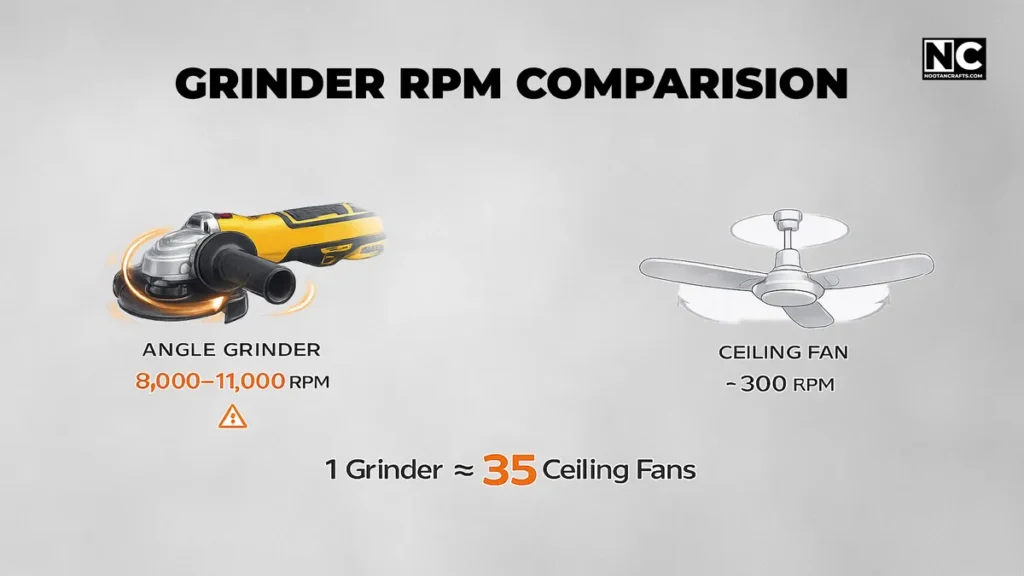
It is also the tool most likely to hurt you, and not because it is unpredictable. It hurts people because it is easy to start, and the disc turns about thirty-five times faster than a ceiling fan. Everything below is the order I would teach it in: what the tool is, what each disc does, the safety rules with a mechanism behind them rather than a slogan, and then how to cut and grind without the tool fighting you.
What I’d buy for this job


Last update on 2026-10-23 / Affiliate links / Images from Amazon Product Advertising API
What’s Inside!
Angle Grinder vs Every Other “Grinder”
“Grinder” on its own means four different machines, and people arrive here having been told to buy the wrong one. The short version: an angle grinder is the portable one you bring to the work. A bench grinder is the fixed one you bring the work to. A die grinder is the small one for detail. An angle grinder is the only one of the three that will cut through something.
| Tool | What it actually is | Buy it when |
|---|---|---|
| Angle grinder | Handheld, 100-230 mm (4-9 in) disc at 90 degrees to the motor. Cuts, grinds, sands, strips, polishes | First. It is the one that does everything, and the one this whole section of the site is about |
| Bench grinder | Fixed to a bench, two stone wheels, you hold the work against it | You sharpen chisels, drill bits or mower blades often. It cannot go to the work |
| Die grinder | Small, pencil-shaped, tiny burrs at very high speed | Second, for detail and access. It has no guard and cannot cut section or bar |
| “Grinder” in a hardware shop | Almost always means an angle grinder | If someone says grinder without qualifying it, this is what they mean |
If you are weighing the angle grinder against the small one specifically, that comparison has its own page: angle grinder vs die grinder covers which to buy first and why the die grinder is not the safer option people assume it is.
The Parts That Actually Matter
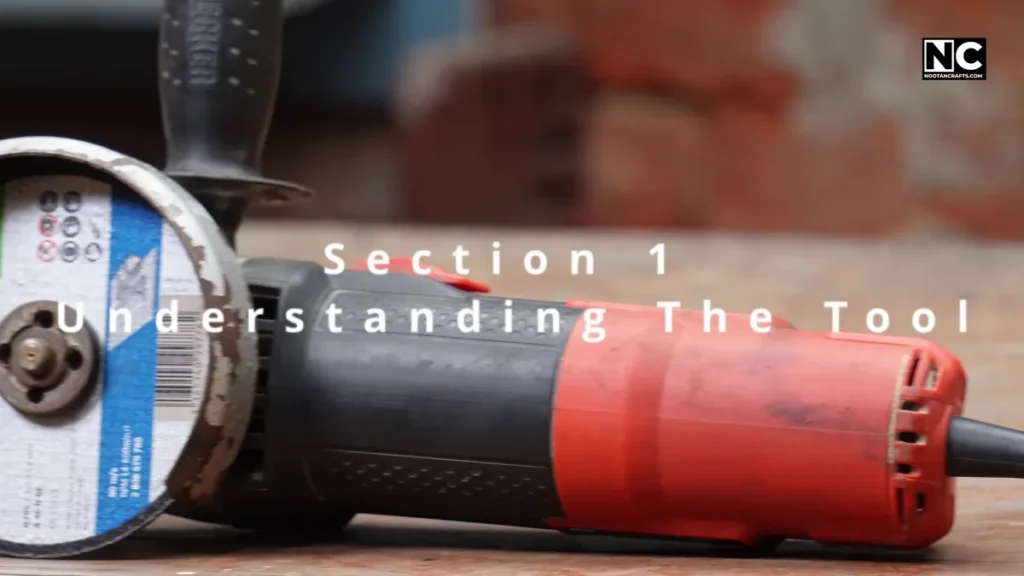
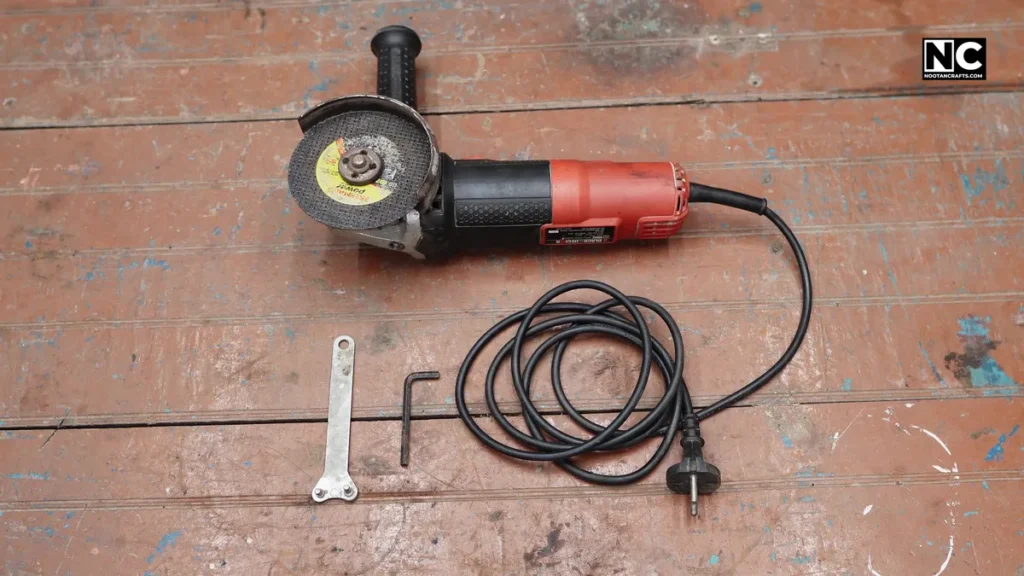
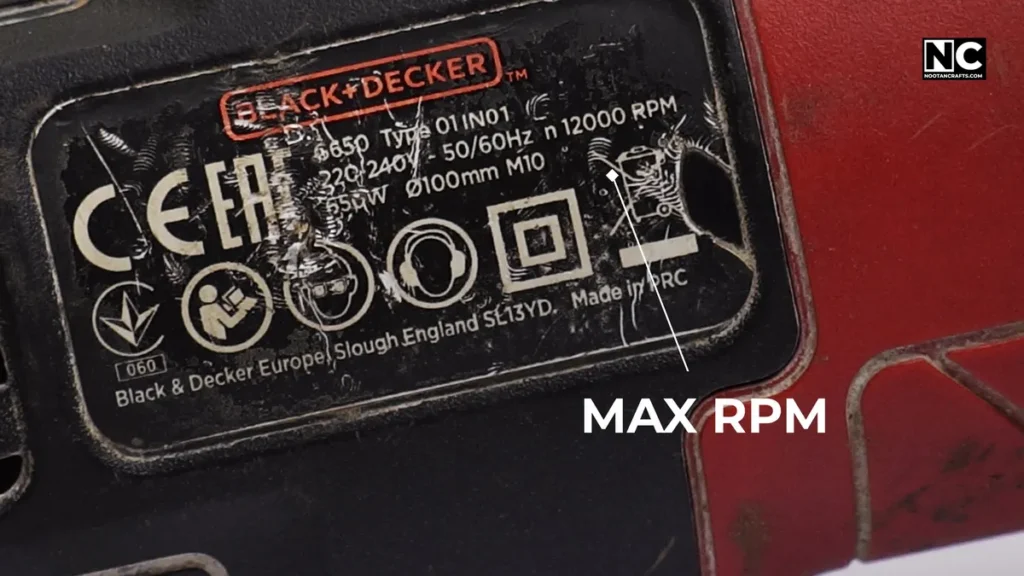
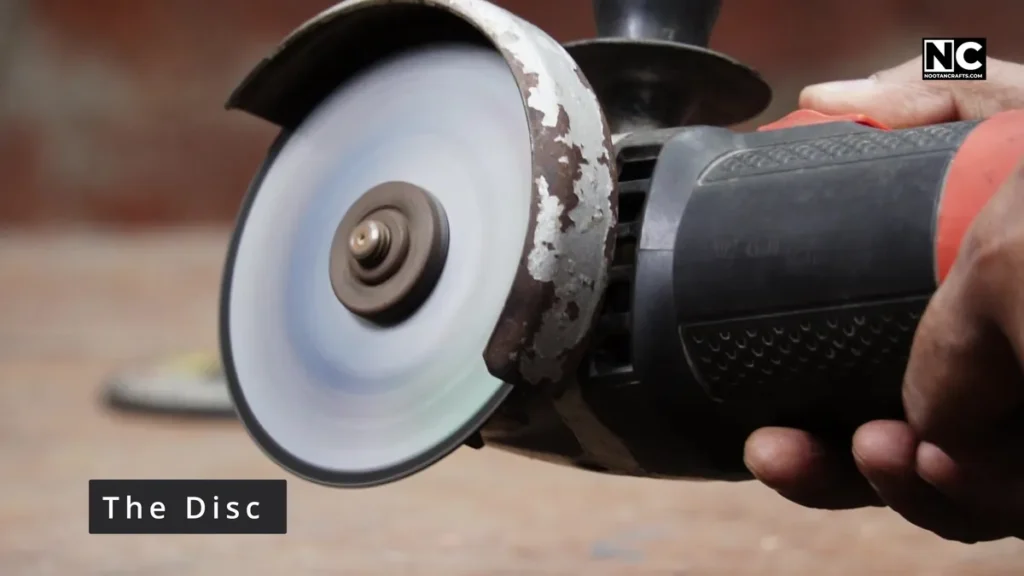
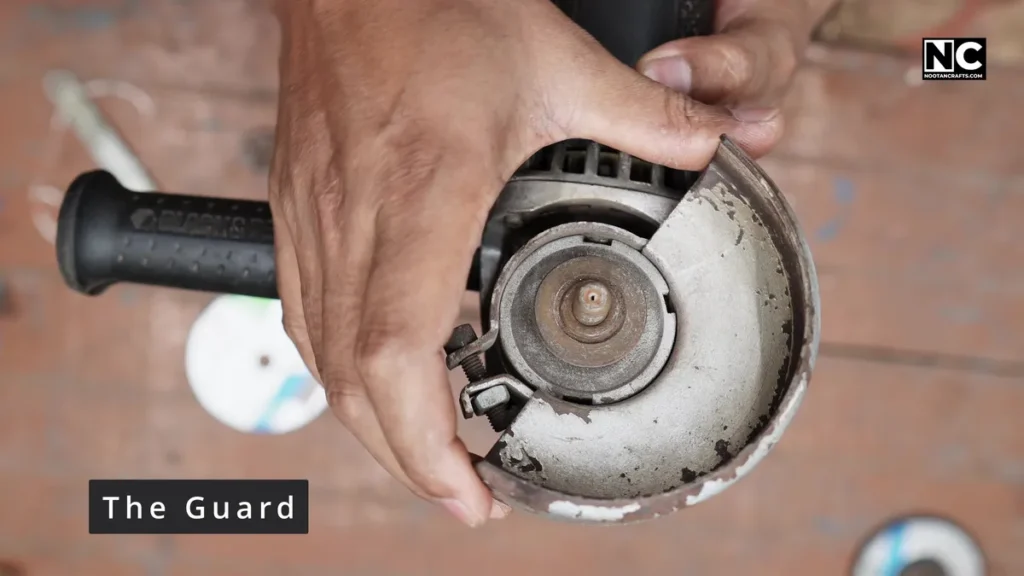
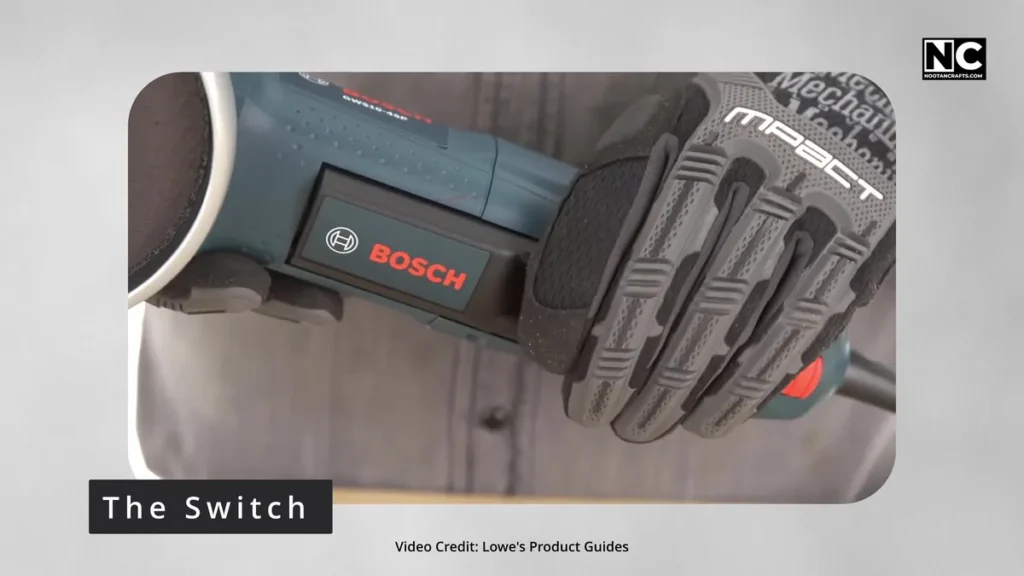
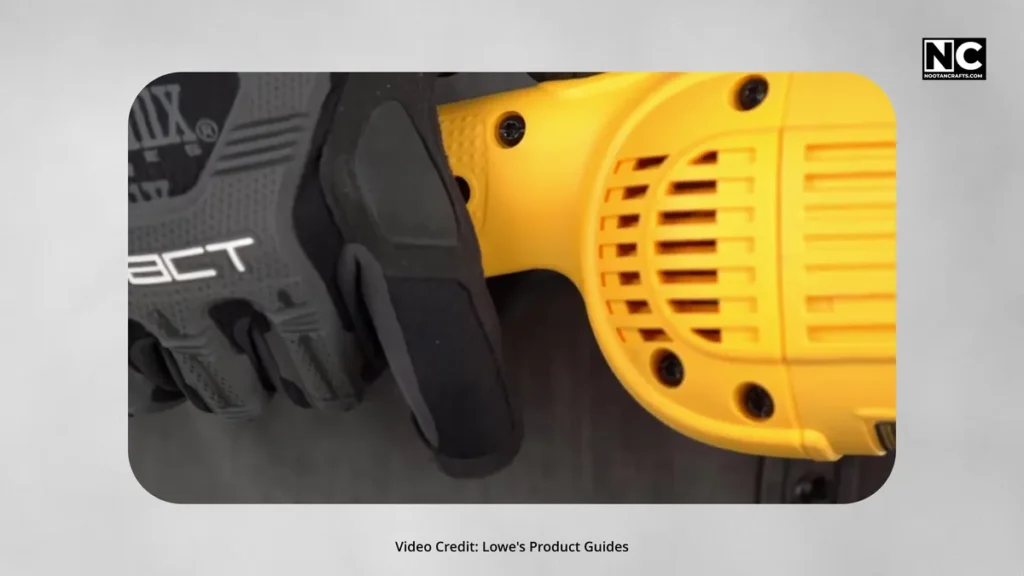
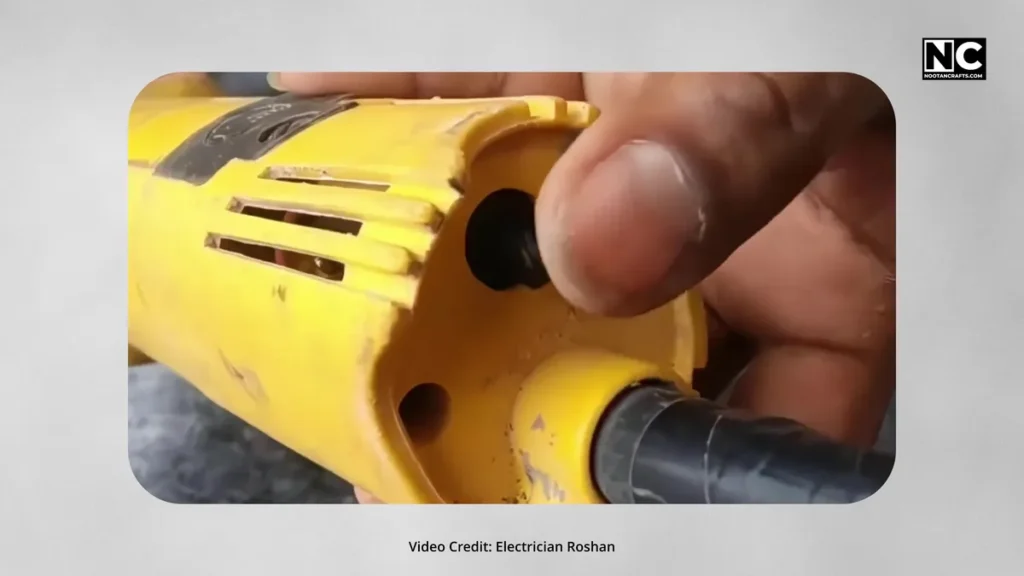
- Disc size100-230 mm (4-9 in); 115 mm (4.5 in) is the one to own first
- SpeedAround 11,000 rpm on a 115 mm machine, nearer 6,500 on a 230 mm
- MotorRoughly 500-2,500 W depending on disc size
- GripTwo hands, always, with the side handle fitted
The speed is the number to hold onto. A ceiling fan at full tilt runs around 300 rpm. A 115 mm grinder free-spins at roughly eleven thousand. Every rule further down this page exists because of that one figure.
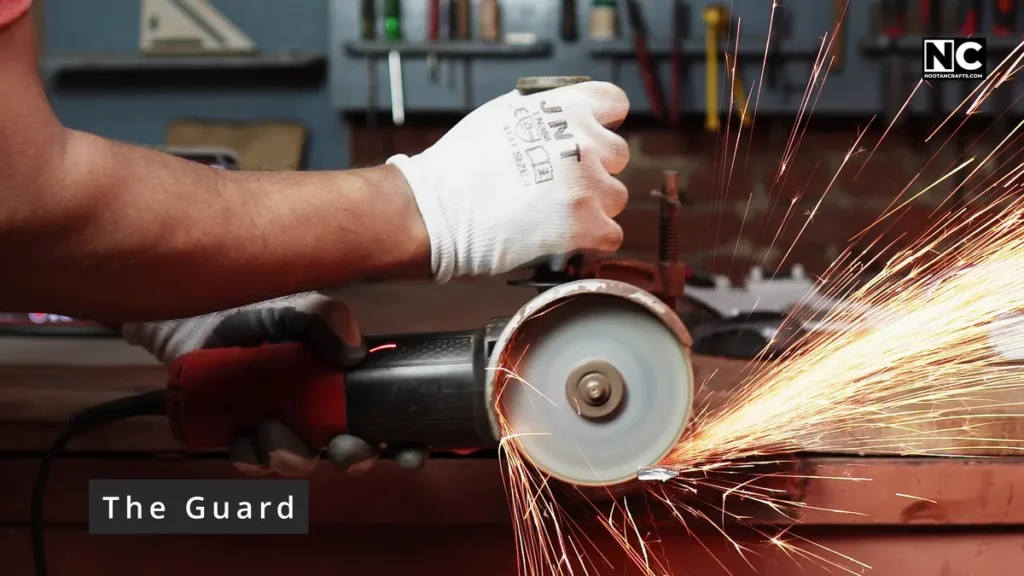
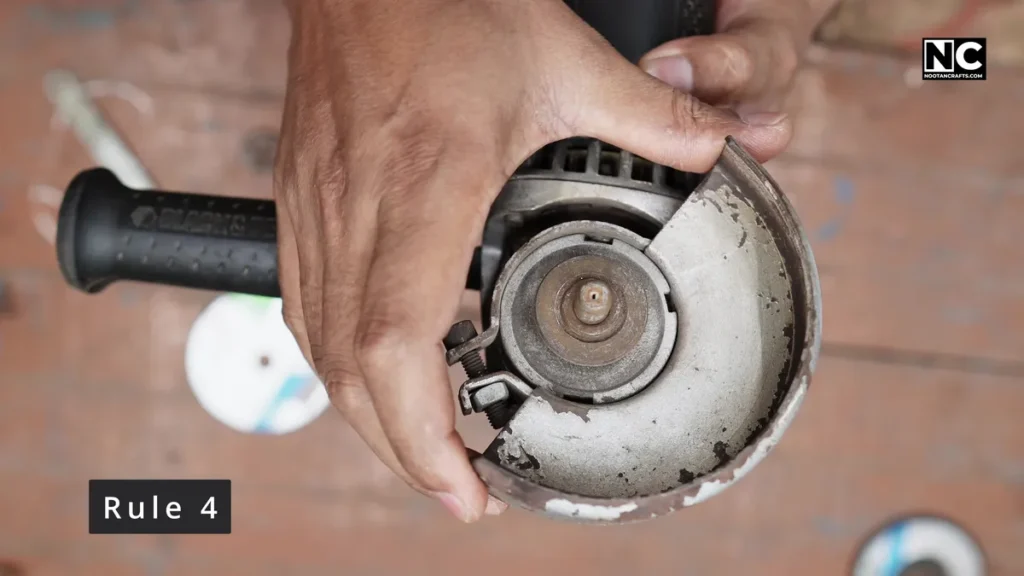
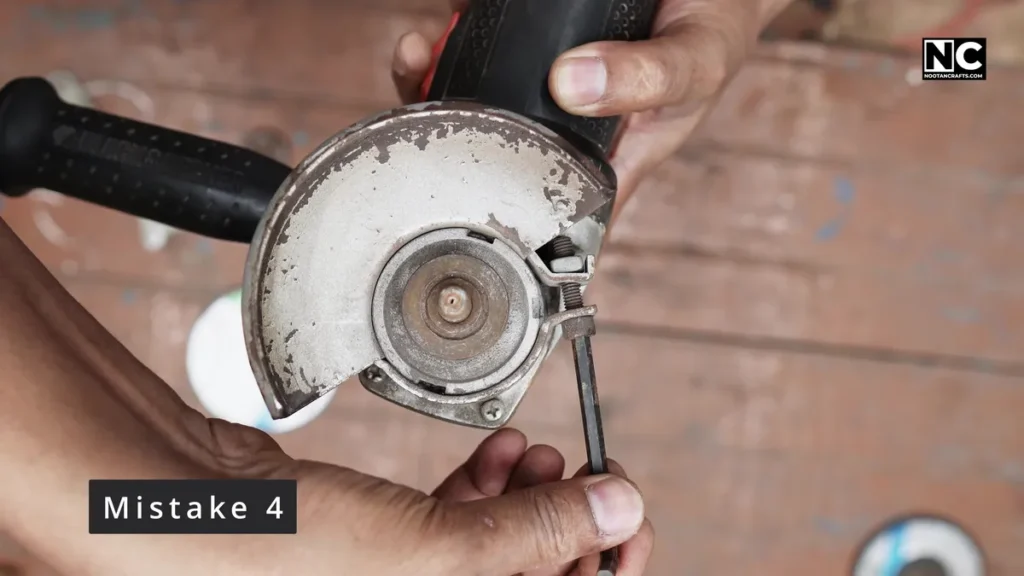
- The guard. Not optional, and not a matter of preference. It sits between the disc and you, deflecting disc fragments away rather than into you. People take it off for visibility; those are the same people with the worst injuries.
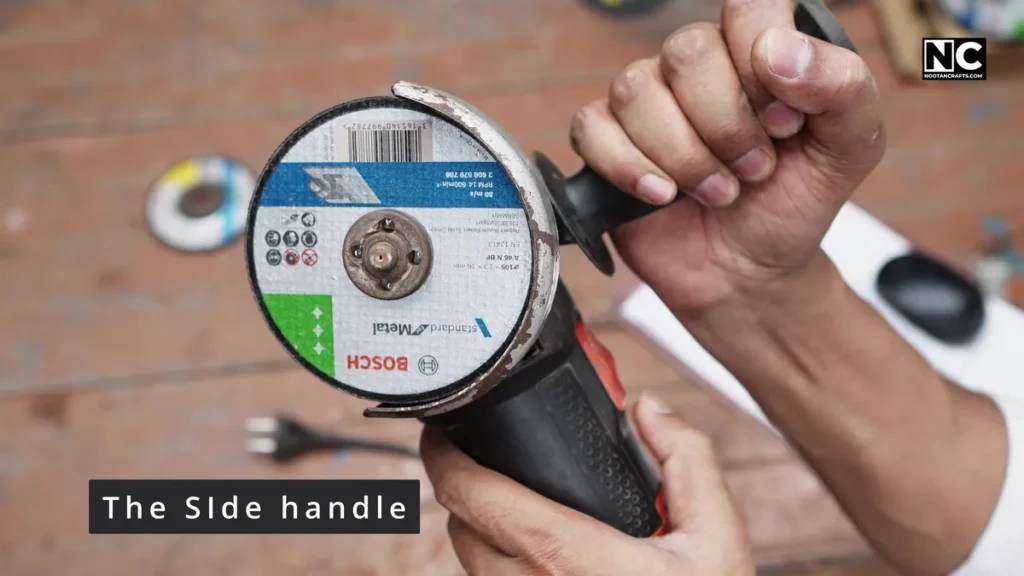
- The side handle. This tool has real torque, and one kickback with one hand on it means the grinder goes wherever it wants. Fit it, use it, both hands, every time.
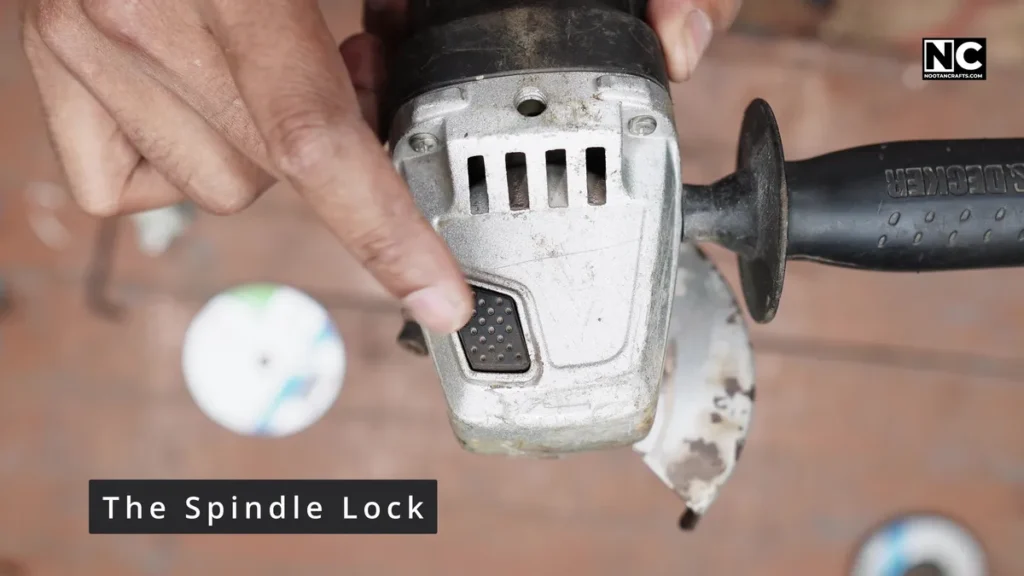
- The spindle lock. For changing discs and nothing else. Never press it while the tool is turning.
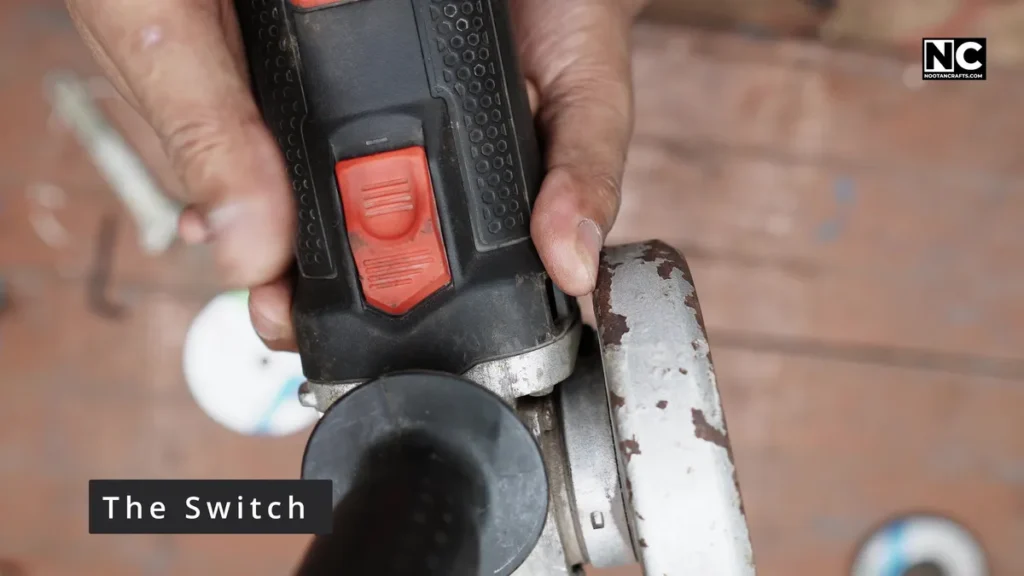
- The switch. A paddle switch is the safest kind — release it, and the power stops. A trigger is a solid second. Avoid a toggle that locks on, because when you most need the tool to stop, it will not.
The guard is a legal requirement, not a suggestion. OSHA’s rule for right-angle and vertical portable grinders sets a maximum wheel exposure of 180 degrees and states the guard “shall be so located so as to be between the operator and the wheel during use” (29 CFR 1910.243(c)).
Which Disc for Which Job
The disc decides the result, the safety, and whether the job is possible at all. The single most common cause of a disc failing is using the wrong disc for the job.
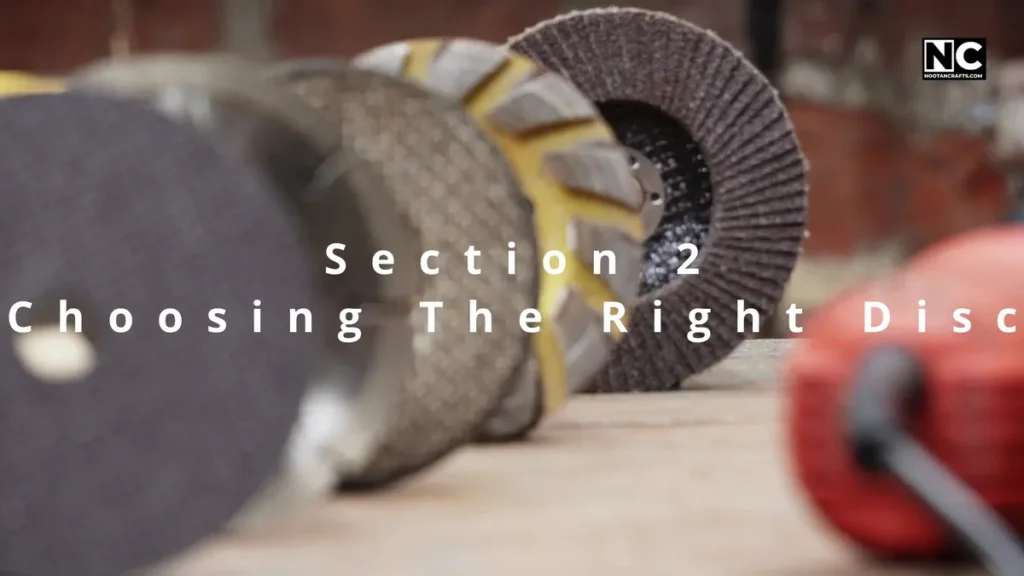
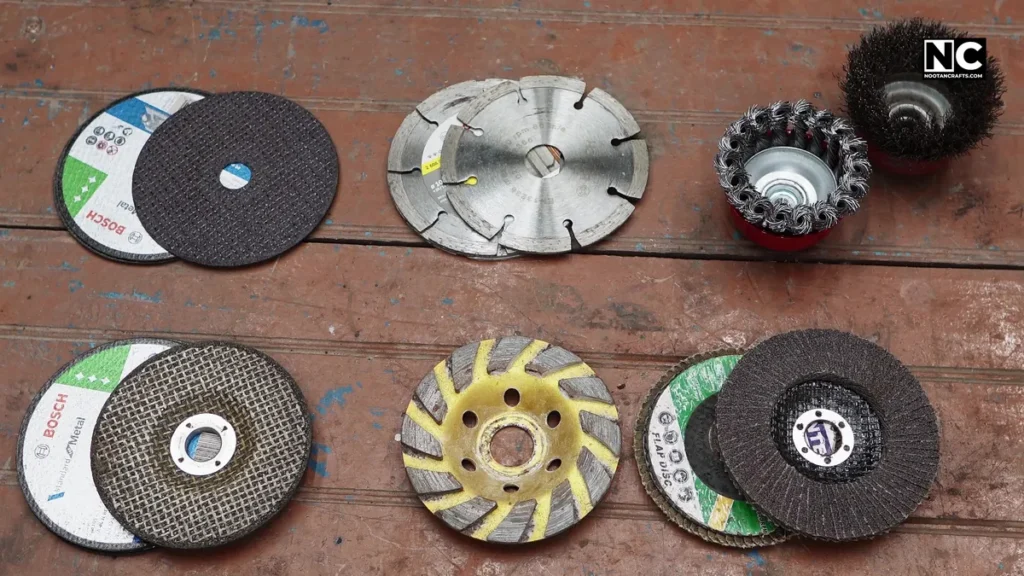
| Disc | What it is for | The warning that matters |
|---|---|---|
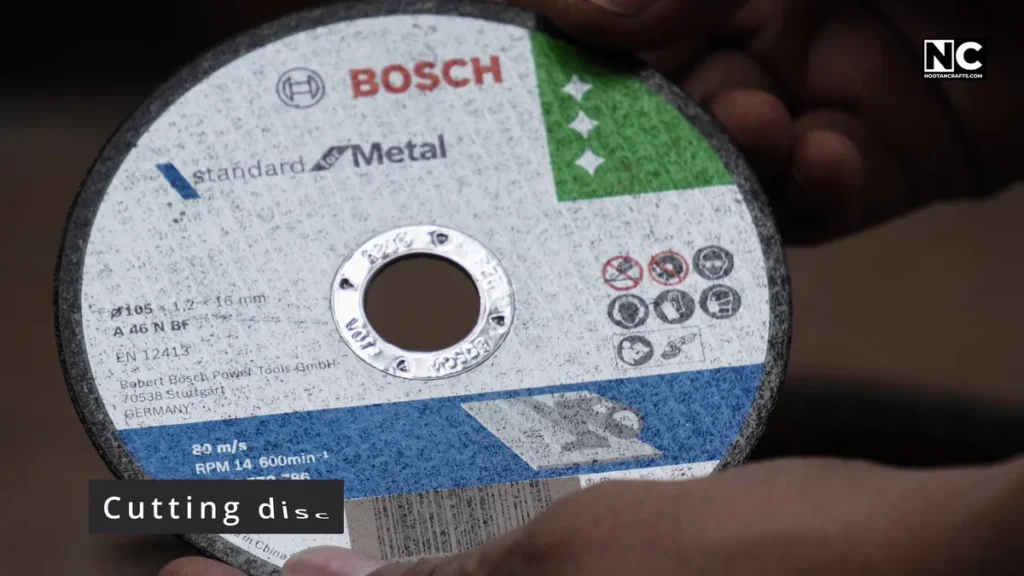
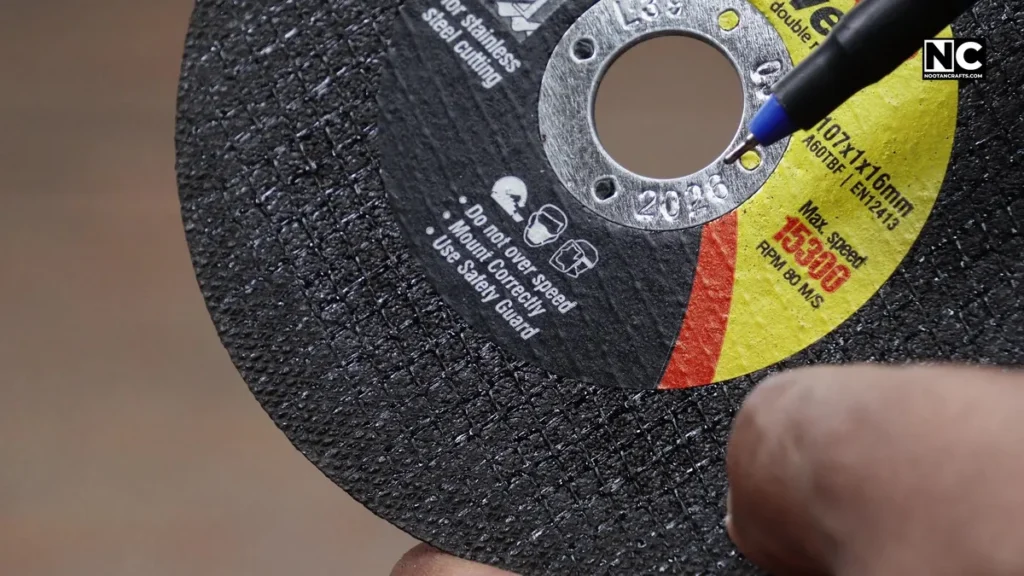
| Cutting disc | Cutting metal. Thin, flat, forward pressure only | Never grind with it. Side pressure on a thin disc is what shatters them |
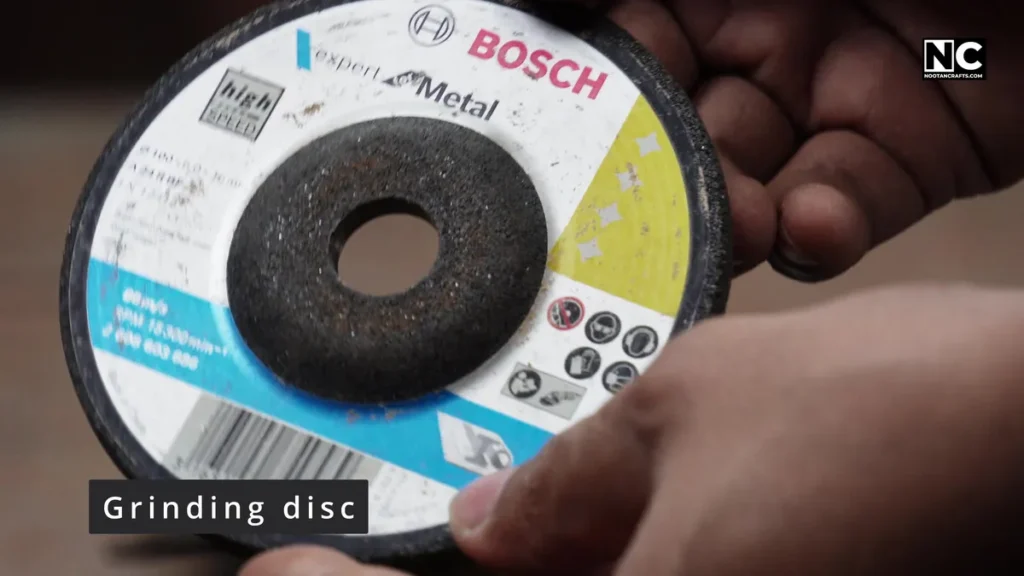
| Grinding disc | Bulk removal, weld beads, shaping steel | Thick and depressed-center, built for the side pressure a cutting disc cannot take |
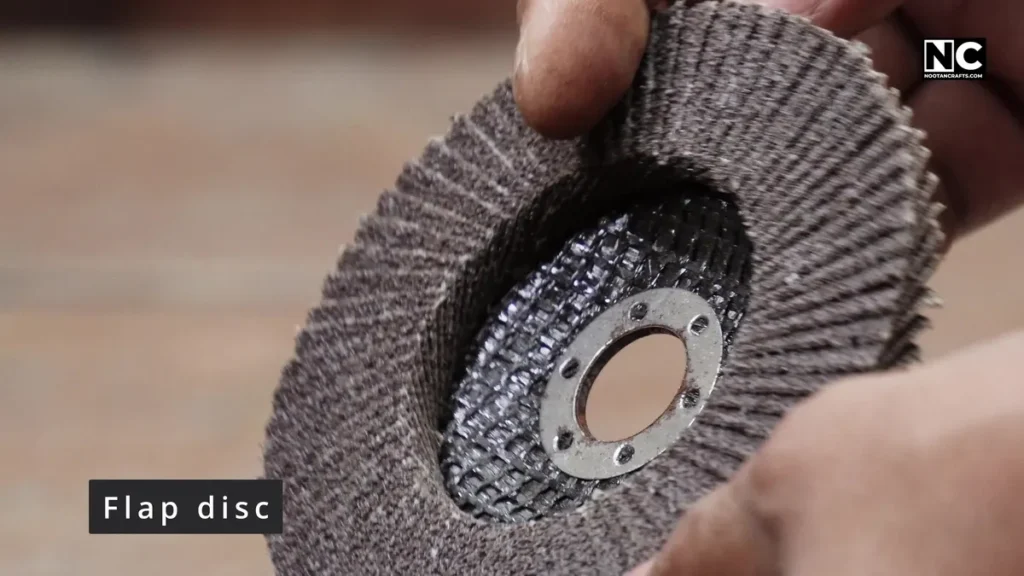
| Flap disc | Blending and finishing after grinding, smoothing welds | Gentler than a grinding disc, but it still removes metal fast enough to gouge |
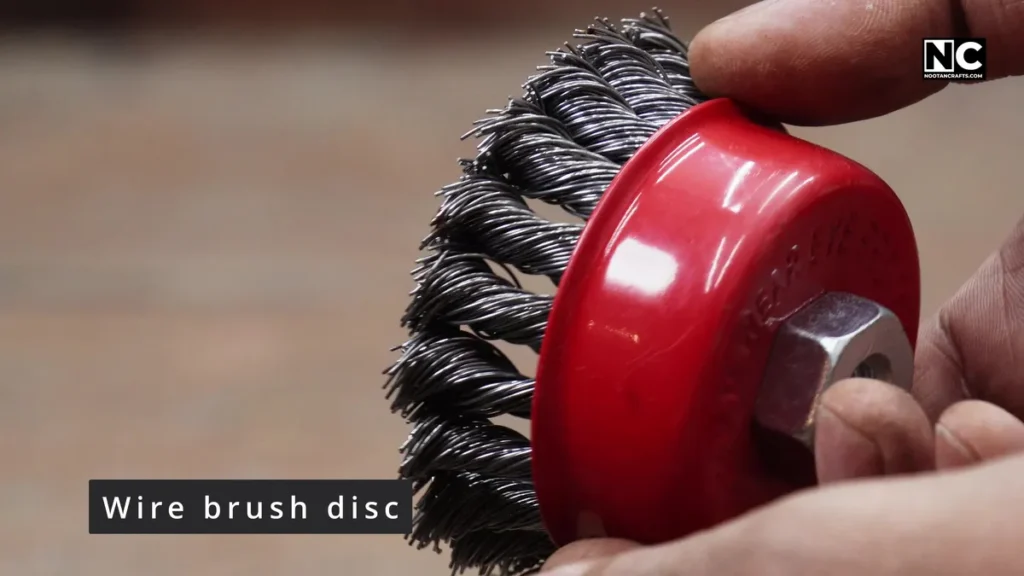
| Wire brush or cup | Rust removal, stripping paint | It throws wires the whole time it is running. Face shield, not just glasses |
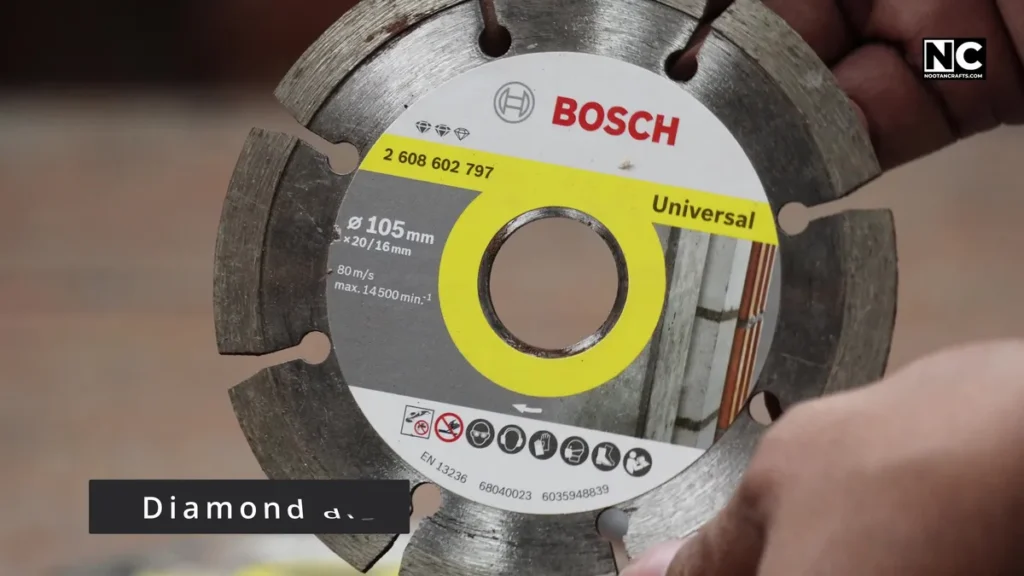
| Diamond disc | Tile, stone, concrete, paving | Not for steel. Dry-cutting masonry also produces silica dust — mask and ventilation |
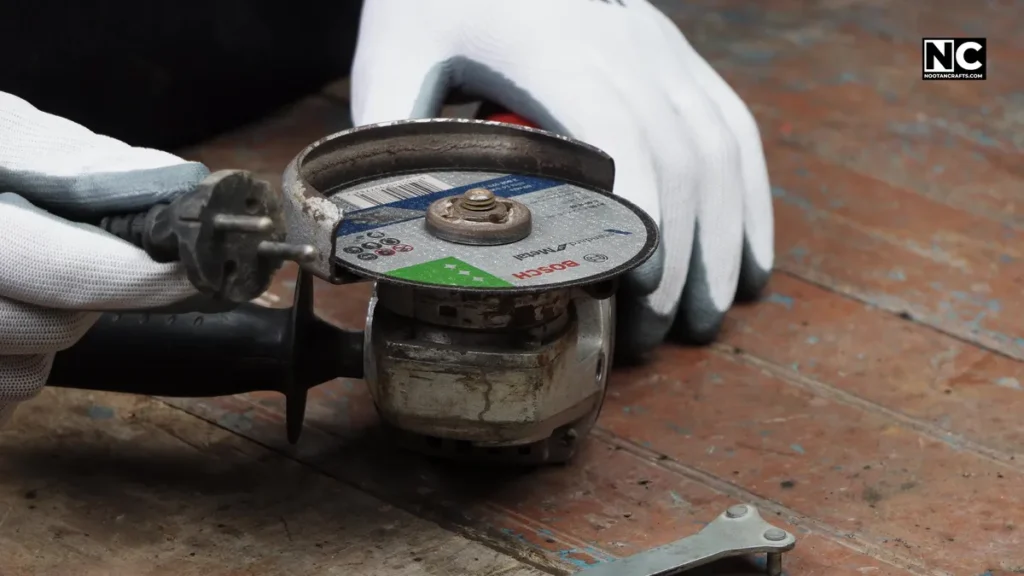
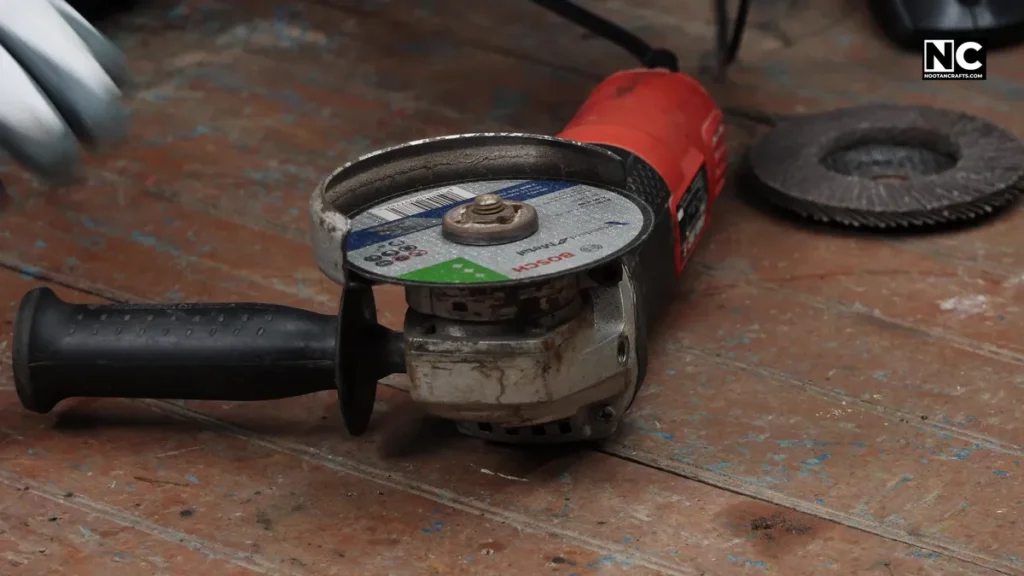
Two things about fitting the disc that beginners get backward. The clamping nut is reversible, and which way round it goes depends on the disc: for a thin cutting disc, the flat face of the nut goes against the disc, so the reinforced center bears evenly on a flat surface. For a depressed-center grinding disc, the nut goes the other way, with its collar seated down into the disc’s dish. The printed label faces outward, so you can still read the disc’s rating without removing it.
Check the disc’s rpm against the tool’s plate. A disc rated below the grinder’s no-load speed can burst in normal use. This matters most when you fit a 115 mm disc bought for one machine onto another — the discs are interchangeable, the ratings are not.
Bonded discs have an expiry date
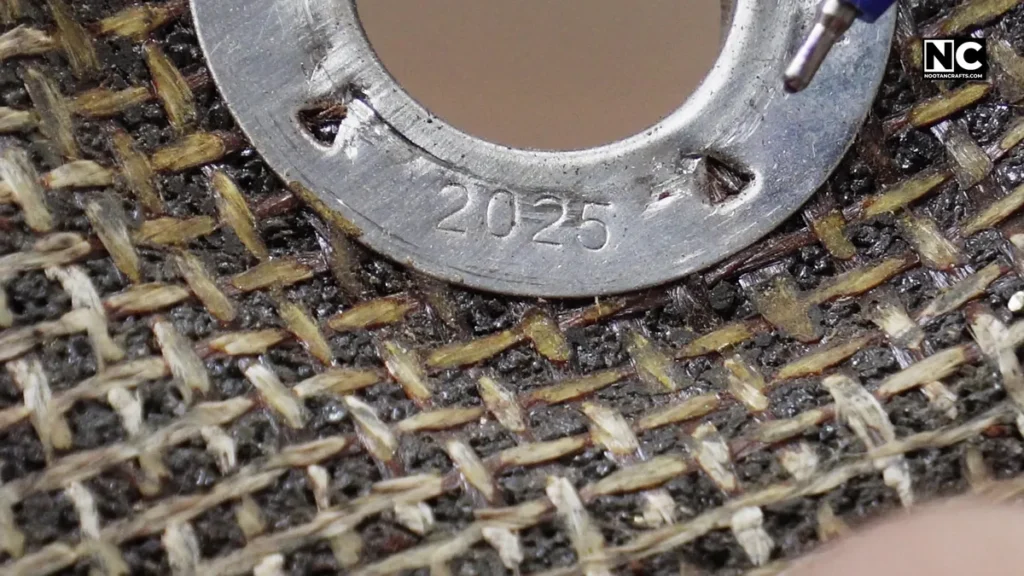
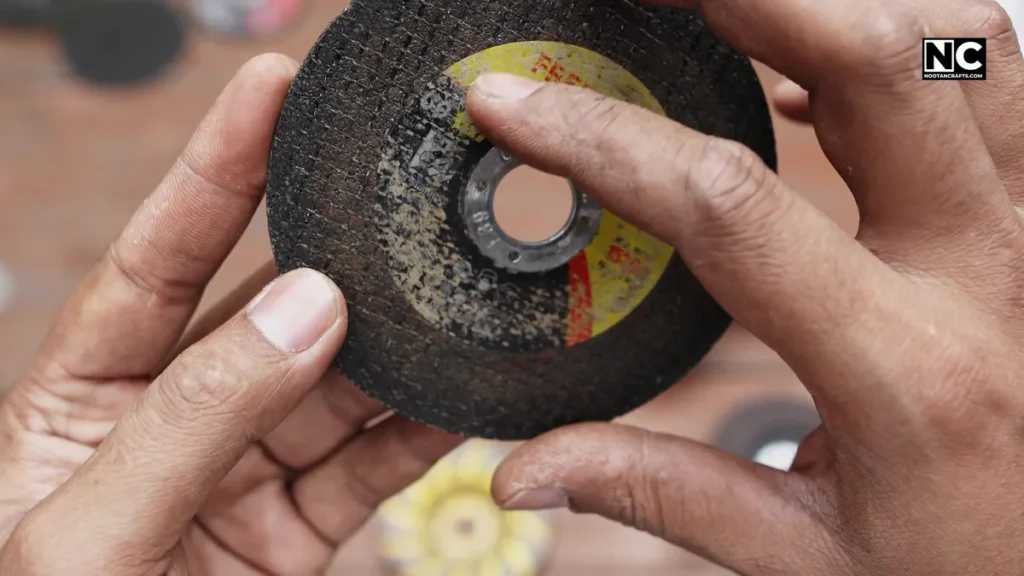
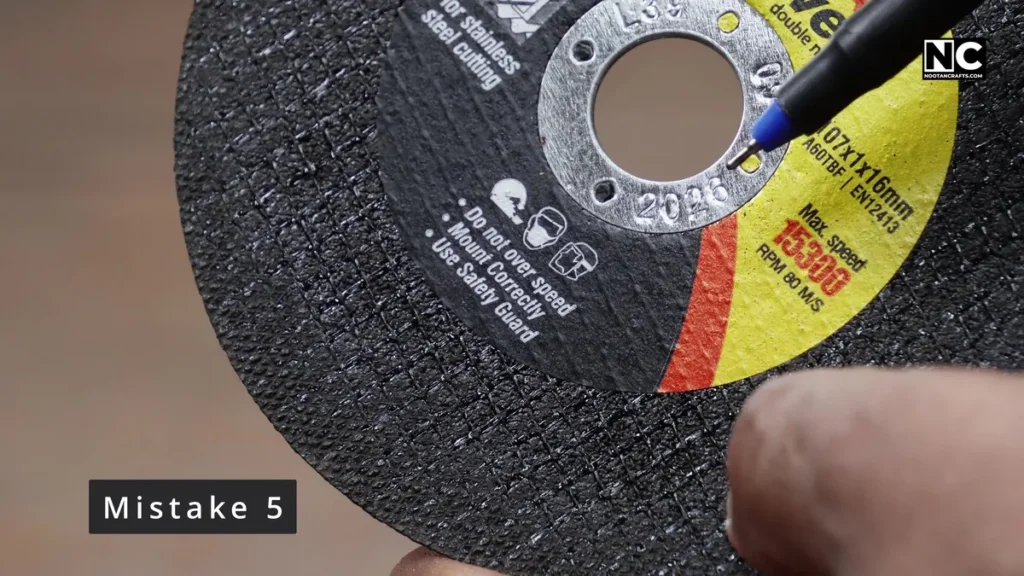
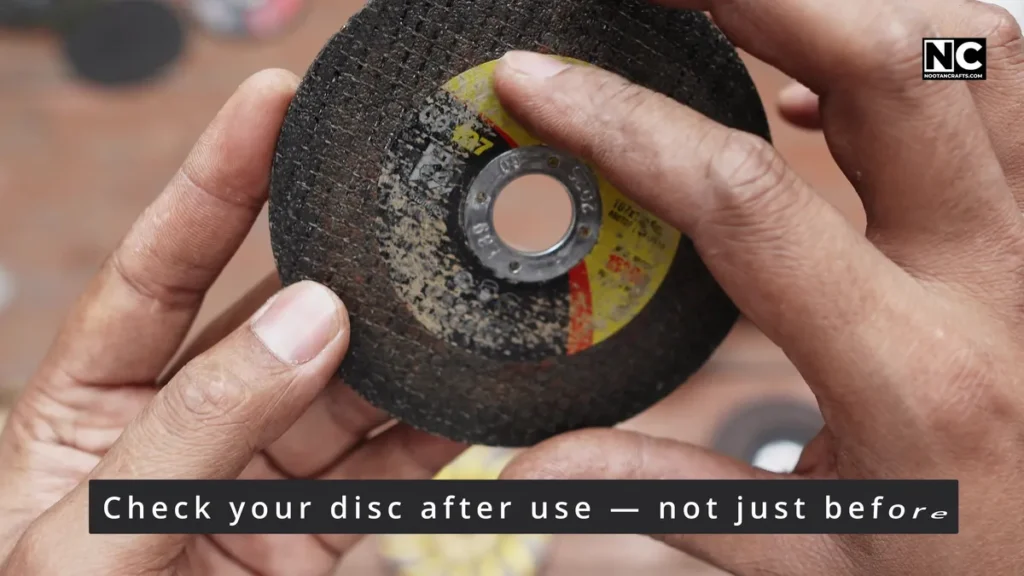
The resin holding the abrasive together degrades whether or not the disc is used, so thin cutting and deburring wheels for handheld machines carry an expiry — a maximum of three years from manufacture, usually printed as a month and year on the metal ring around the bore. The requirement comes from the European standard EN 12413, and compliance is voluntary for manufacturers, so an unbranded disc may carry no date at all. That is its own warning: a disc whose age you cannot establish is a disc you cannot check. Buy discs marked by a manufacturer who follows the standard, and check the ring before you fit it, not just when you buy it. (Source: oSa, the Organization for the Safety of Abrasives.)
Using It Safely
Every one of these exists because of something specific that happens at 11,000 rpm
These are not lifted from a manual. Each one is here because there is a failure it prevents, and knowing the failure is what makes the rule stick.
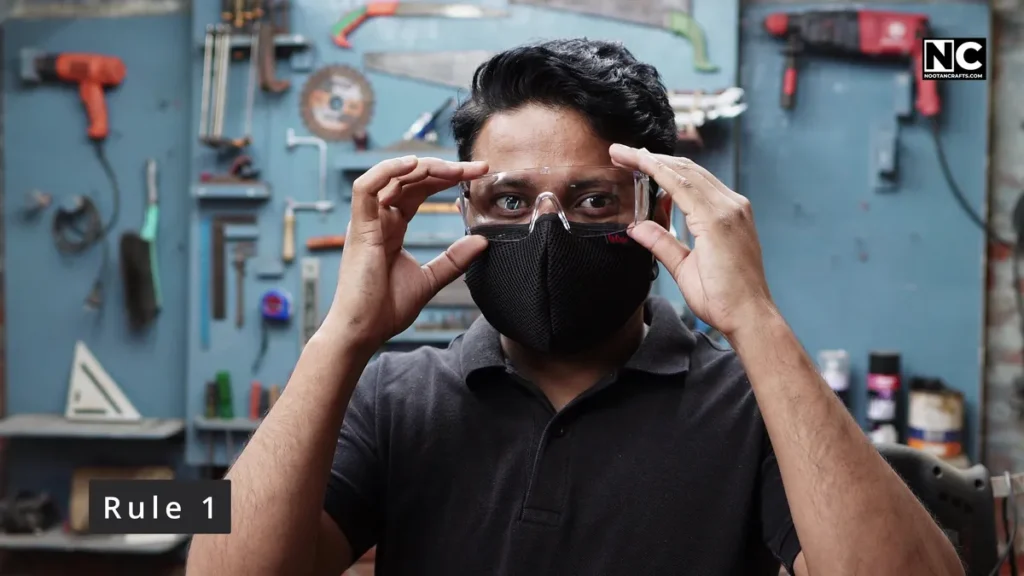
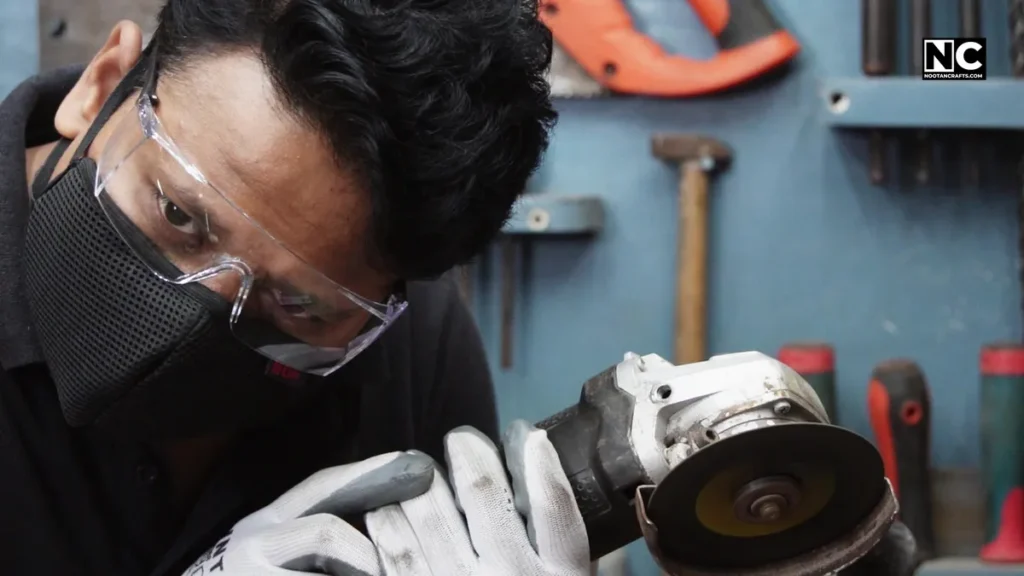
- Eye protection, every time. Safety glasses at minimum, a full face shield for wire brushing and cutting. Fragments leave the disc at the disc’s own speed. There is no reaction time to have.
- Stand to the side of the cutting plane. If a disc breaks, the pieces travel forward and backward along the plane it was spinning in. Standing out of that line is free.
- Inspect the disc before it goes on. A crack or a chip in a disc turning at eleven thousand rpm does not degrade gradually. Anything visibly wrong goes in the bin, not back in the box.
- Unplug or take the battery out before changing a disc. The spindle lock is pressed and a hand is on the disc during a change. That is the worst possible moment for an accidental trigger.
- Let it reach full speed before it touches the work. Loading a disc while it is still spinning up puts uneven stress through it.
- Never put it down still spinning. Wait for a complete stop. A coasting disc on a bench walks, and it cuts whatever it reaches — cables included.
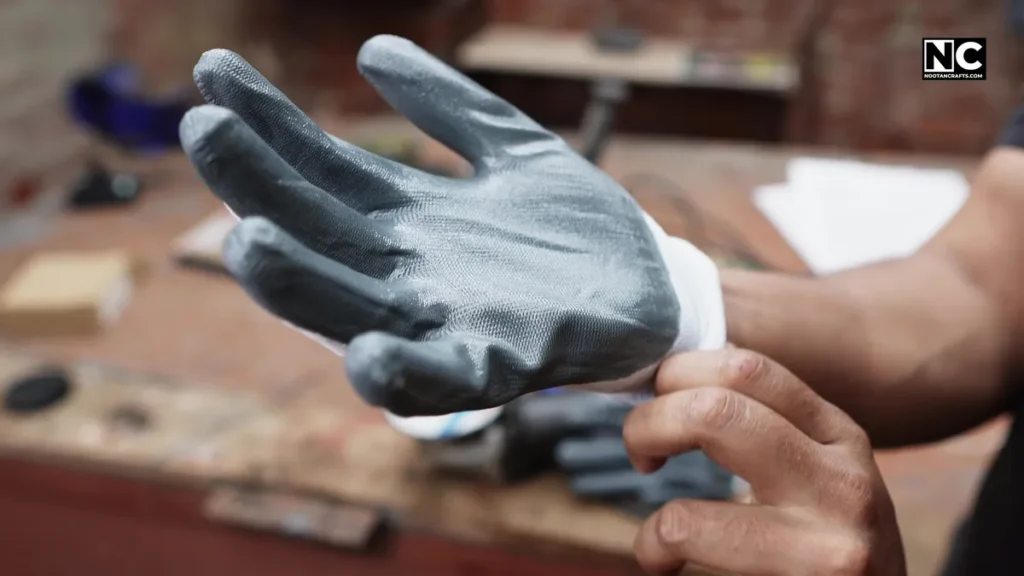
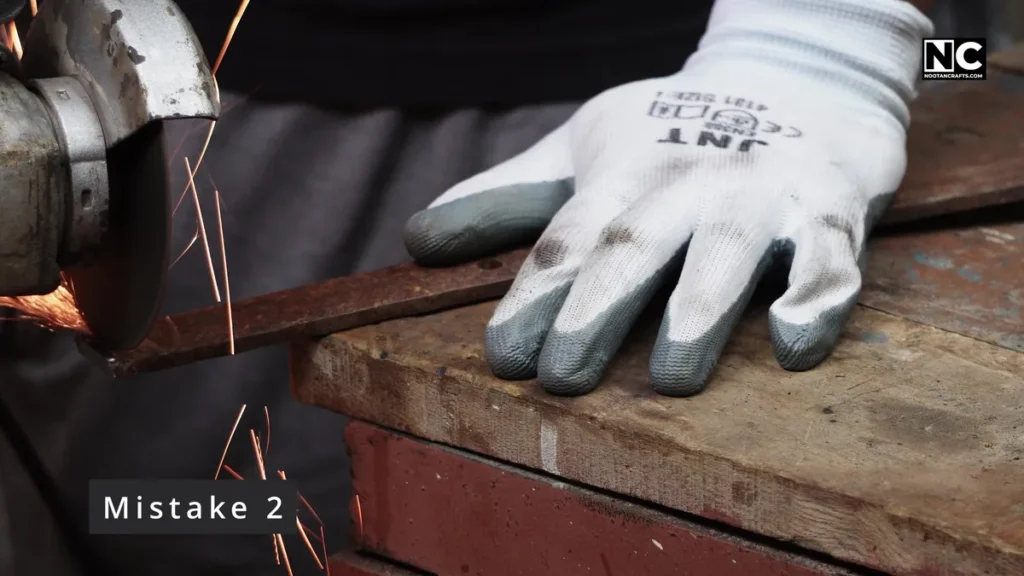
- Leather or cut-resistant gloves. Thin cotton or rubber offers effectively nothing against a spark or a fragment.
- Nothing flammable in range of the sparks. Cardboard, sawdust, rag, fuel. Sparks travel much further than people expect and stay hot when they land.
The familiarity trap. Beginners rarely get hurt the first time — they are frightened of it, and fear makes them careful. They get hurt around the fifth or sixth time, when it has started to feel routine. The tool runs at the same speed on your hundredth cut as on your first.
Cutting and Grinding Technique
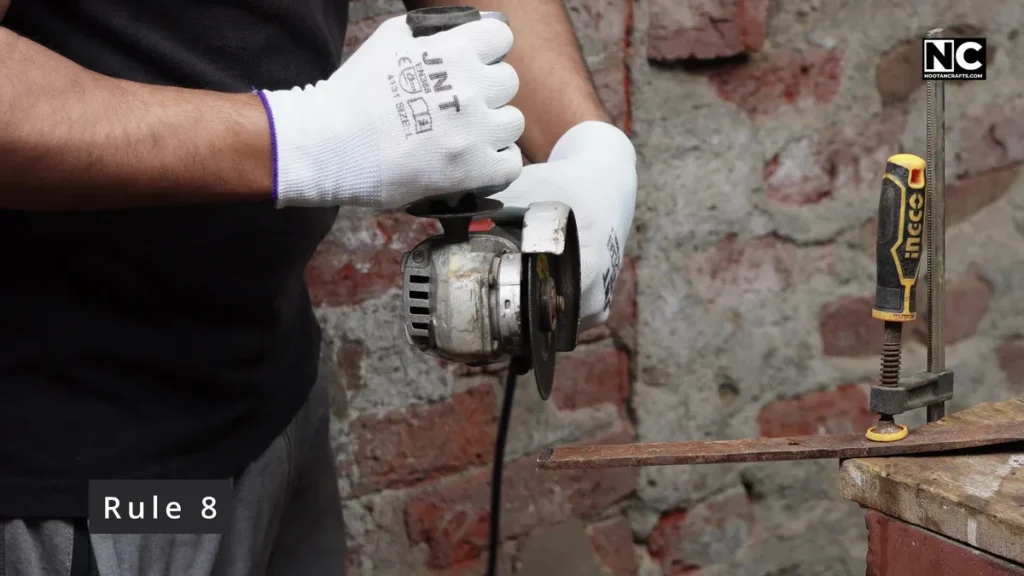
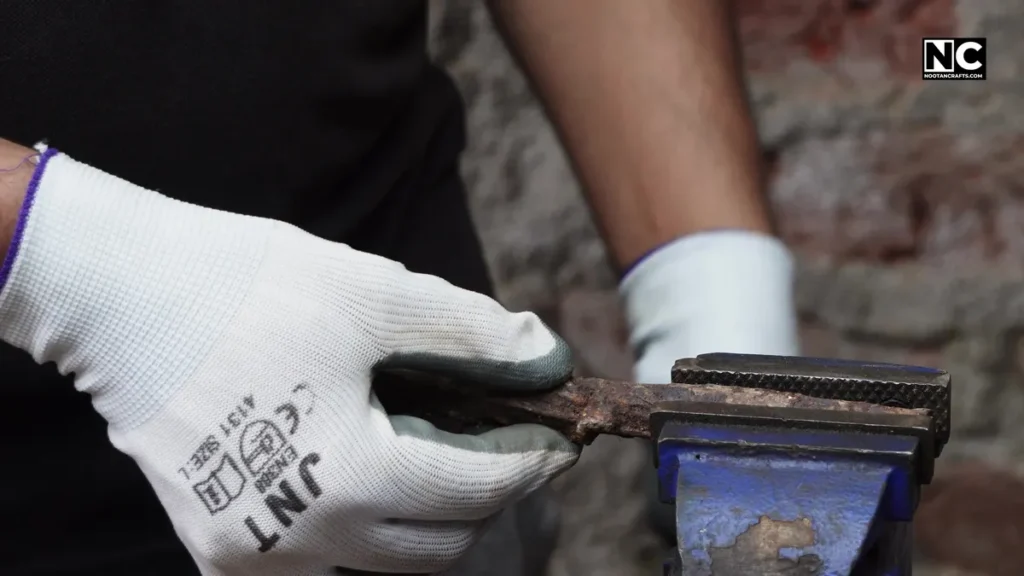
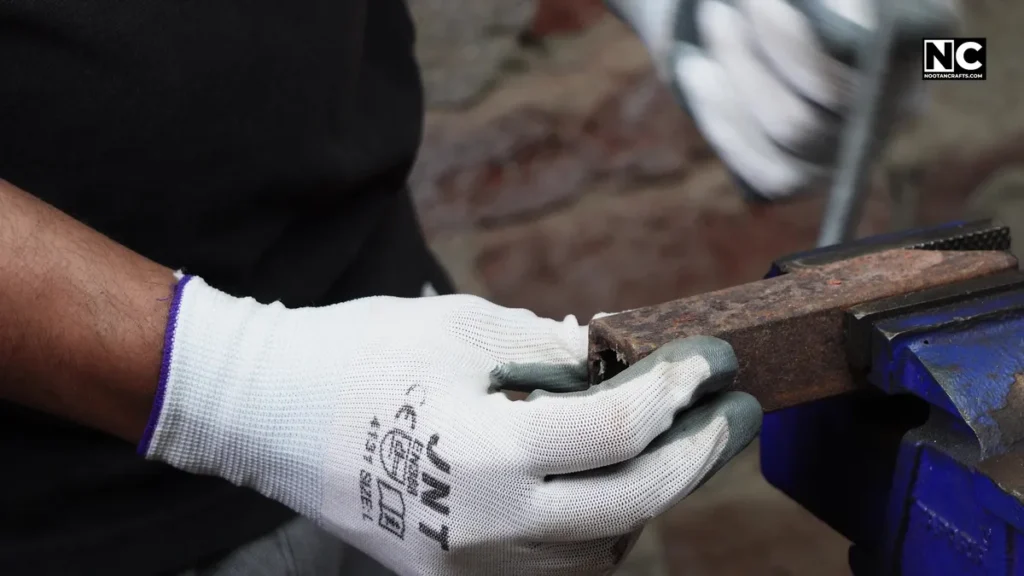
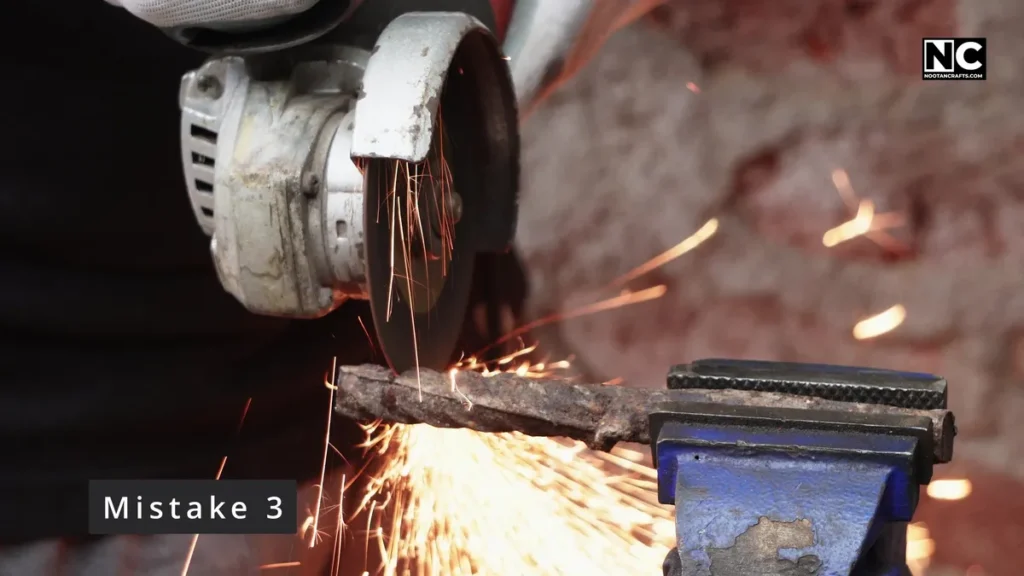
Before either: clamp the work. If one hand holds the material and only one hand is on the grinder, you have given up the control that stops a kickback from becoming an injury.
Cutting
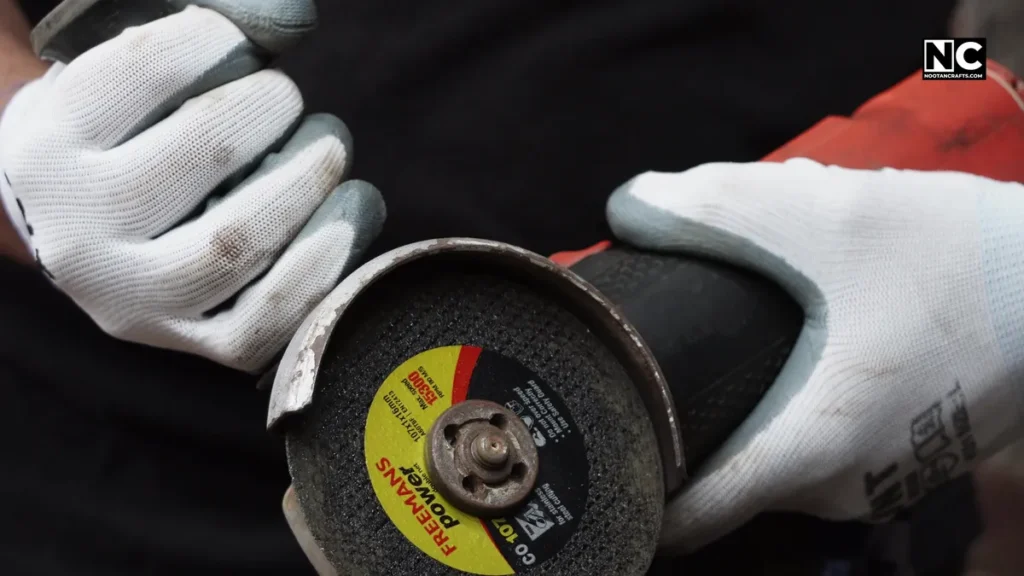
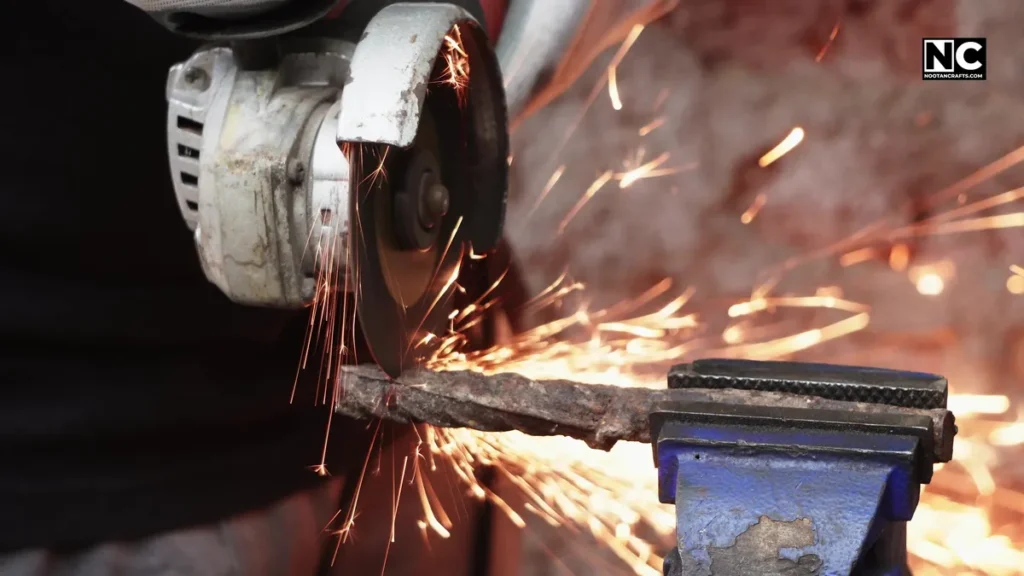
- Fit the cutting discFlat face of the clamping nut against the disc, label outward.
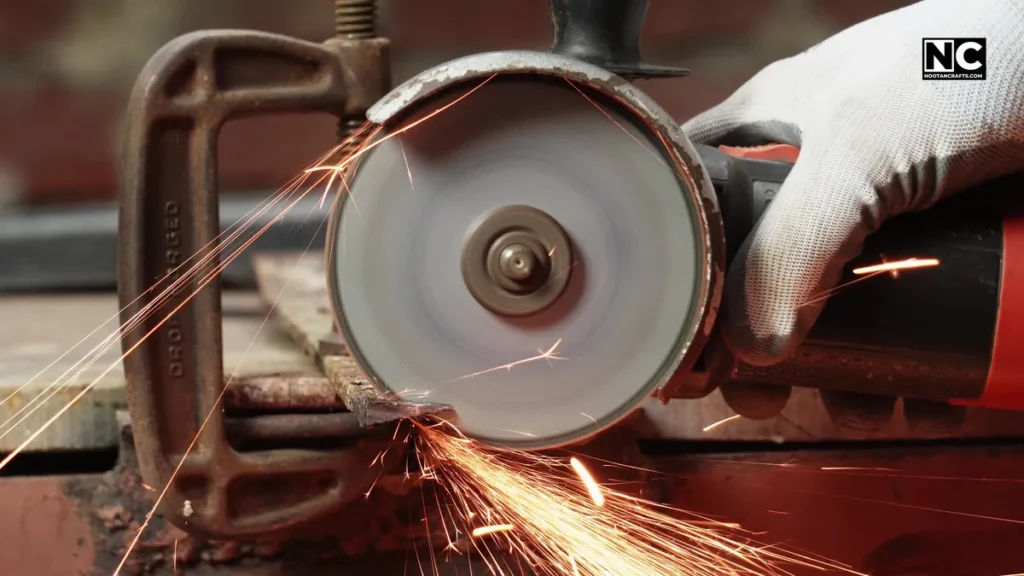
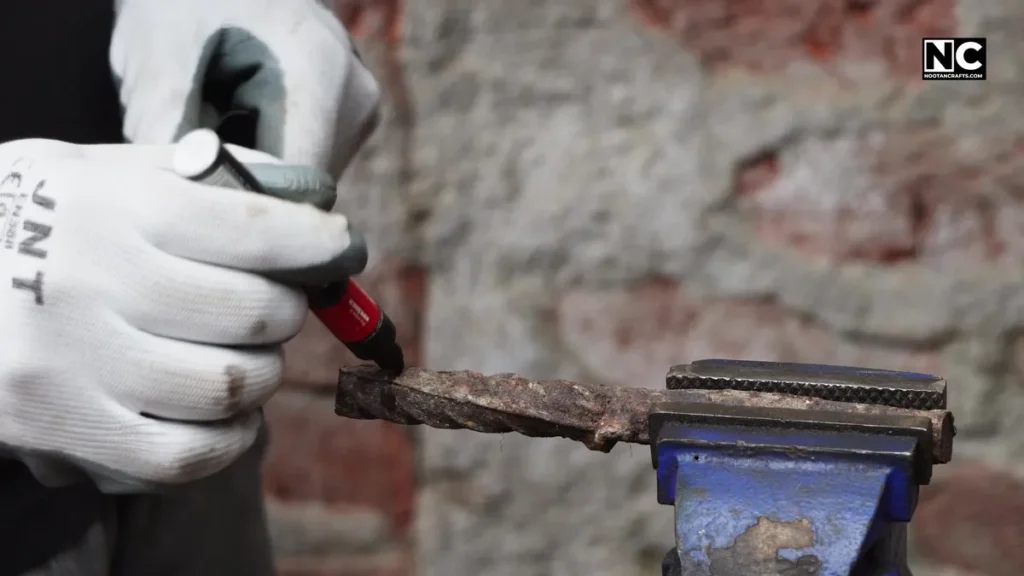
- Mark the line and set your stanceDominant hand on the rear handle, other hand on the side handle, body out of the cutting plane. Sparks should stream behind you, not across you.
- Support the work on both sides of the cutThis is the one people skip. A piece bridged between two supports sags as you cut through the middle and pinches the disc — and a pinched disc at 11,000 rpm kicks back instantly.
- Let the speed cut, not your weightLight, steady forward pressure. Leaning on it does not cut faster; it heats the disc and loads it unevenly.
- One direction, no twistingTwisting the disc inside a cut binds it. Binding is the single most common trigger for kickback.
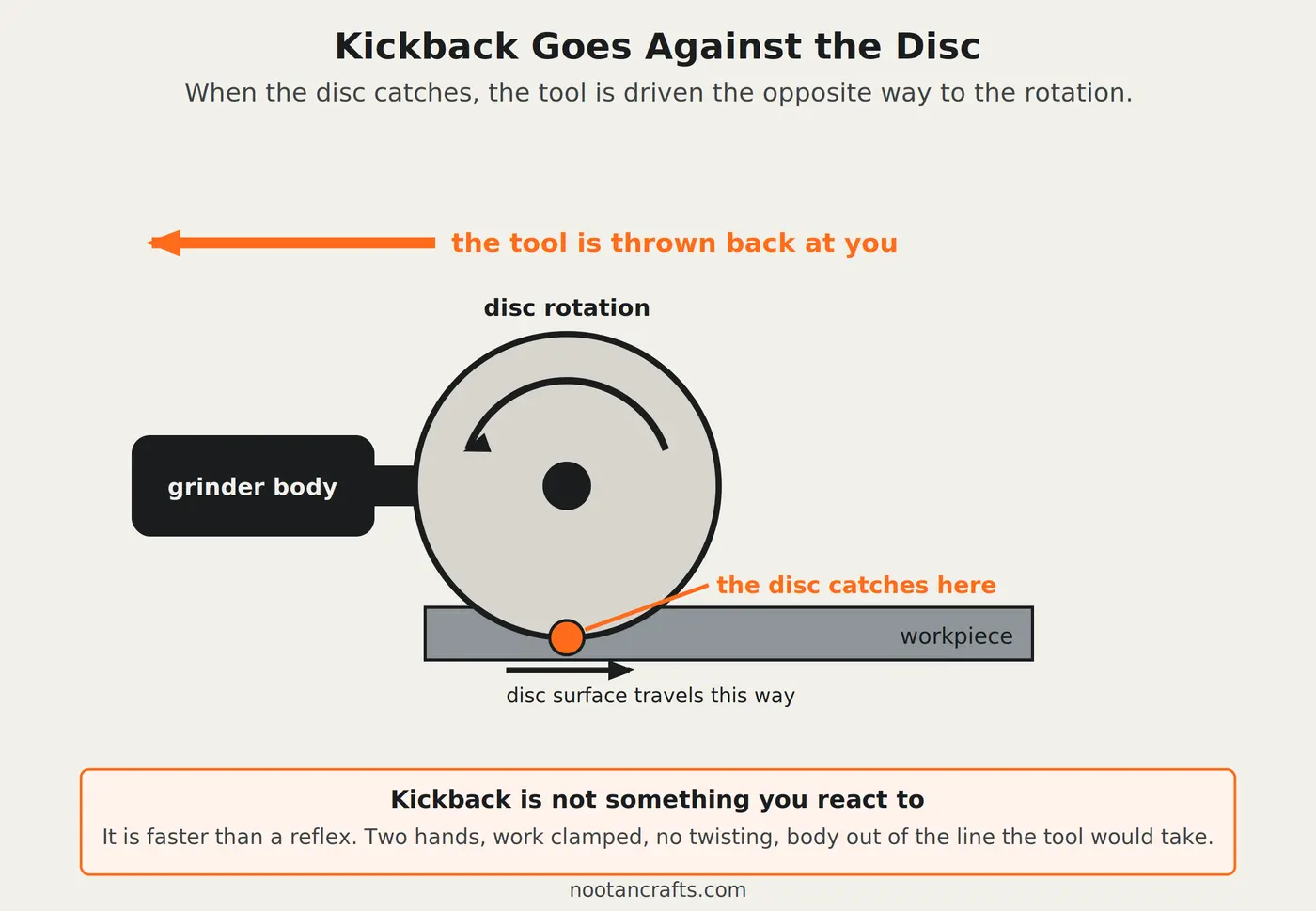
Kickback is not something you react to. When the disc catches, binds or pinches, the grinder jerks against the direction of rotation, and it happens faster than a reflex. You can’t recover it mid-event — the protection is in preventing it and deciding beforehand where the tool would go if it happened. Two hands, no forcing, no twisting, work supported.
Grinding
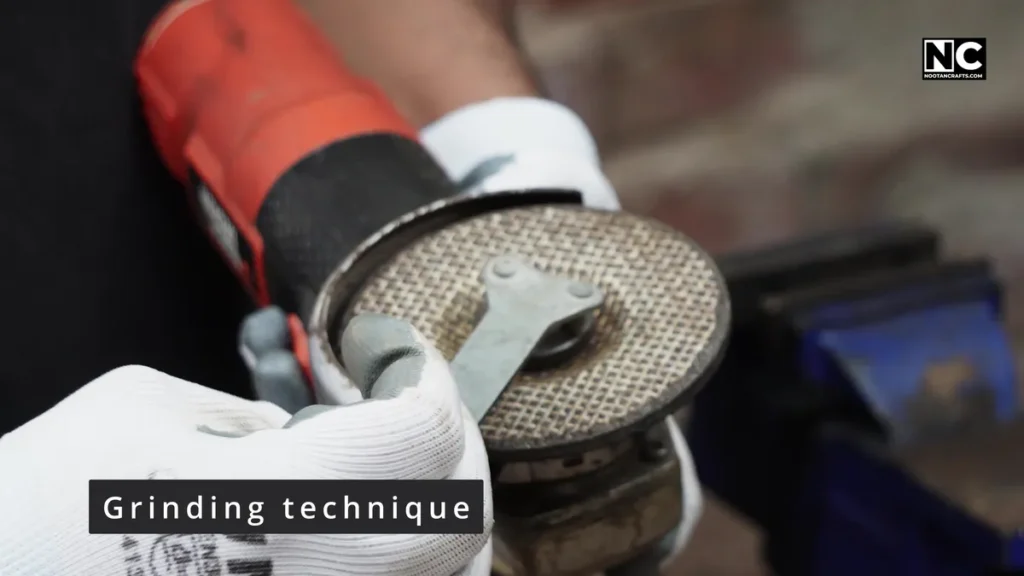
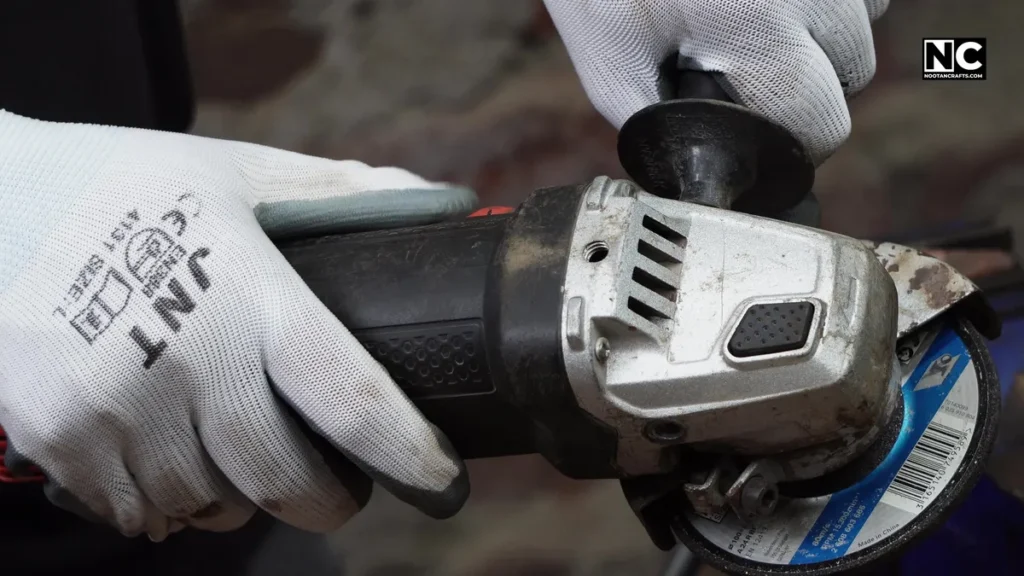
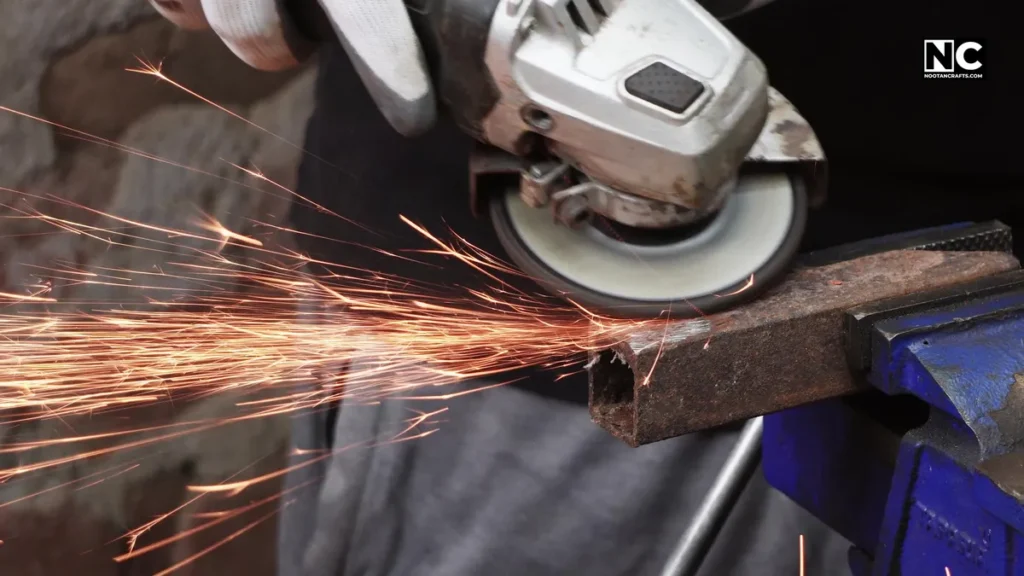
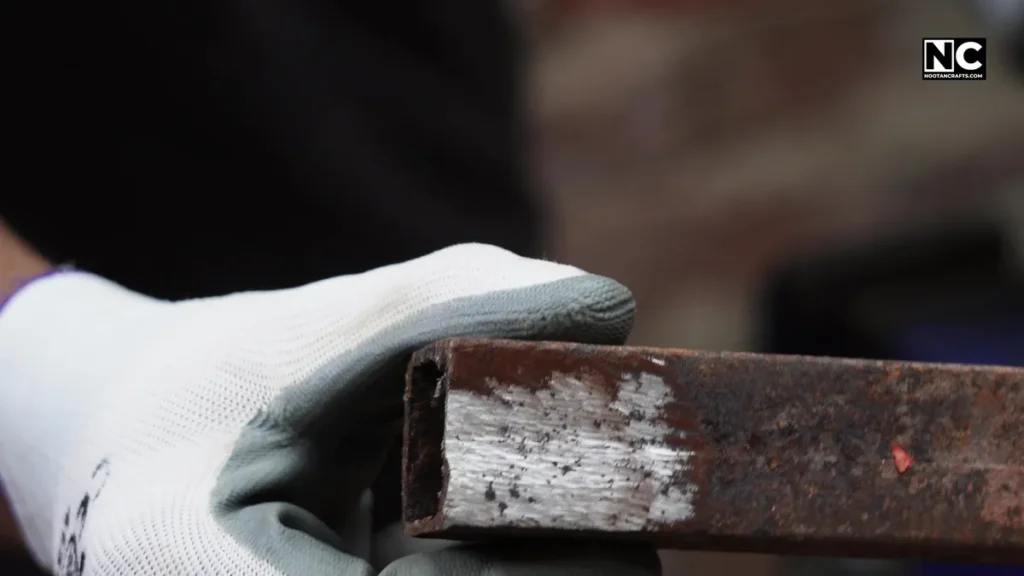
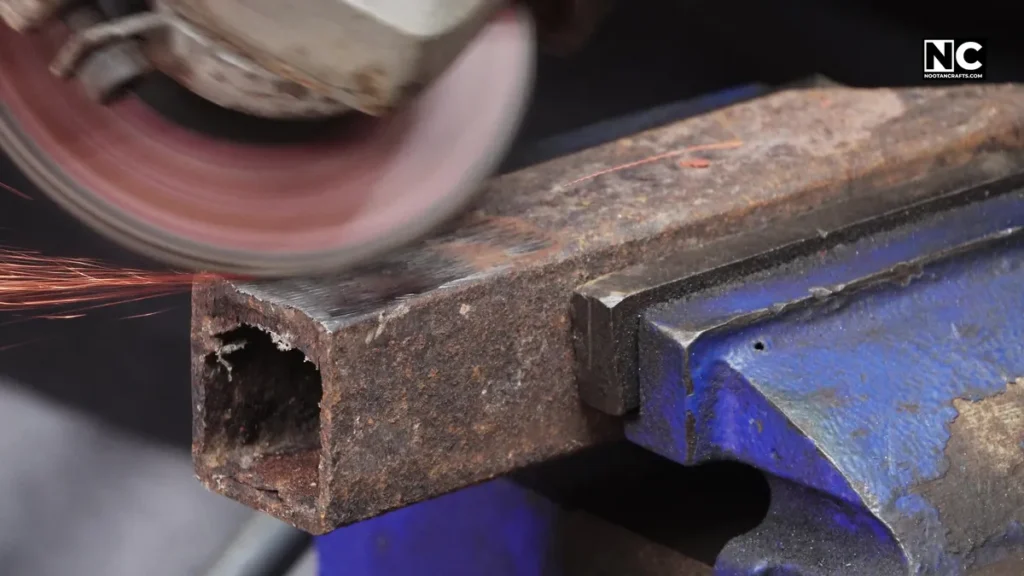
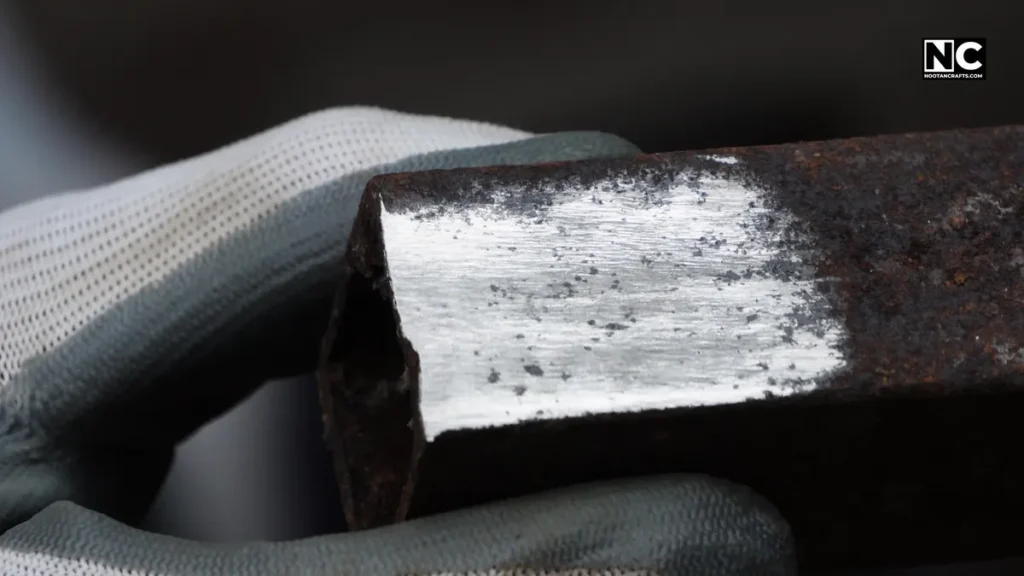
- Fit the grinding discClamping nut the other way round — collar seated into the disc’s depression.
- Hold it at 15 to 30 degreesFlatter and the disc skates and is hard to control; steeper and it digs in and leaves a gouge you then have to blend out.
- Keep it movingSmooth, even strokes. Dwelling in one place cuts a hollow and puts a lot of heat into one spot.
- Ease off the pressurePressing harder wears the disc and overheats the metal rather than removing more of it.
Never used one before? Start on rust removal with a flap disc. Lighter pressure, wider strokes, and nothing you can ruin in a second. Get used to how the tool pulls before you ask it to cut anything.
Beginner Mistakes to Avoid
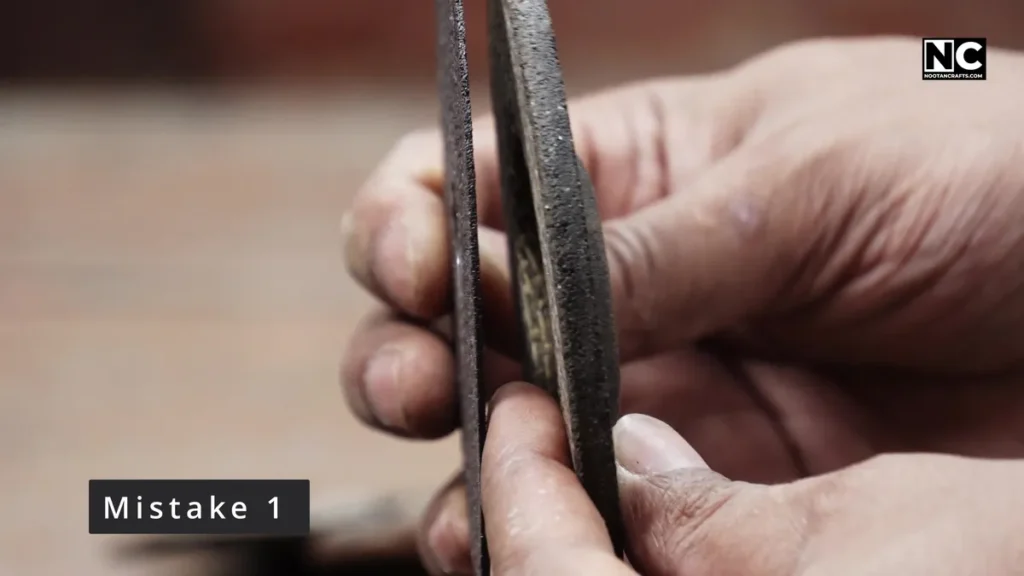
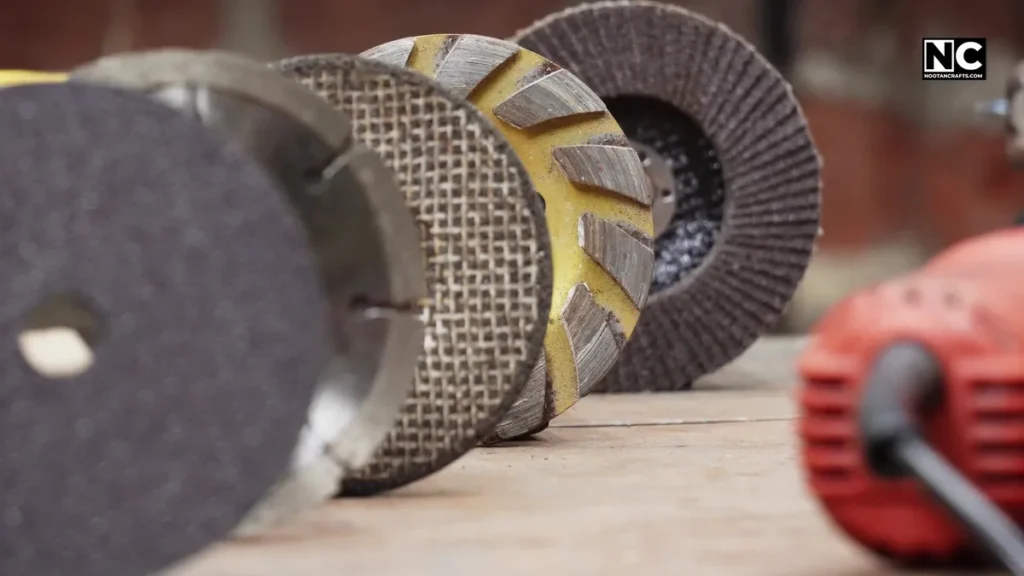
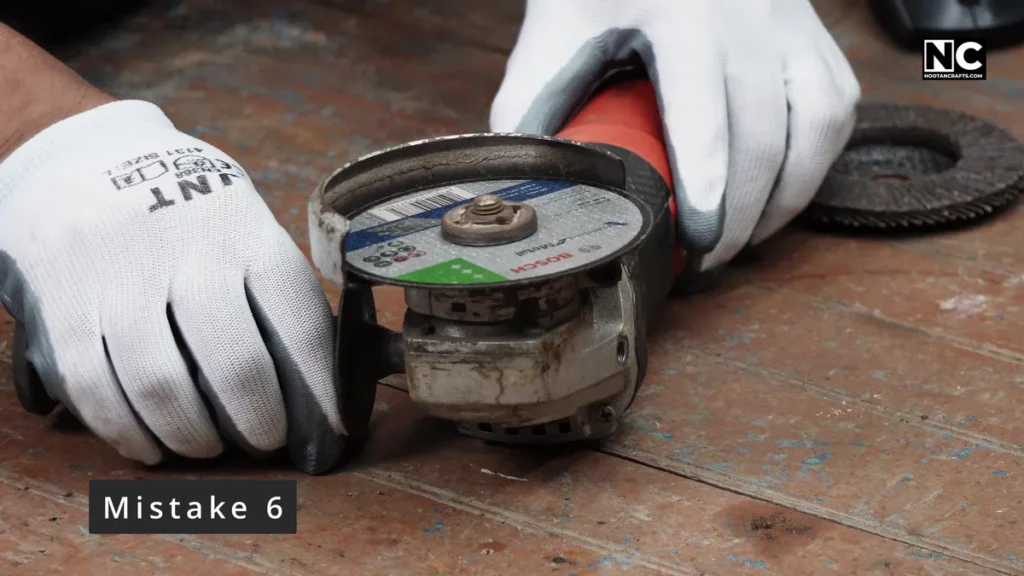
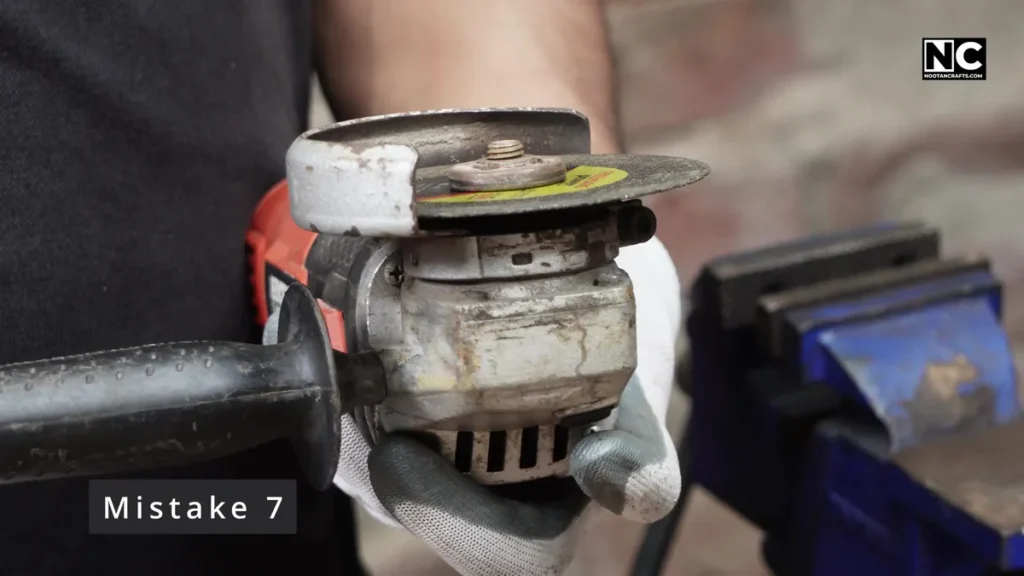
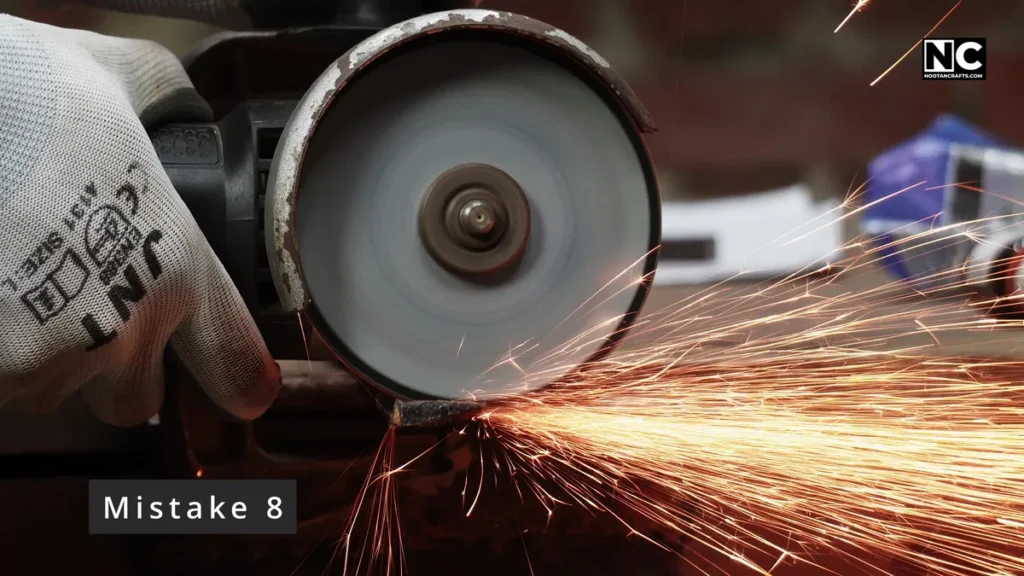
- The wrong disc for the job. A cutting disc used for grinding, or a diamond disc on metal. The most common cause of a disc failing.
- Not clamping the work. The moment one hand leaves the grinder to hold material, you have lost the control that stops a kickback becoming an injury.
- Forcing it. If the disc isn’t cutting smoothly, it is worn or the wrong one for the material. More pressure is never the answer.
- Taking the guard off. Said three times on this page. Still on the list, because people still do it.
- Ignoring the expiry date. An expired disc looks fine. That is exactly what makes it dangerous.
- Setting it down while it’s still spinning. Full stop, every time.
- Changing a disc with it plugged in. Unplug it or remove the battery first.
- Sparks near anything flammable. They travel much farther than people expect, and they are still hot when they land.
Maintenance and the Sound to Listen For
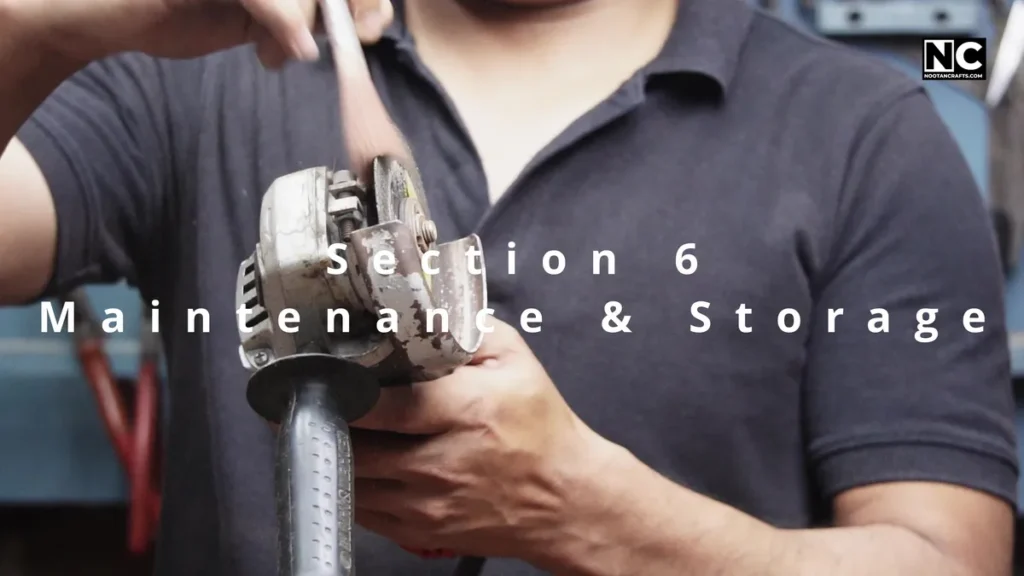
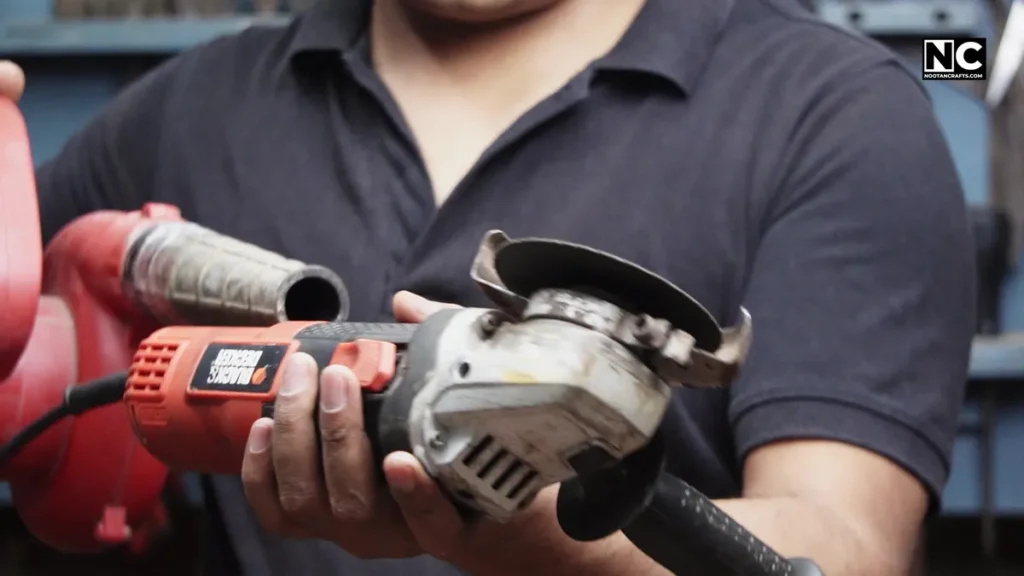
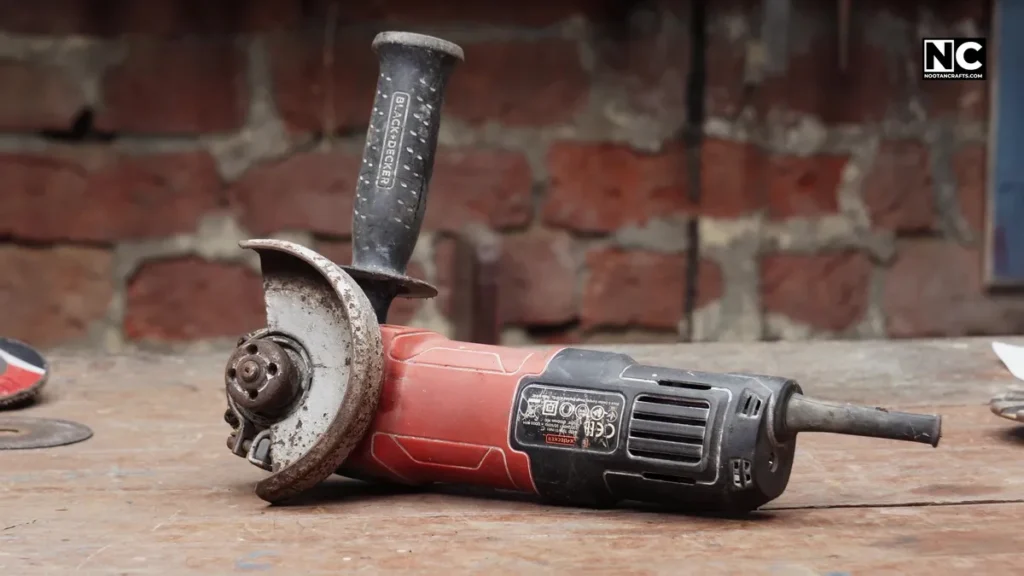
- Blow out the vents after every session. Metal dust packs into motor vents, and the tool runs hotter because of it. Ten seconds of compressed air is all it takes.
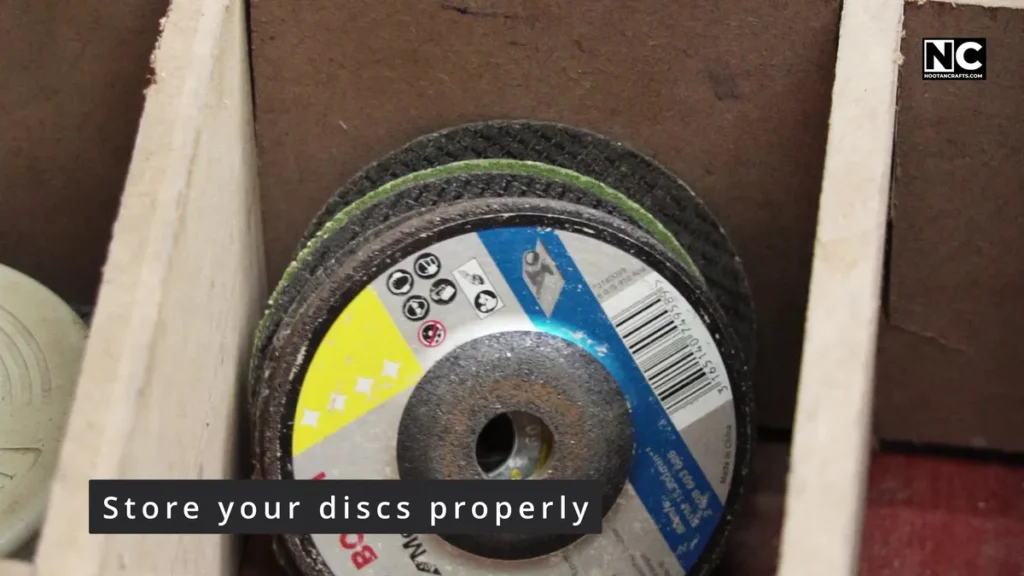
- Store discs flat or in a case. Loose in a toolbox, they knock against each other and chip, and a chipped disc is as dangerous as an expired one.
- Inspect the disc after the session as well as before. Damage taken during a job is easy to catch now and easy to forget by next time.
And the one that matters most: listen to it. A change in pitch, new vibration, sparks coming out of the body rather than the work, a grinding note from inside the motor — those are warnings, not noises to push through. I lost a grinder by ignoring internal sparking and carrying on with the job. The tool told me, and I kept cutting.
Where to Go From Here
Everything above is the tool itself. These are the questions that come next, each answered in short here and in full on its own page.
Corded or cordless?
Buy the corded one if you are buying one grinder. It has more sustained power; it does not stop halfway through a cut, and it costs a fraction of the cordless equivalent. Cordless wins on reach — a roof, a gate, anywhere without an outlet — and it wins on something less obvious: the safety features that matter most, the electric brake and kickback detection, appear far more often on cordless models than on budget corded ones. The full comparison is here.
Can you slow it down?
Yes, three ways — a model with variable speed built in, an external controller, or a DIY controller if you are comfortable with line-voltage wiring. But people usually want it for the wrong reason. A slowed grinder does not run cooler; the fan slows with the motor, so it runs hotter under the same load. Slower speed is for polishing, wire brushing, and plastics, not for making cutting gentler. Speed control, and when not to bother.
The nut is seized, and the pin wrench is missing
It happens to everyone, and it happens because the nut tightens itself under load — the disc’s rotation drives it further on every time you use it. There are four ways off it without the wrench, and one of them, hammering against the spindle lock, will shear the lock if you do it wrong. All four, and which to try first.
Cutting metal properly
The technique above is the general case. Cutting steel section, rebar, and sheet each behave differently — thin material wants a 1 mm disc that cuts fast and wanders; thicker plate wants a heavier disc that tracks straight. Cutting metal, in detail.
Cutting wood with it
Yes, but only with a disc made for it — a grinder-rated carving disc. Never a circular saw blade. A saw blade on a grinder has no guard, no riving knife, no depth stop, and no brake, and it is one of the few things in a workshop capable of taking a hand off. What works and what to refuse.
Do you also need a die grinder?
Eventually, if you weld or do detail work. They aren’t alternatives—the angle grinder cuts the post off, and the die grinder cleans the joint afterward. And the die grinder isn’t safer just because it is smaller; it has no guard at all. Which to buy first?
What I’d buy for this job

Last update on 2026-10-23 / Affiliate links / Images from Amazon Product Advertising API
Common Questions
What size angle grinder should a beginner buy?
115 mm (4.5 in). It handles almost everything a home workshop asks of it, the discs are the cheapest and most widely stocked size, and it is light enough to control with two hands for a long session. A 230 mm (9 in) machine has the reach for paving and thick section, but it is heavy, its kickback is far harder to hold, and it is not a first grinder.
Can I use a cutting disc for grinding if I am careful?
No. A cutting disc is thin and built to take load on its edge only. Grinding puts load on its face, and that is the direction it has no strength in. “Careful” does not change the geometry — this is the most common way people break a disc, and the fragments leave at the speed the disc was turning.
Why does the nut keep tightening itself?
Because the disc’s rotation drives it. The nut threads in the same direction the disc turns, so every cut nips it a little further on. It is not a fault, and it is why the nut can be very hard to shift after heavy use.
Is it safe to use an angle grinder without the guard?
No, and it is also the one rule with a regulation attached — OSHA sets a maximum 180-degree wheel exposure for portable right-angle grinders and requires the guard to sit between the wheel and the operator. The guard is what turns a burst disc into a startling noise rather than an injury. People remove it for visibility on awkward cuts; the answer to an awkward cut is to reposition the work.
How long does an angle grinder disc last?
It depends entirely on the material and how hard it is being pushed, so nobody can give you a number in cuts. What is fixed is the other end of it: a resin-bonded thin disc has a maximum three-year life from manufacture whether or not it has ever been used, because the bond degrades on its own.
Can an angle grinder cut concrete or tile?
Yes, with a diamond disc rather than an abrasive one. Dry-cutting masonry throws a lot of silica dust, which is a genuine respiratory hazard rather than a nuisance, so that job needs a mask rated for it and ventilation or water suppression.