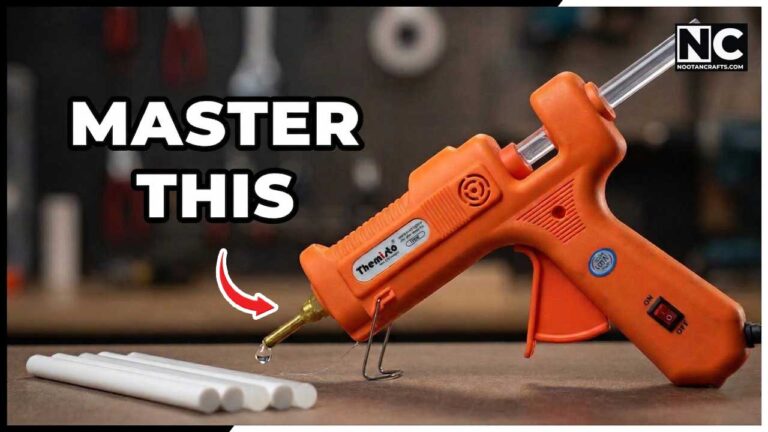
Hot glue guns look harmless. But if you’re using a glue gun for the first time, a few wrong moves can lead to burns, stringing, weak bonds, or glue in the wrong place.
This guide covers everything you need to know about using a glue gun safely—from choosing the right type and glue stick to getting a clean bond on fabric, plastic, and everything in between. Whether you’re tackling a craft project or a quick repair, by the end of this post, you’ll know how to work without making a mess, burning yourself, or wasting half a stick on your first attempt.
What I’d buy for this job


Last update on 2026-10-24 / Affiliate links / Images from Amazon Product Advertising API
What’s Inside!
- 1 – How to Use a Glue Gun Video
- 2 – 1. What a Glue Gun is and Why It's Useful
- 3 – 2. How a Glue Gun Actually Works
- 4 – 3. Types of Glue Guns
- 5 – 4. Choosing the Right Glue Stick
- 6 – 5. How to Use a Glue Gun Correctly
- 7 – 6. Techniques for Better Results
- 8 – 7. What You Can and Can't Glue
- 9 – 8. Common Beginner Mistakes
- 10 – 9. How to Use a Glue Gun Safely
- 11 – Common Questions
- 12 – Controlling Every Drop
How to Use a Glue Gun Video
1. What a Glue Gun is and Why It’s Useful
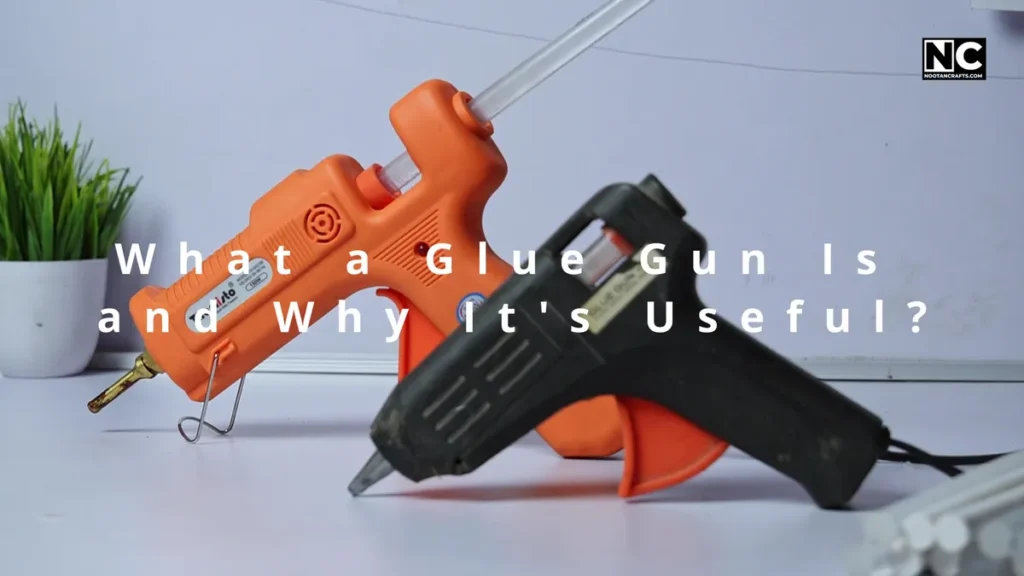
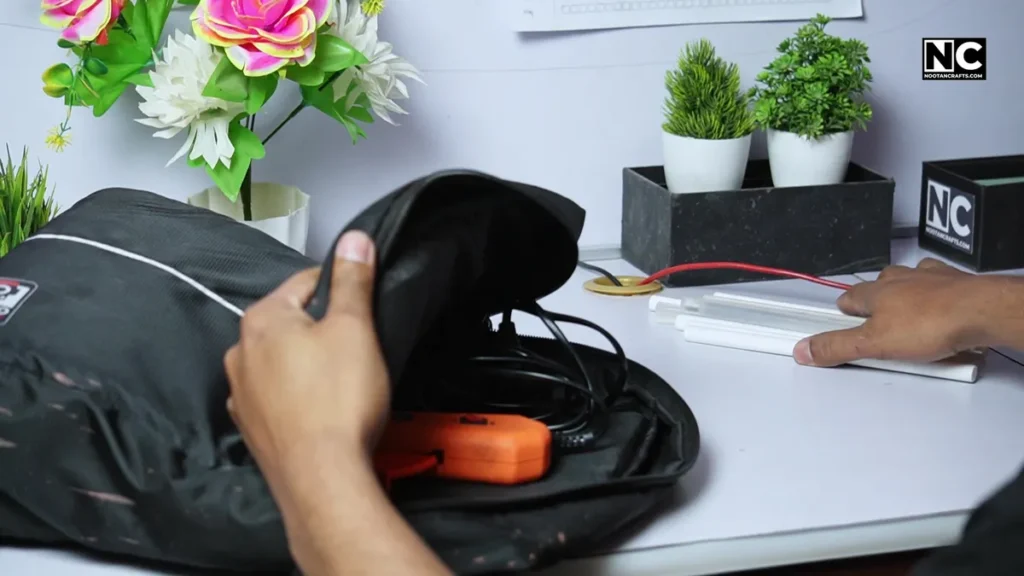
A glue gun is a portable adhesive system — fast, easy to use, and surprisingly versatile. People use it for crafts, repairs, DIY electronics, and decoration.
Some things you can do with one include fixing a loose part, securing wires, hanging string lights, building cardboard structures, making a quick resin mold, or temporarily joining two wooden pieces. The range of applications is wider than people expect.
2. How a Glue Gun Actually Works
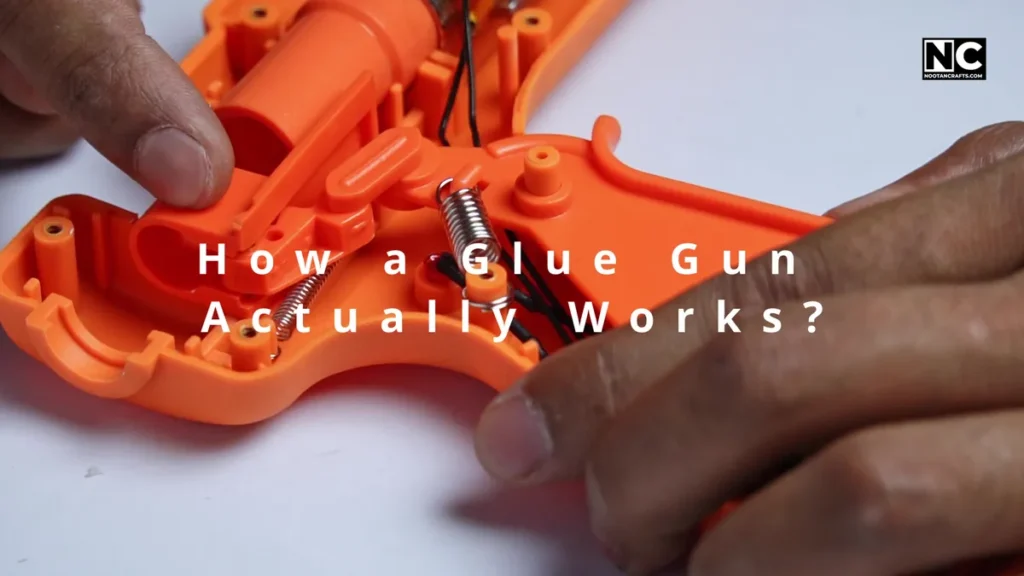
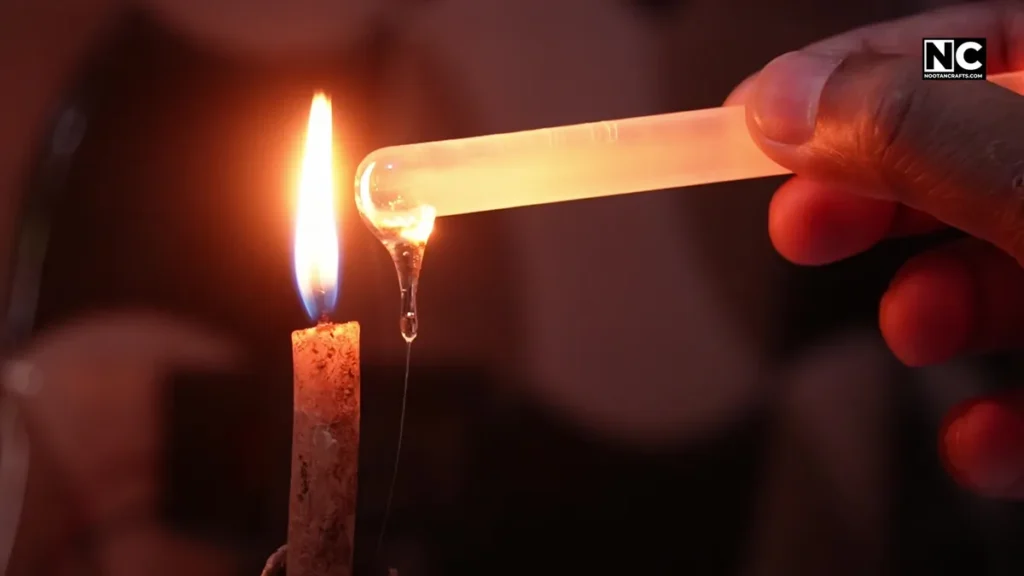
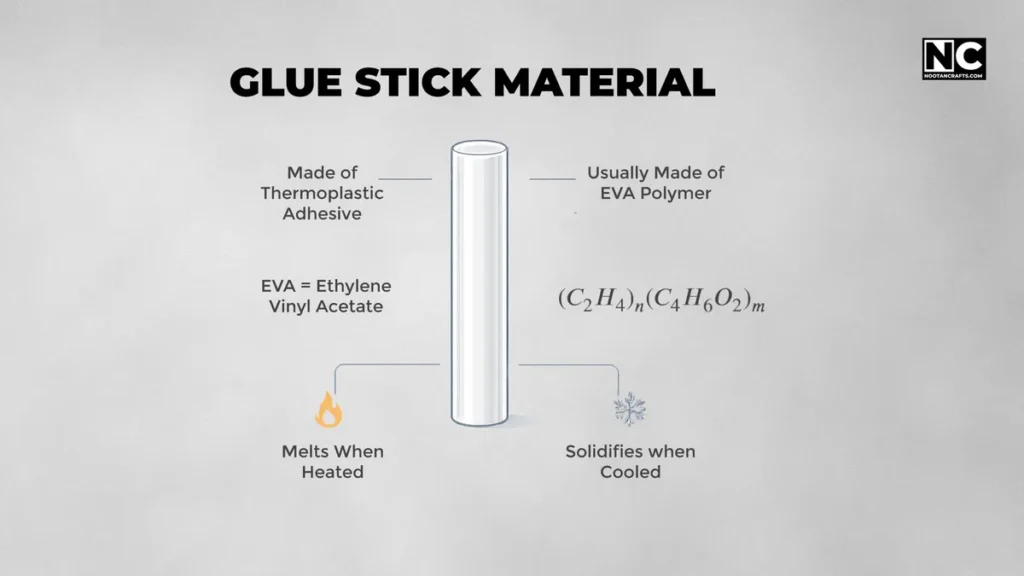
Glue sticks are made of thermoplastic adhesive — usually EVA (ethylene-vinyl acetate). They melt under heat and solidify as they cool, forming a bond. The gun’s job is to melt that stick in a controlled way and apply it cleanly.
Here’s the process step by step:
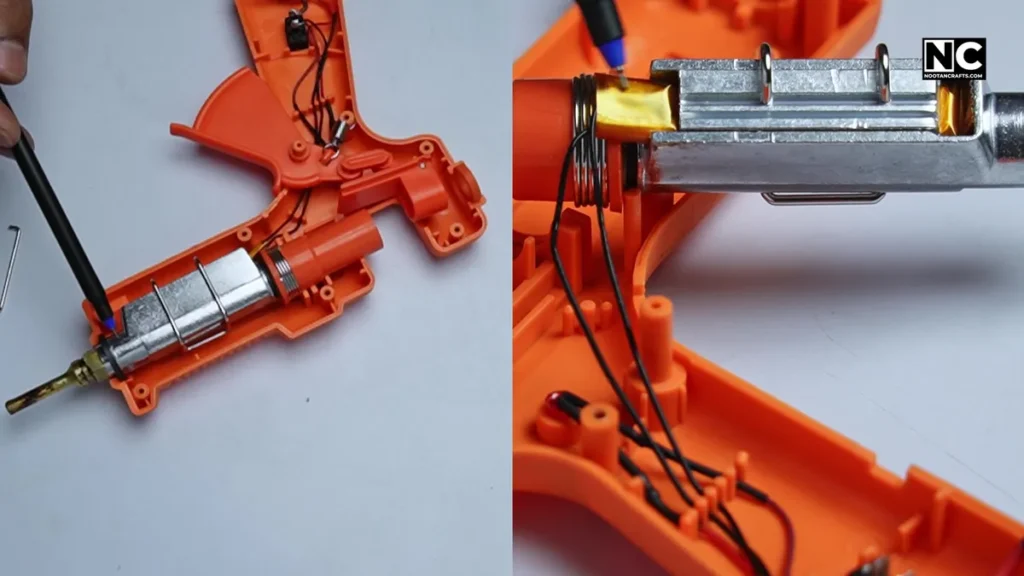
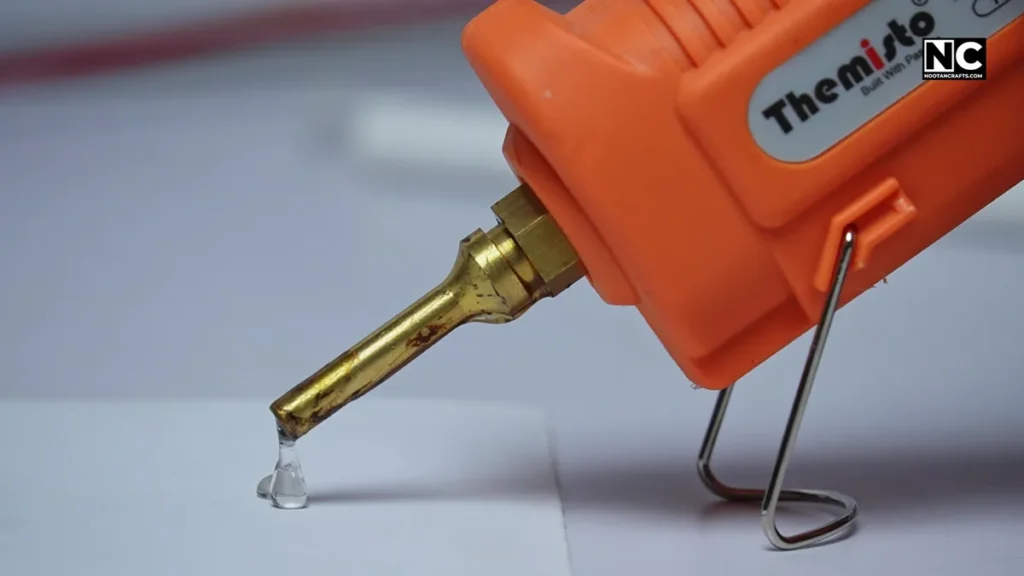
- You insert a glue stick into the chamber at the back of the gun.
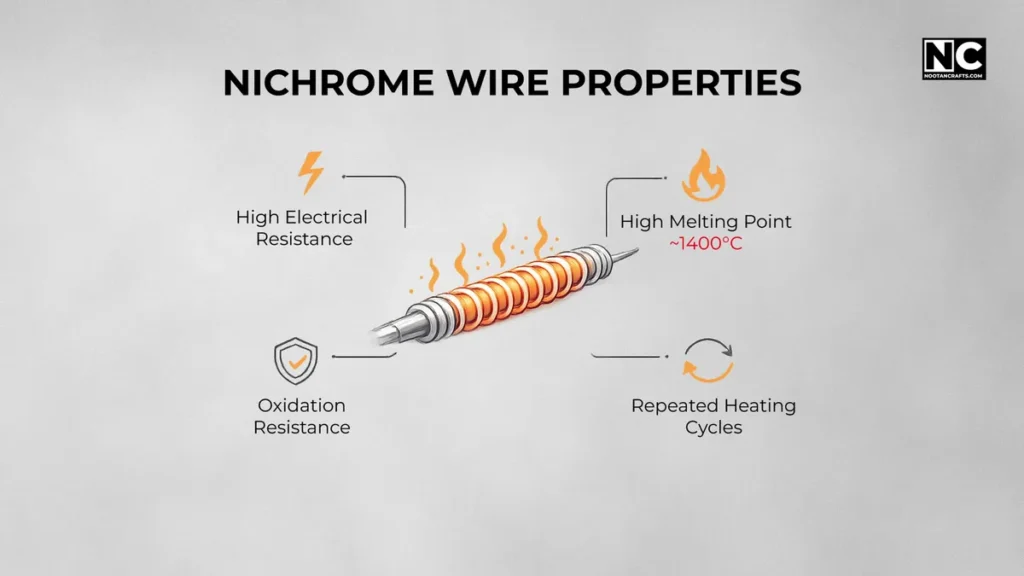
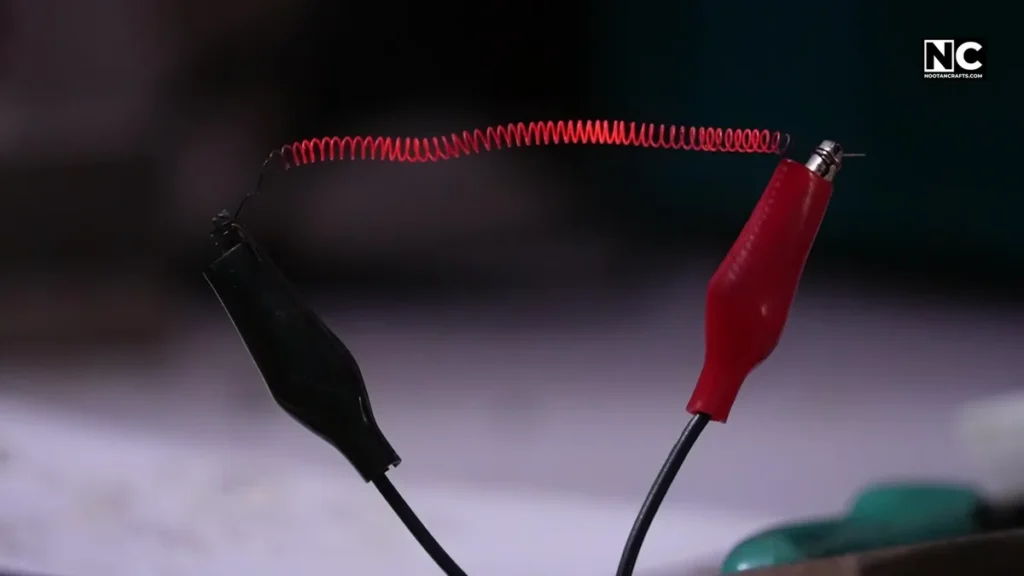
- When you switch the gun on, electricity passes through a heating element — typically made of nichrome wire, the same material used in kettles, irons, and water heaters.
- The element heats up, melting the portion of the stick inserted.
- When you press the trigger, a mechanism pushes the stick forward, forcing liquid glue out through the nozzle.
- The glue cools on contact with the surface and solidifies, creating the bond.
Also read: How to Make a Pencil Holder from scrap marble
3. Types of Glue Guns
Glue guns fall into three categories based on temperature range and wattage.
Low temperature (10–20W, about 250–340°F / 120–170°C)
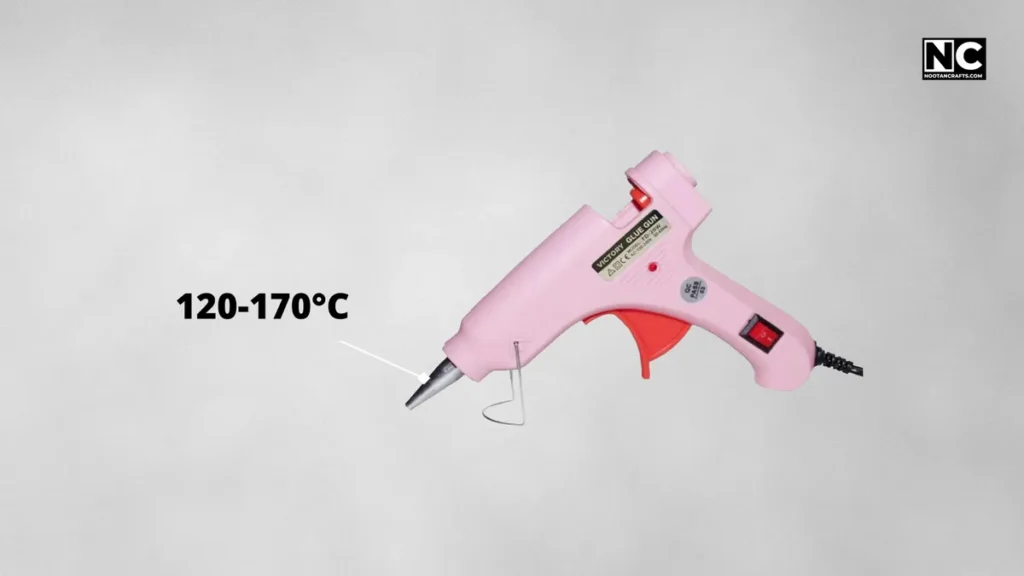
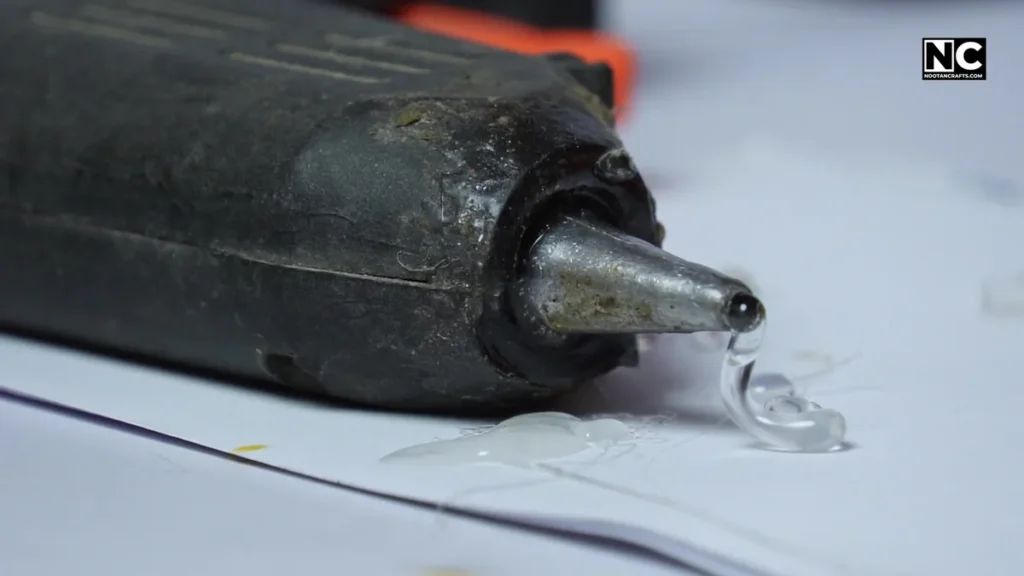
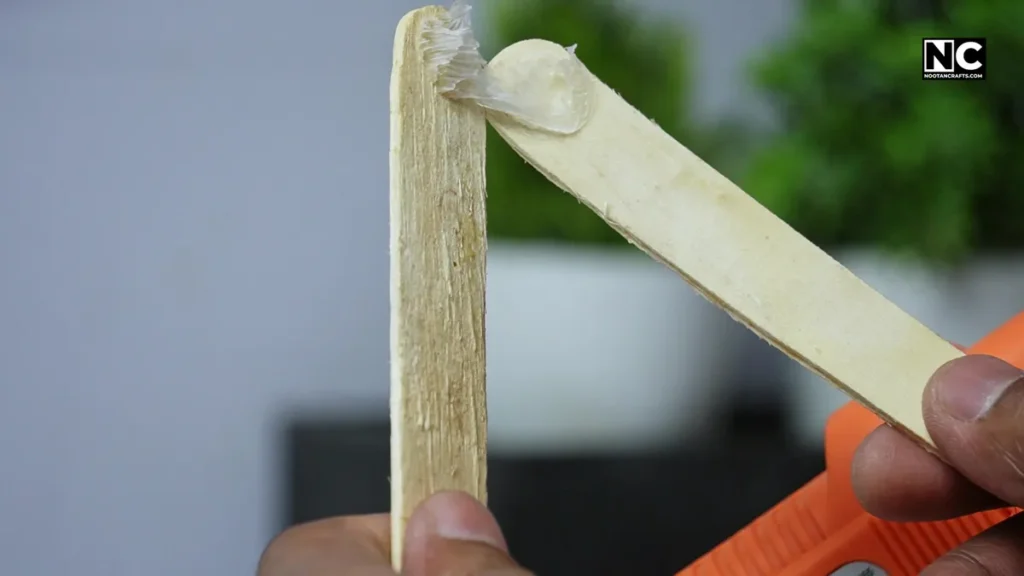
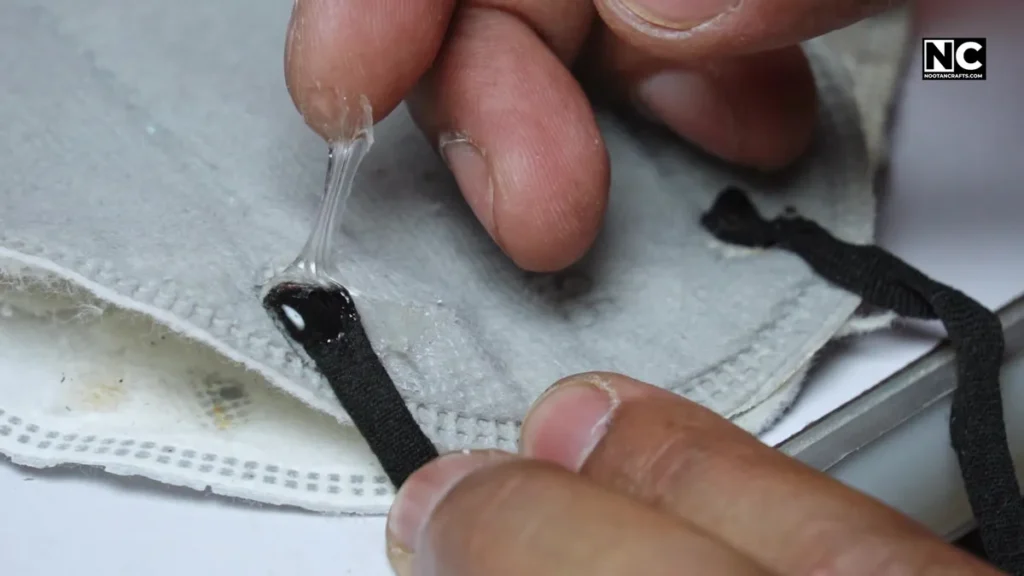
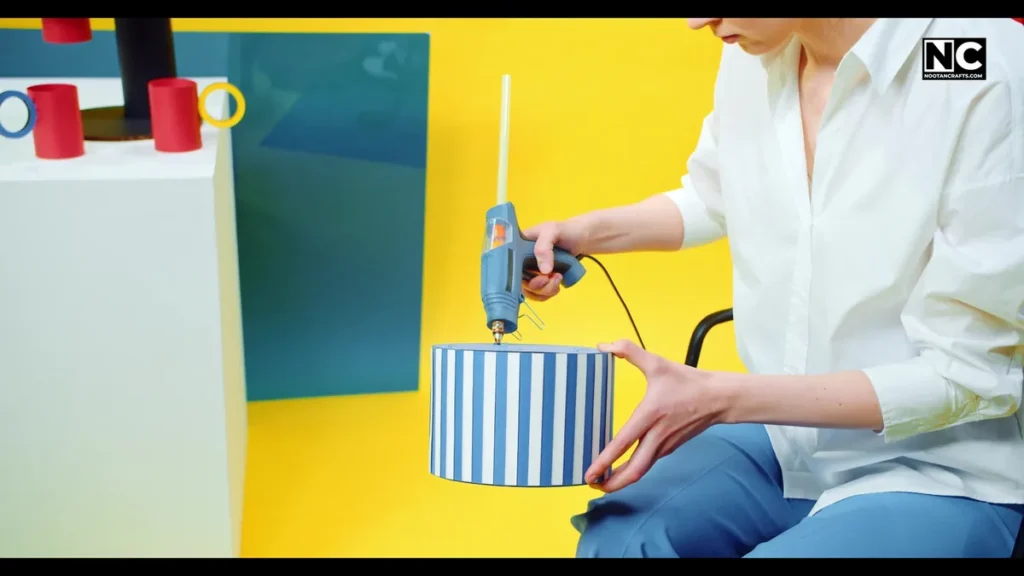
These melt glue slowly and produce a softer, lower-strength bond. The trade-off is safety — they’re much less likely to cause burns. Ideal for paper, fabric, foam, and children’s school projects. Not suitable for structural repairs.
High temperature (40–100W, about 340–430°F / 170–220°C)
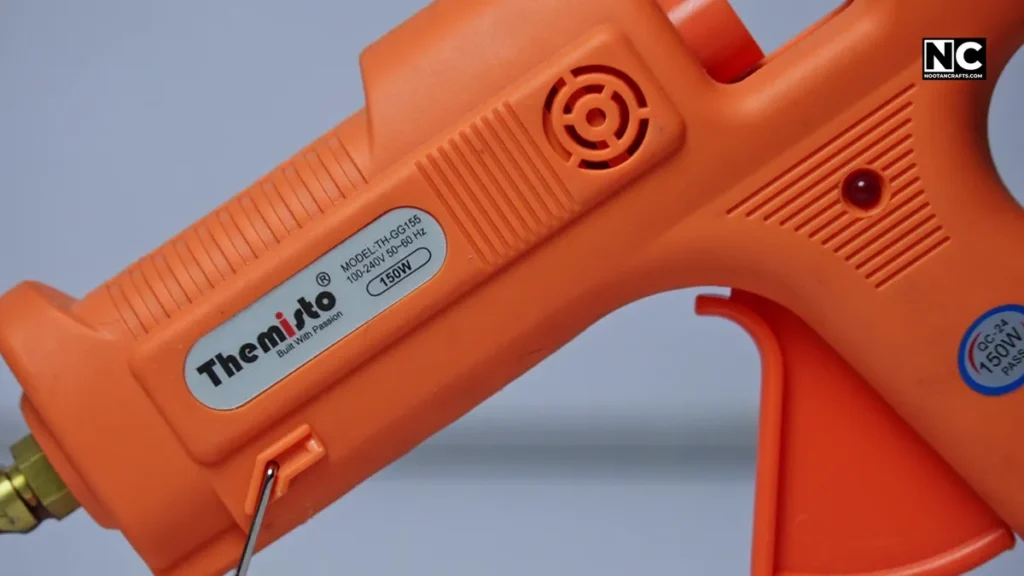
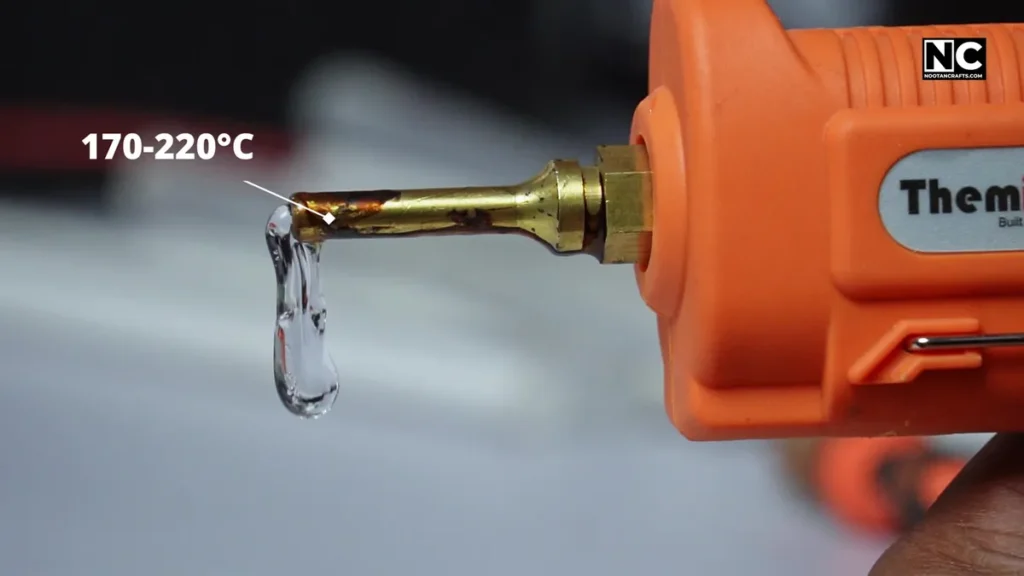
The glue flows more like a liquid, penetrates surfaces better, and creates a much stronger bond. These guns can damage delicate materials and burn skin quickly if you’re not careful. Best for wood, plastic, and light metal bonding — real repair and DIY work.
Dual temperature
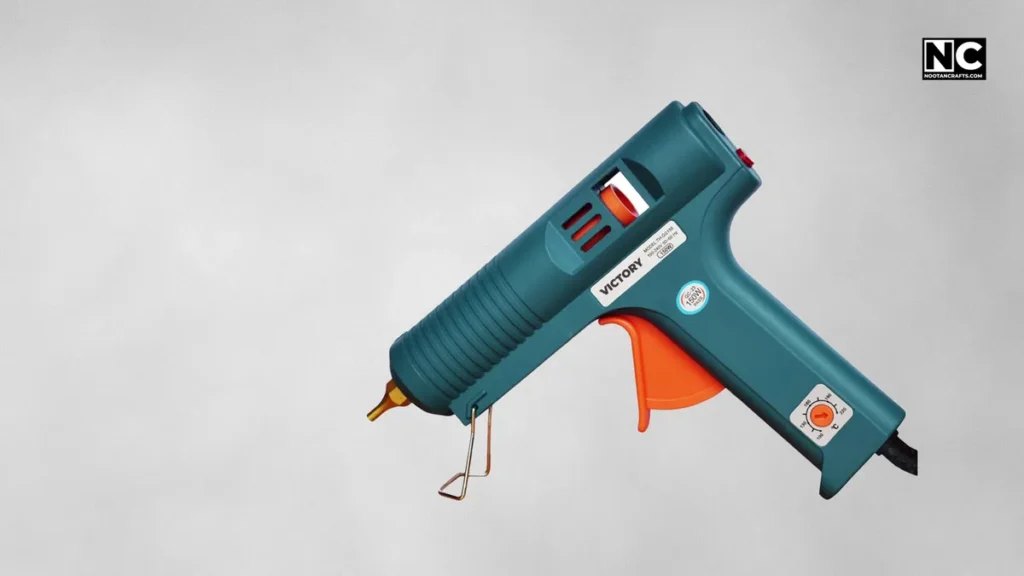
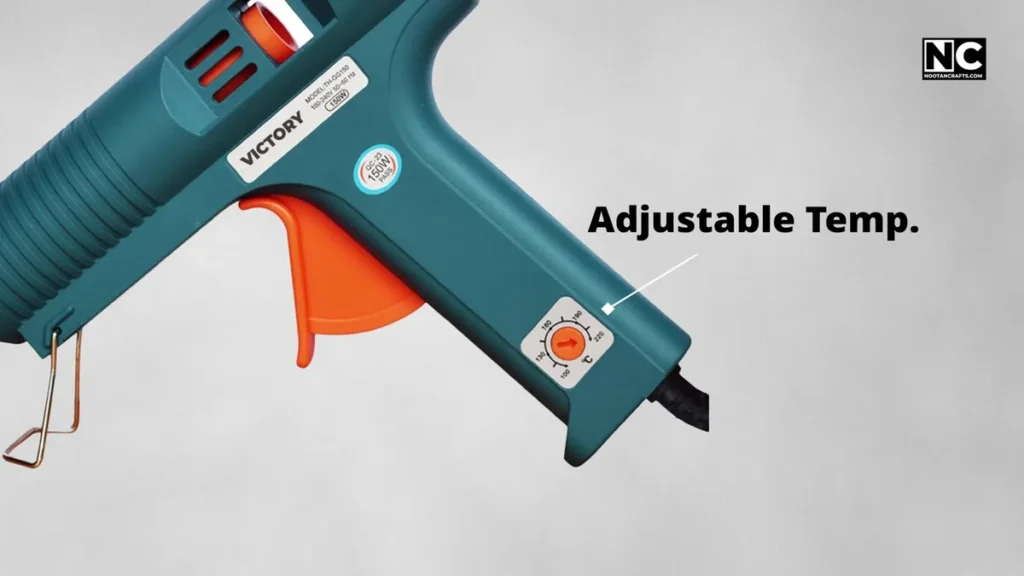
These let you switch between wattage settings (typically 20W and 80W) depending on the material. The most practical option if you do a mix of craft and repair work.
| Type | Use it on | Bond strength | Burn risk |
|---|---|---|---|
| Low temp 10–20W | Paper, fabric, foam, ribbon, children’s projects | Lower. Peels off delicate materials cleanly | Low — this is the one to hand a child |
| High temp 40–100W | Wood, plastic, light metal, real repairs | Strong. The glue flows thin and soaks into the surface | High. It will blister skin on contact |
| Dual temp switchable | Both, if you do a mix | Depends on the setting | Depends on the setting — check which one it is on |
| Type | Wattage | Temp | Best for |
| Low temp | 10–20W | 120–170°C | Paper, fabric, foam, kids’ projects |
| High temp | 40–100W | 170–220°C | Wood, plastic, light metal, repairs |
| Dual temp | Adjustable | Both ranges | Mixed craft and DIY work |
4. Choosing the Right Glue Stick
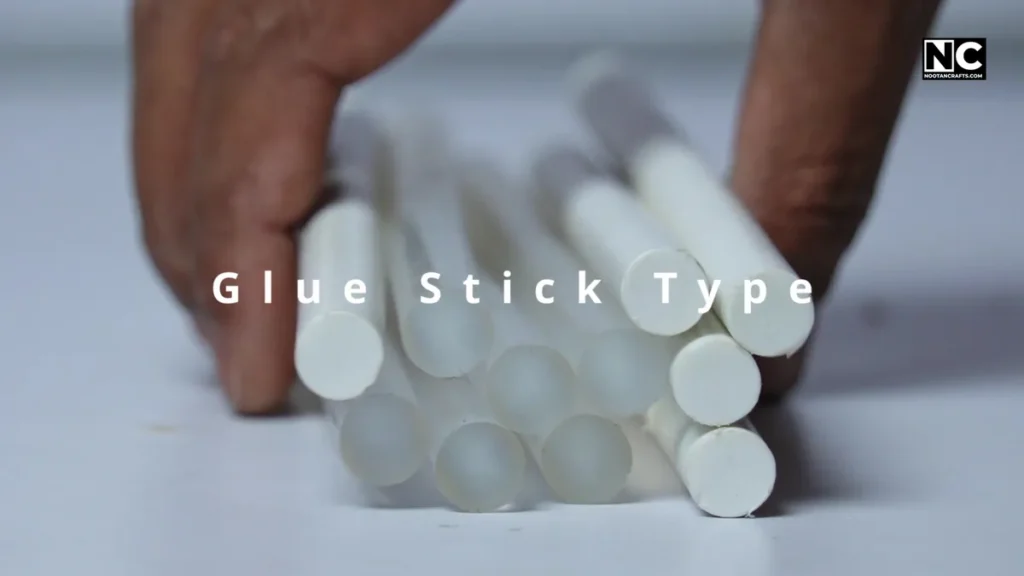
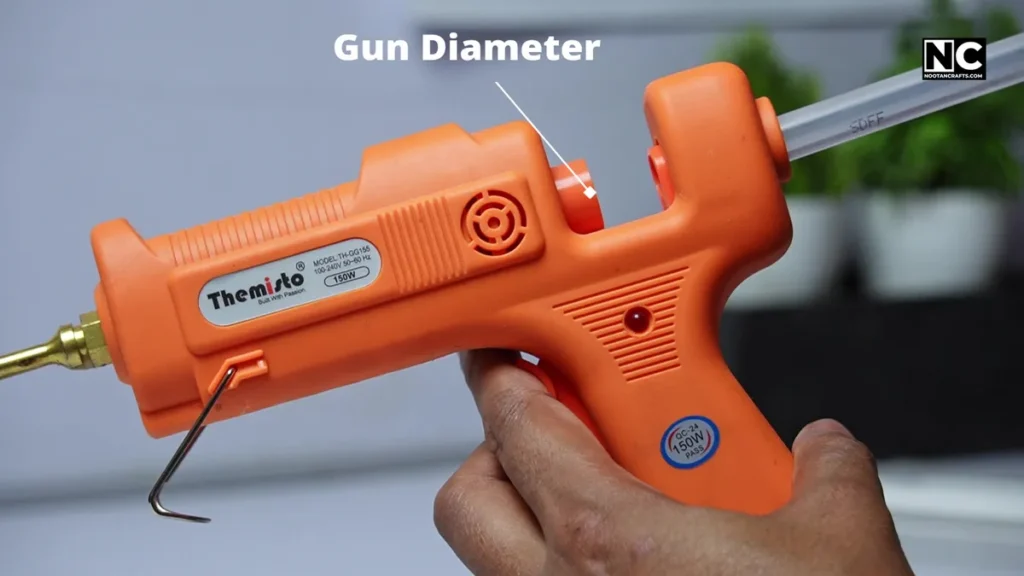
Before anything else, check your gun’s chamber diameter. The three most common stick sizes are 7 mm (about 5/16 in, mini guns), 12 mm (about 7/16 in, general purpose), and 15 mm (industrial). Using the wrong diameter means the stick either won’t fit or won’t feed properly.
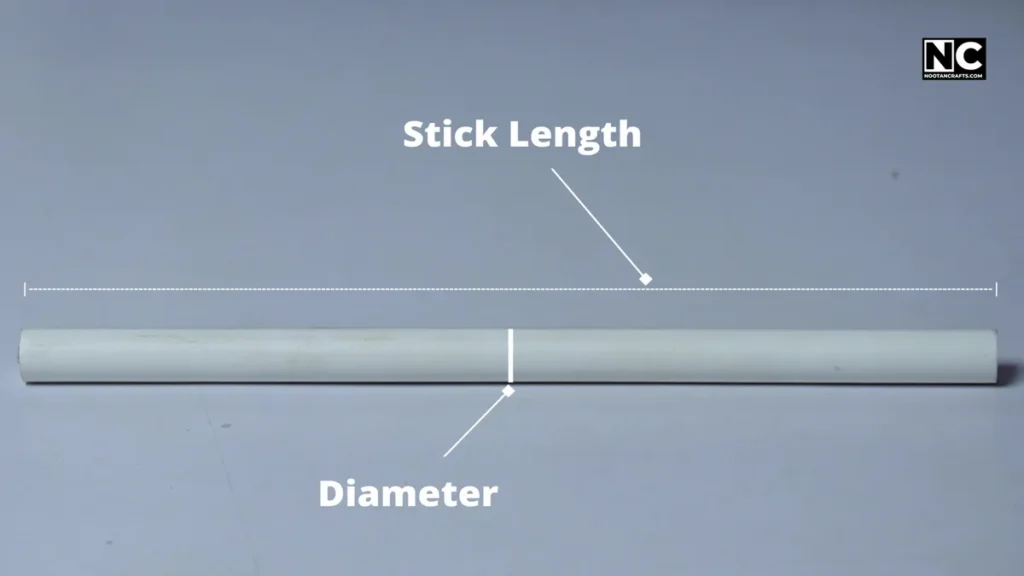
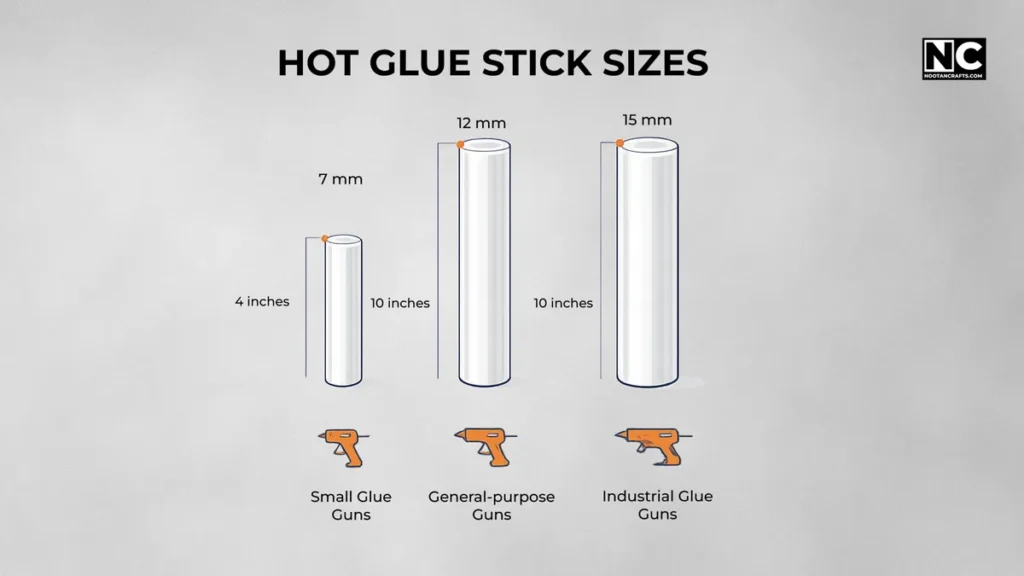
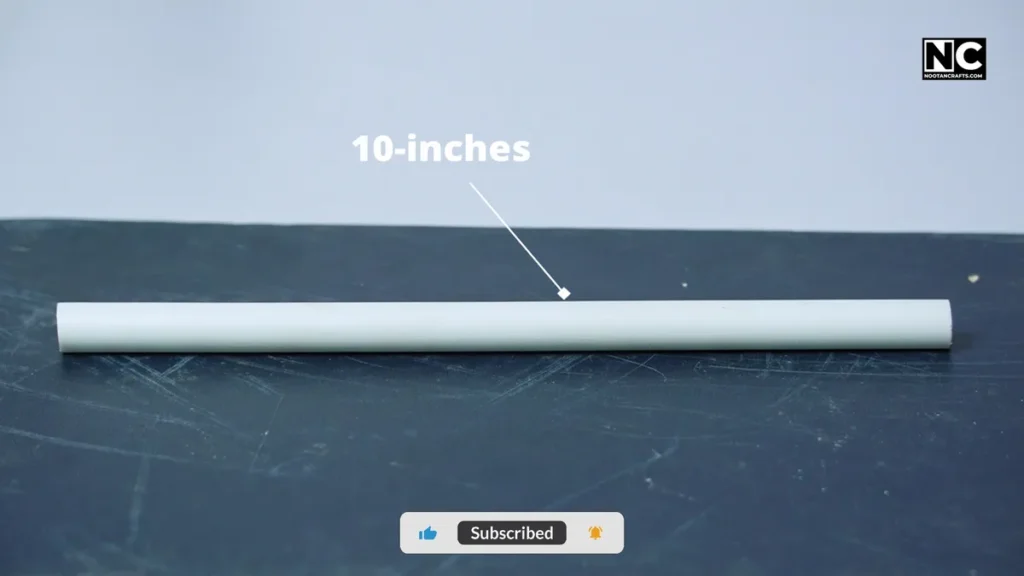
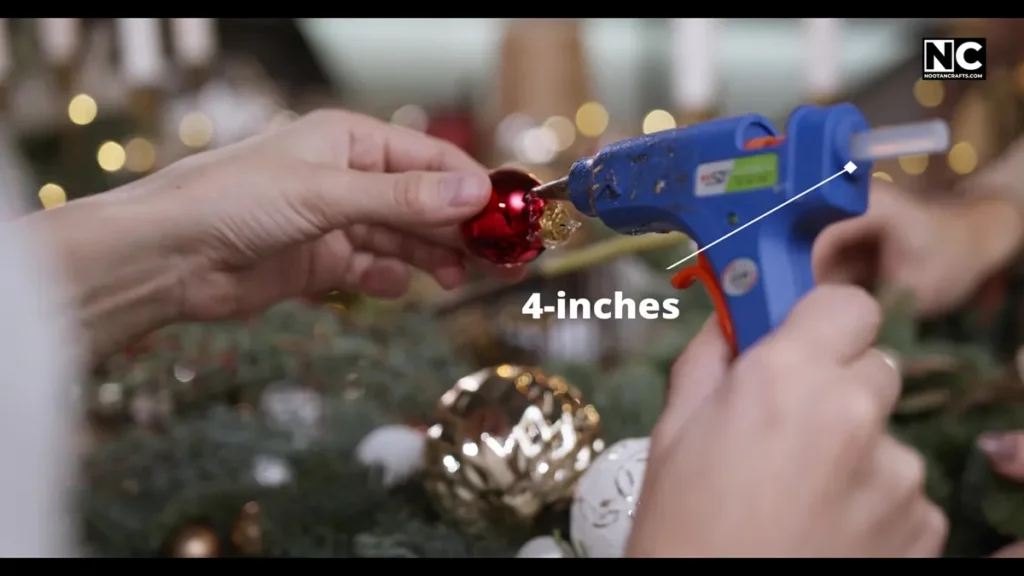
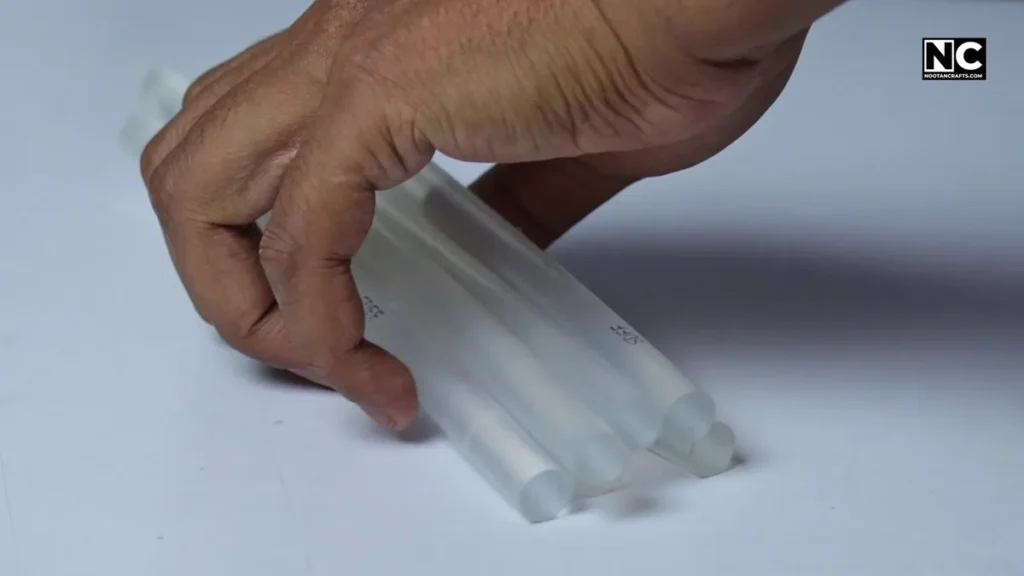
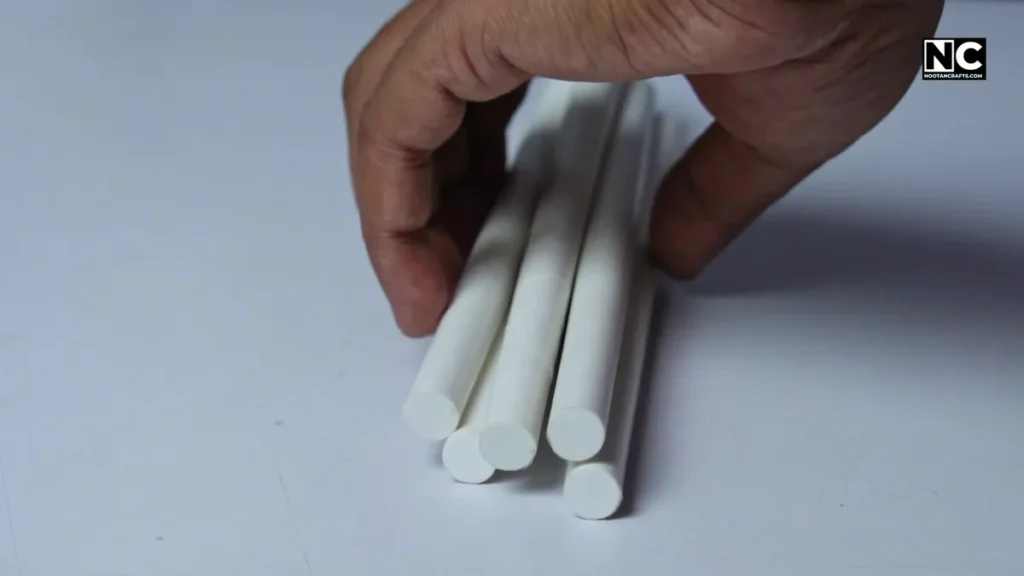
Standard sticks come in 4-inch and 10-inch lengths. The color is usually transparent, though colored sticks are available for craft matching. Specialized sticks for wood, fabric, and plastic also exist—they offer stronger bonding on those materials.
| Diameter | Gun type | Common use |
| 7mm | Mini/small | Light crafts, detail work |
| 12mm | Standard | General purpose |
| 15mm | Industrial | Heavy-duty applications |
5. How to Use a Glue Gun Correctly
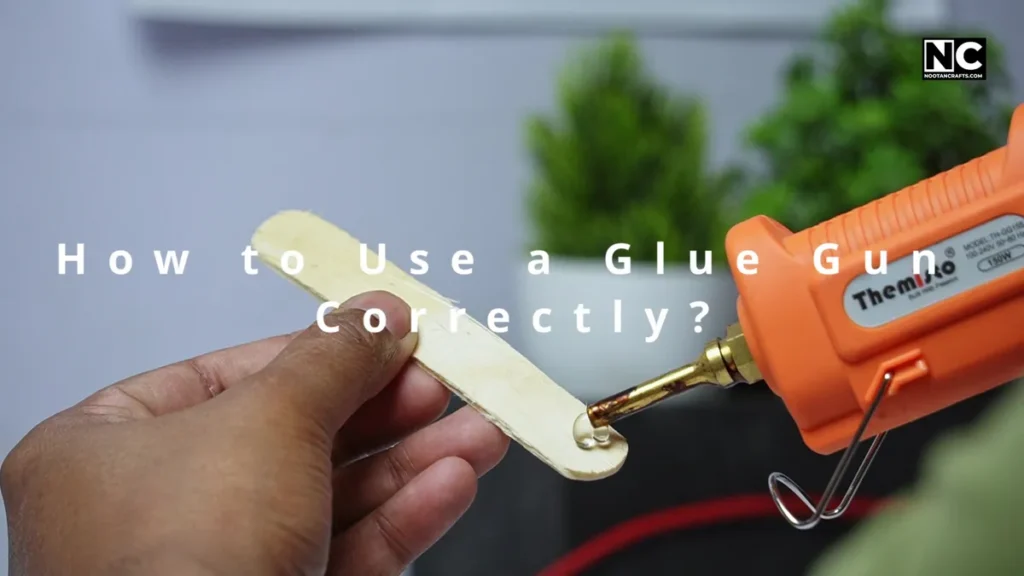
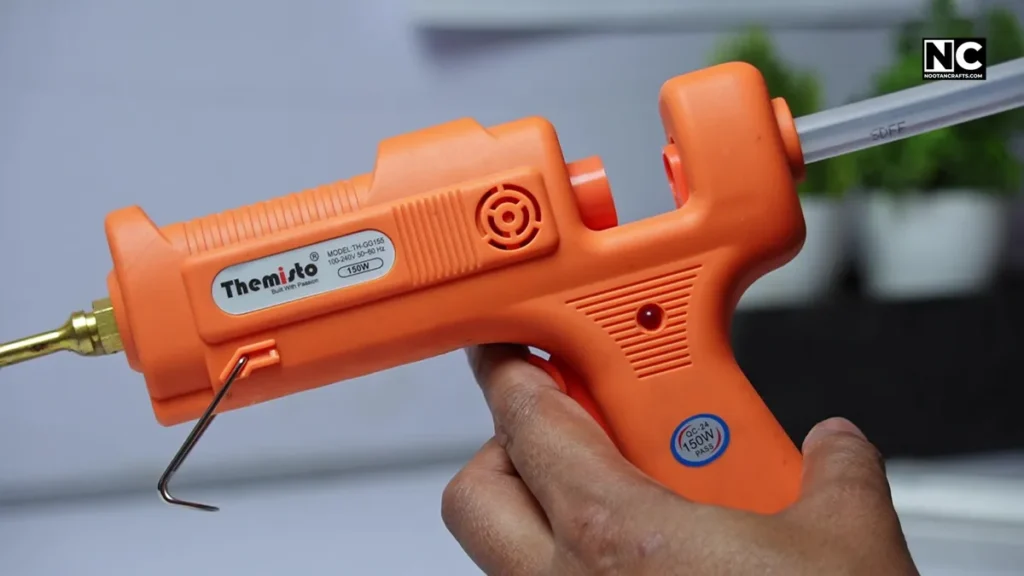
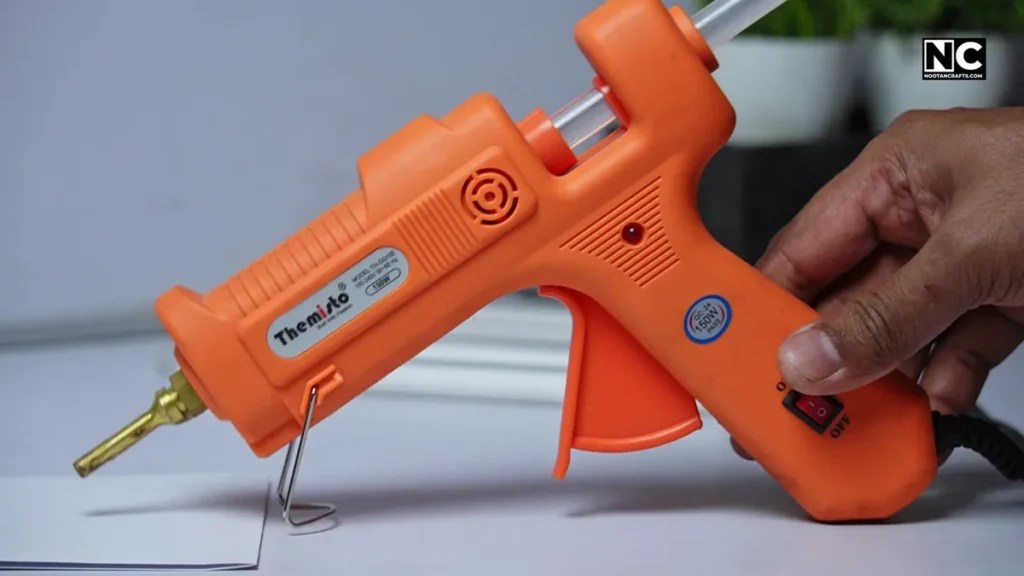
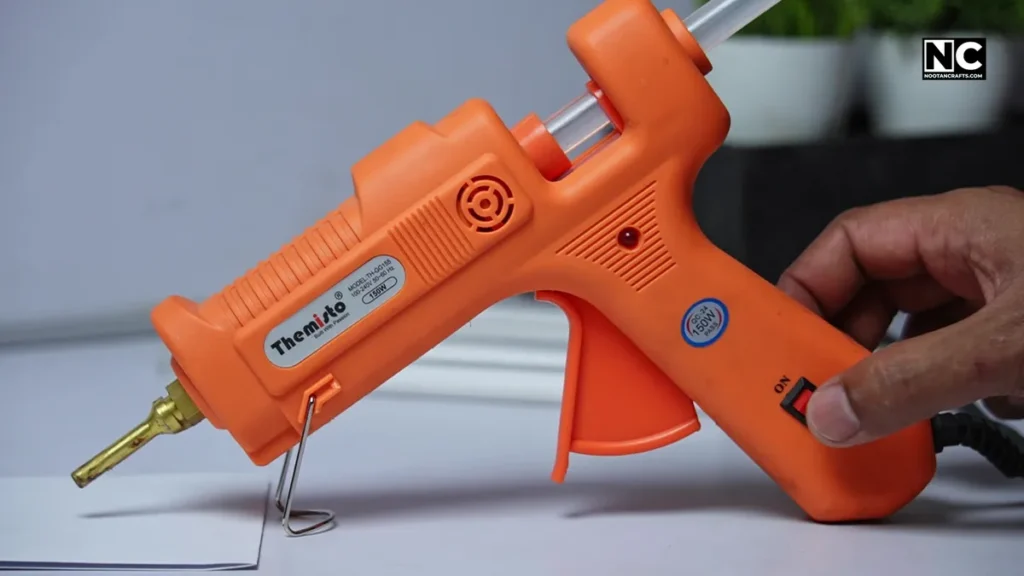
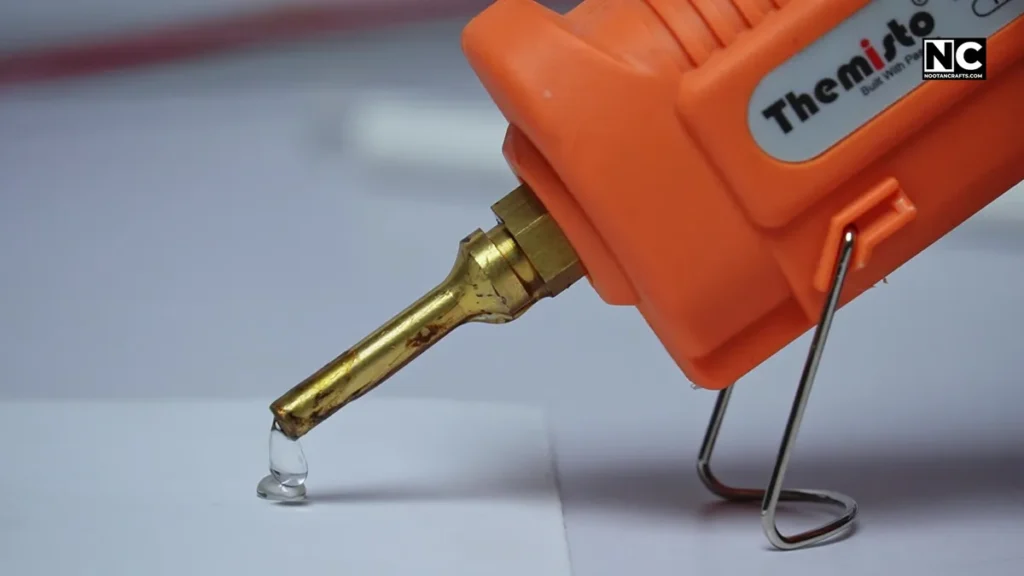
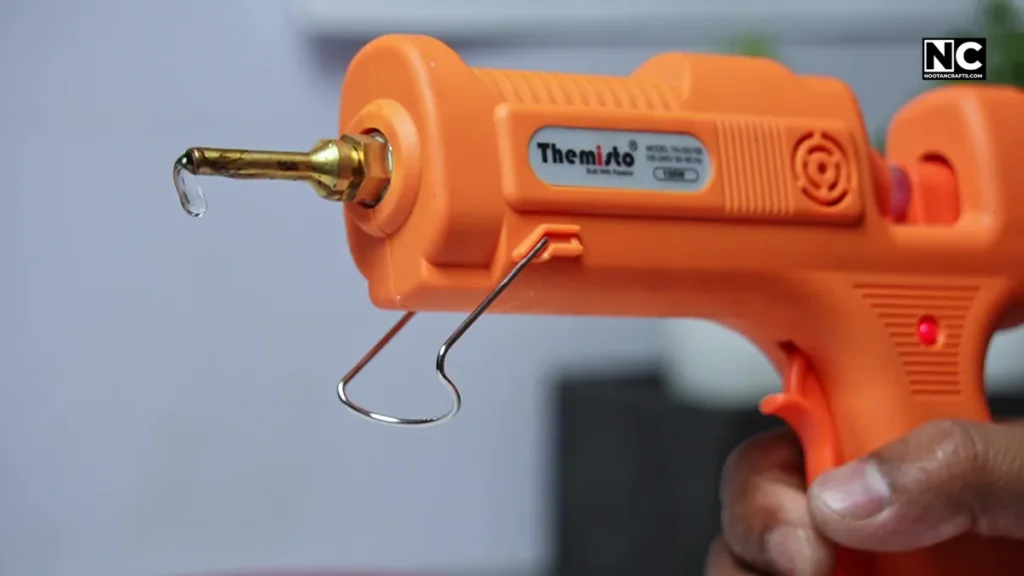
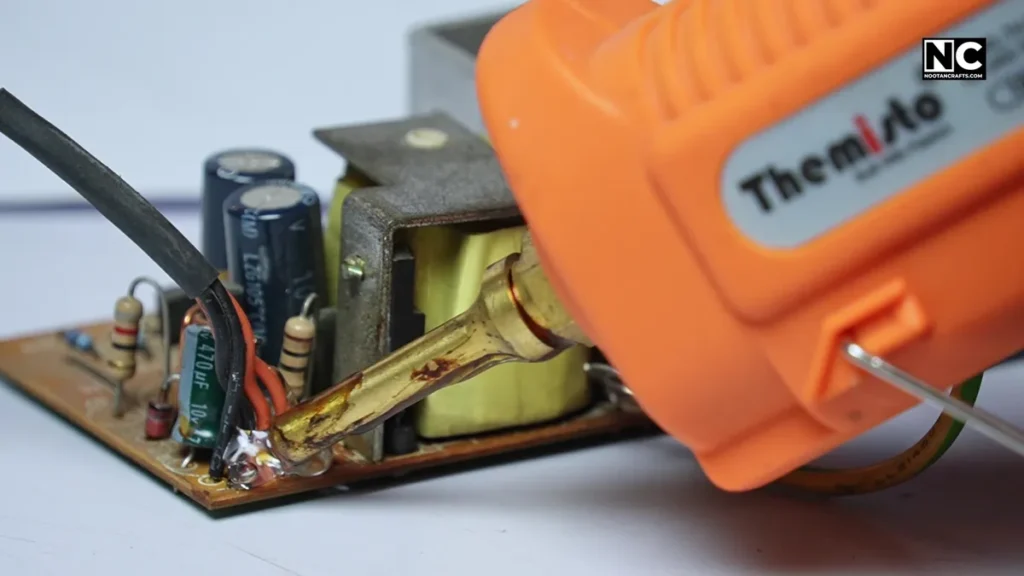
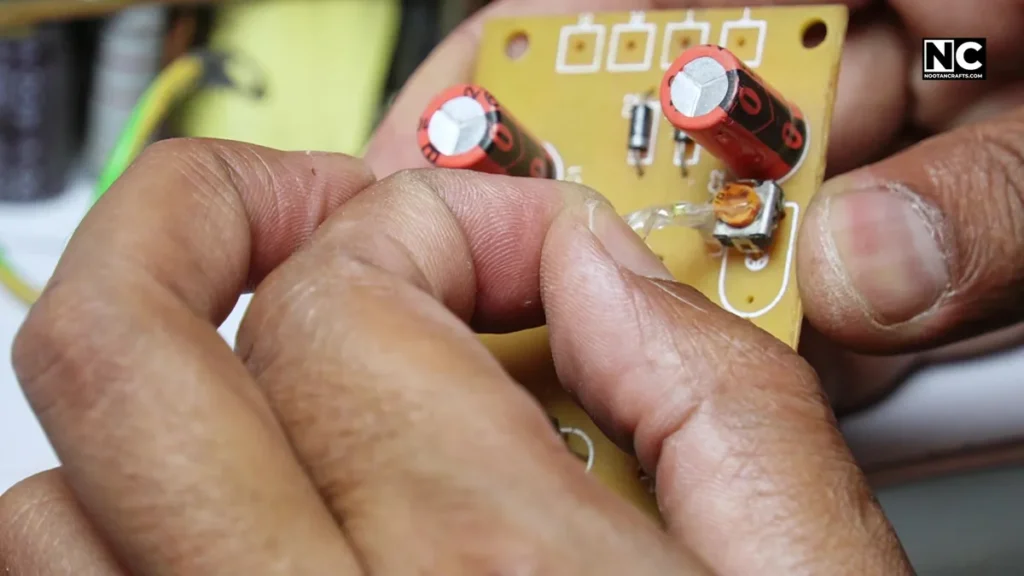
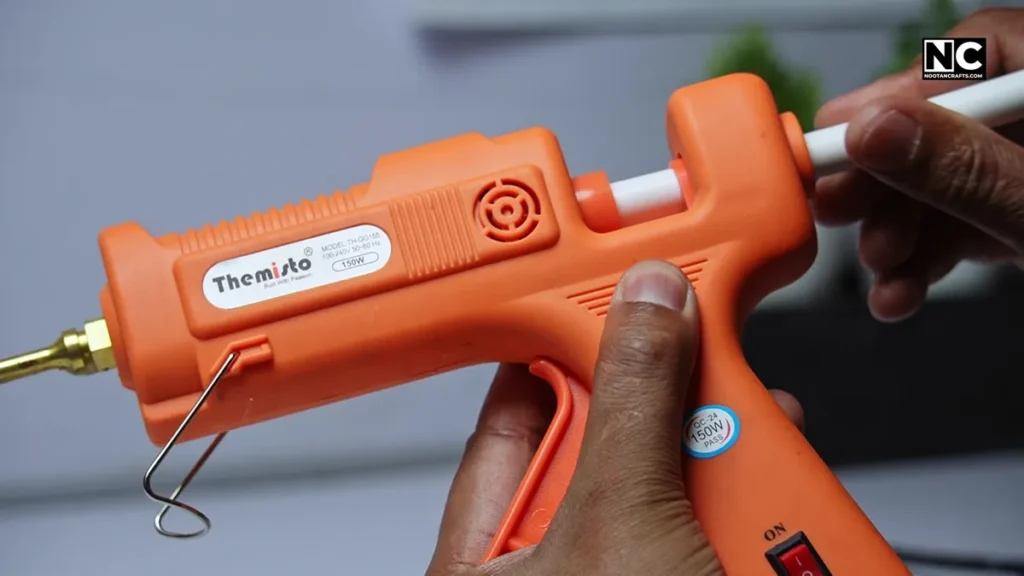
- Insert the glue stick until it seats properly — no forcing required; it should slide in smoothly.
- Place the gun on its stand and switch it on. Wait 3–5 minutes for it to fully heat up.
- Hold the gun comfortably. Do not touch the nozzle at any time—it gets extremely hot.
- Gently press the trigger. If the glue comes out in chunks rather than flowing smoothly, give it another minute.
- Apply glue to your surface, then press and hold the two pieces together for 10–30 seconds.
- Keep trigger pressure consistent — squeezing too hard wastes glue and reduces control.
- If glue goes in the wrong spot, don’t touch it while it’s hot. Let it cool, peel it off cleanly, and redo.
- When the stick gets short, load a new one behind it — the new stick pushes the old one through.
6. Techniques for Better Results
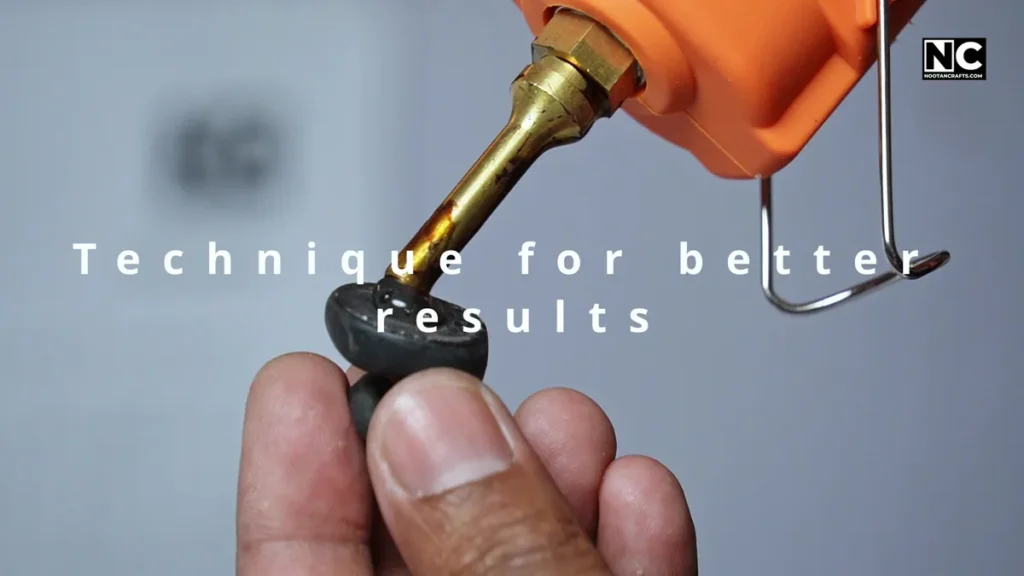
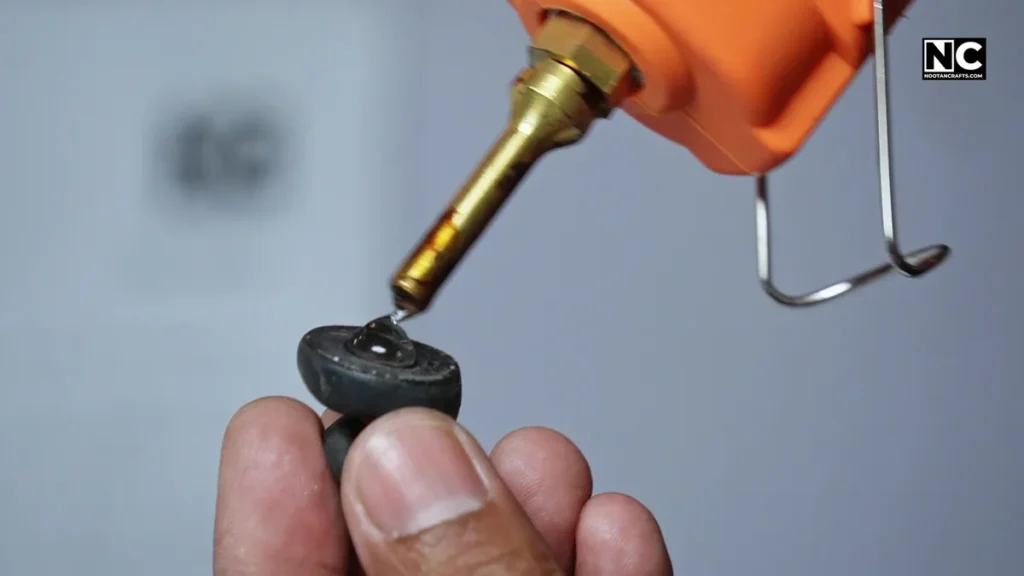
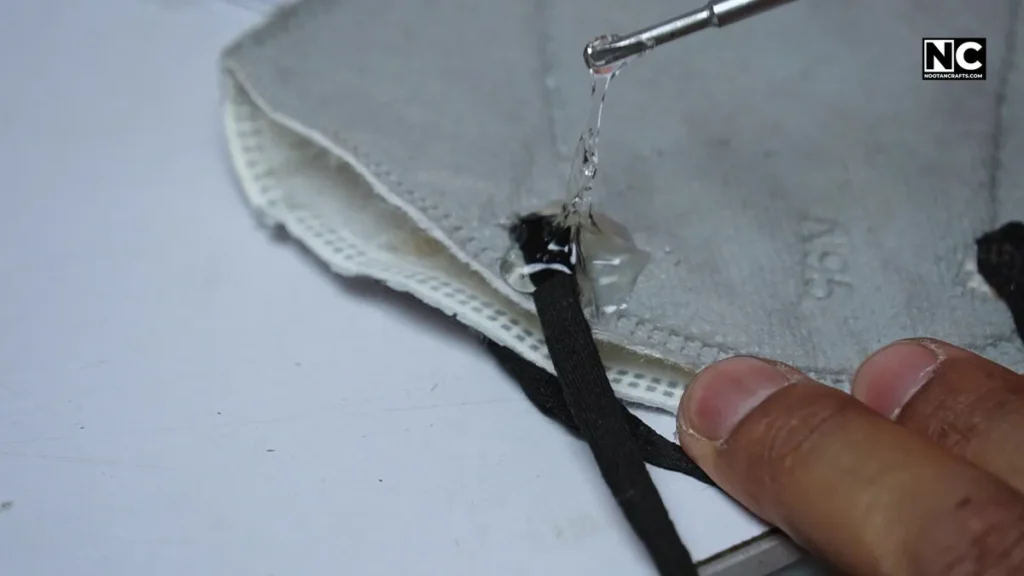
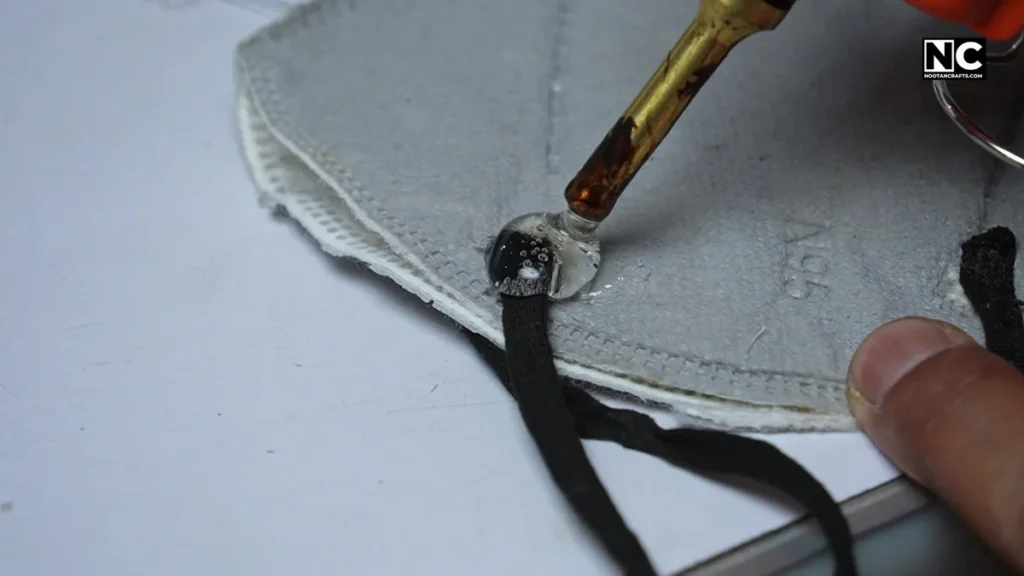
- Avoid stringing: When lifting the gun away, make a small rotating motion—this breaks the strand cleanly instead of dragging it.
- Prep shiny surfaces: Plastic and metal don’t grip well. Lightly scuff the surface with coarse sandpaper first.
- Don’t reshape hot glue: Trying to mold it while it’s still hot makes a mess. Wait until it cools.
- Match the technique to the job: Small dots for lightweight items. A continuous bead (applied in layers) for stronger bonding.
- Warm the surface in cold environments: A quick pass with a heat gun before applying helps adhesion significantly.
7. What You Can and Can’t Glue
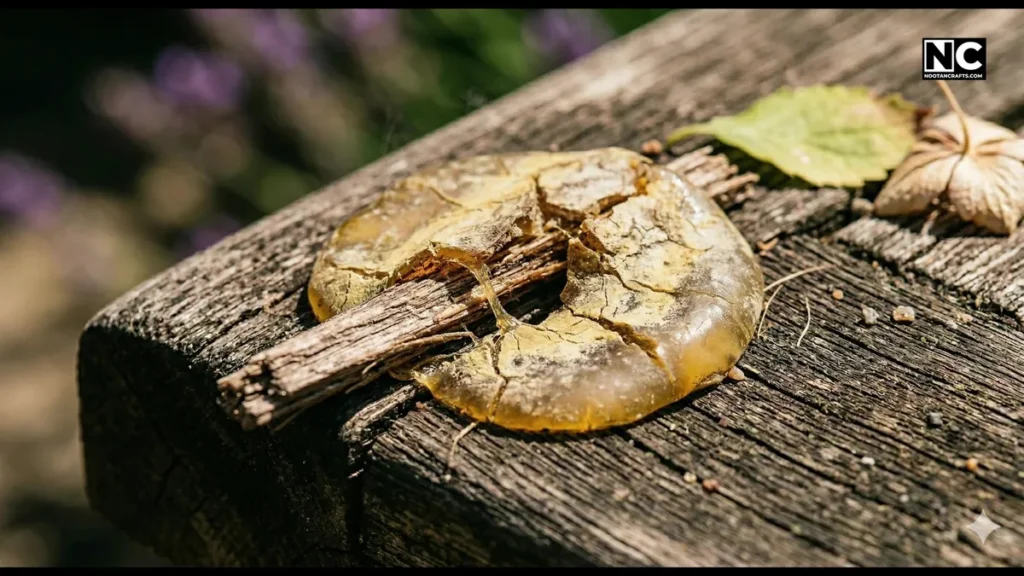
Hot glue needs something to grip onto. Rough surfaces work well — wood, cardboard, paper, fabric, foam, ceramics, and light metals all bond reliably. Smooth or shiny surfaces like polished plastic or glass are problematic without preparation.
Avoid: Applying hot glue to anything that will be exposed to outdoor conditions or sustained heat. The glue can soften, lose its bond, or degrade entirely.
8. Common Beginner Mistakes
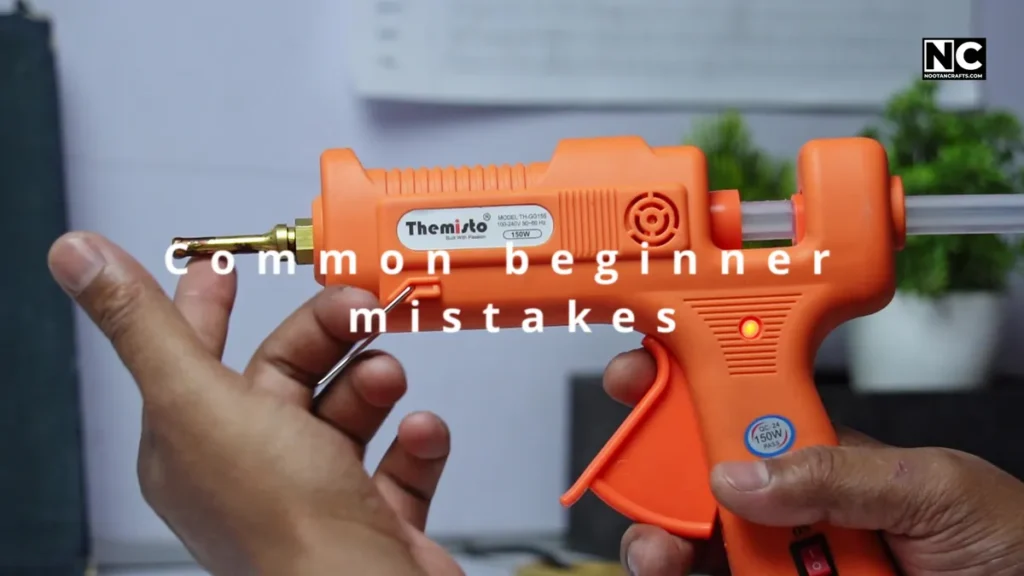
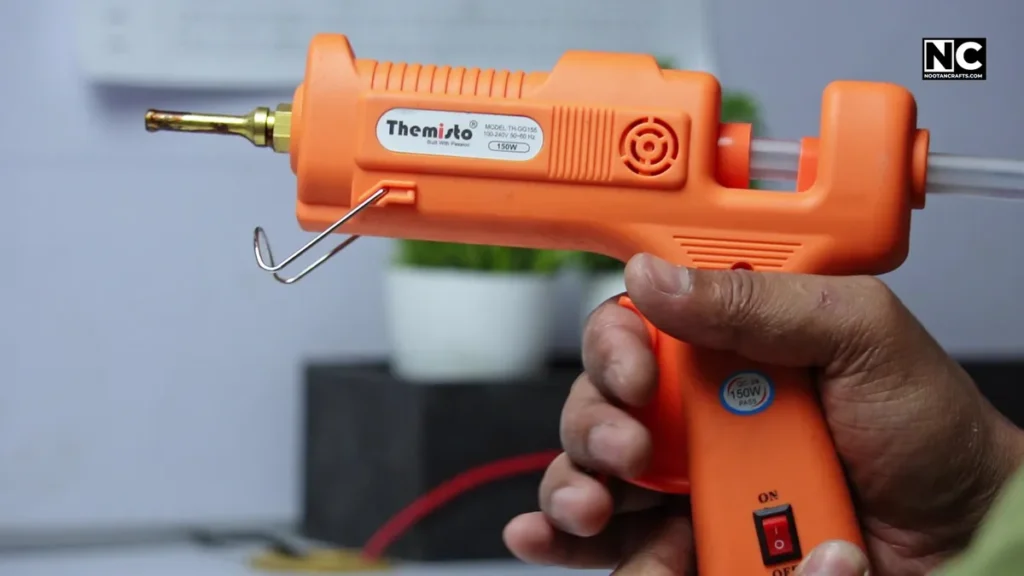
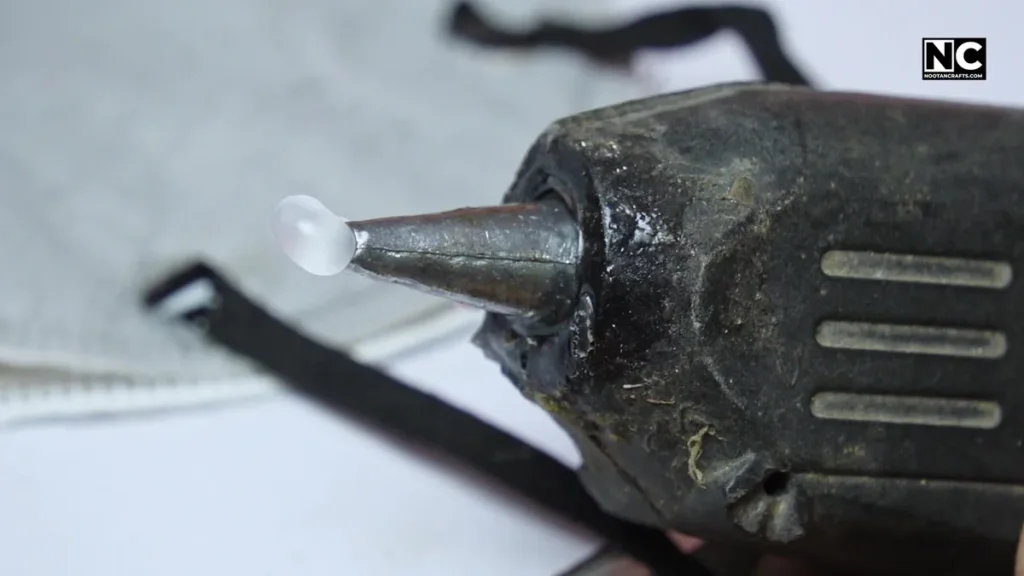
- Squeezing the trigger too hard. There’s a slight delay between pressing and glue flowing. Gripping harder doesn’t speed it up — it just dumps too much glue at once. Apply steady, consistent pressure instead.
- Not waiting for full heat-up. If the gun isn’t fully heated, the glue won’t flow, and you’ll end up pressing harder to compensate. This puts unnecessary strain on the mechanism. Always wait the full 3–5 minutes.
- Using too much glue. More glue doesn’t mean a stronger bond—it usually means a messier join and a longer cooling time. The exception is if you’re insulating wires or filling gaps in electronics.
- Touching hot glue to correct a mistake. Instinct says reach in and fix it. Don’t. Hot glue sticks to skin and causes painful burns. Let it cool, then remove.
- Moving pieces before the glue sets. High-watt guns produce glue that takes longer to fully cool. Give it a couple of minutes before handling. Rushing leads to weak bonds.
9. How to Use a Glue Gun Safely
A hot glue burn is worse than the same heat touched briefly, because the glue sticks and keeps giving off heat
A hot pan burns you for as long as you touch it, and you pull away in a fraction of a second. Hot glue lands on skin and stays there, holding its heat against you while it cools. A hot-melt manufacturer’s own guidance notes that second-degree burns happen when the nozzle touches skin for several seconds, or when glue sticks to the skin for a longer period. That is the whole reason this tool deserves respect it rarely gets.
- Never touch the nozzle while the gun is on, or for several minutes after switching it off.
- Keep it on its stand, upright, whenever you are not actively squeezing the trigger. A gun laid on its side drips onto whatever is underneath.
- Unplug it after use. Not just switched off — unplugged. Do not leave one heating unattended.
- Keep it away from children even when switched off. It stays hot enough to burn long after it stops looking like it is on.
- Work over a surface you do not mind marking, and never over your lap.
If you do get hot glue on your skin: hold it under lukewarm running water for 10 to 15 minutes. Not ice, and not ice-cold water — those can do further damage to already burned skin. Take the glue off only if it lifts away easily; do not pull at glue that has stuck. If it will not come off, or the burn blisters or covers a large area, get medical advice rather than working at it yourself. (Guidance from Bühnen, a hot-melt adhesive manufacturer.)
Common Questions
Why does my glue come out in strings?
Two causes. The gun is not fully up to temperature, so the glue is thick rather than fluid — give it the full three to five minutes. Or you are lifting straight up at the end of a bead. Twist the nozzle slightly as you pull away and the strand breaks cleanly instead of trailing.
Why won’t hot glue stick to plastic?
Because there is nothing for it to grip. Hot glue holds mechanically, keying into surface texture, so a polished plastic or glass surface gives it nothing. Scuff it with coarse sandpaper first and the same glue holds fine.
Is hot glue waterproof? Can I use it outdoors?
No on both counts, for the same reason: it is a thermoplastic. It softens as it warms, so anything left in the sun or near heat will creep and let go. Standard hot glue is for indoor, room-temperature work.
How long does hot glue take to set?
It grabs in under a minute and reaches full strength in a few minutes. High-temperature guns lay down hotter glue, so theirs takes longer to cool — the extra open time is useful for positioning, but it means waiting before you load the joint.
Can I use a glue gun on fabric?
Yes, with a low-temperature gun. A high-temperature one soaks through thin fabric and can melt synthetics. For anything that will be washed repeatedly, fabric glue or stitching outlasts hot glue.
Can I leave a glue gun plugged in between jobs?
Don’t. It is a heating element with no thermostat cut-out on most models, sitting on a bench with glue oozing out of the nozzle. Unplug it whenever you step away.
Does the brand of glue stick matter?
The diameter matters more than the brand — match it to your gun’s chamber, or it will not feed. Beyond that, specialist sticks for wood, fabric and plastic do bond better on those materials than general-purpose clear sticks.
Controlling Every Drop
A glue gun is a simple tool — but using it well comes down to timing, control, and understanding how the glue behaves. Most people just press the trigger and hope. Wait for full heat, press steadily rather than hard, rough up anything shiny before you glue it, and give the bond a minute before you load it.