You need primer when the surface is new or porous (bare wood, drywall, raw metal, concrete), when you’re covering a stain or going from dark to light, or when the surface is glossy or laminate. You can usually skip it when you’re repainting a smooth wall in the same color it already is. Skip it in the wrong situation, and the paint doesn’t fail gracefully — it peels, blotches, or lets the old stain bleed straight through.
| Situation | Need primer? | Why |
|---|---|---|
| Bare wood, drywall, raw metal, concrete | Yes | Porous surfaces absorb paint unevenly and leave blotchy patches without it |
| Water stains, rust, marker, smoke damage | Yes — stain-blocking primer | Paint alone doesn’t seal a stain; it bleeds back through every coat |
| Dark color going to a light one | Yes — gray or tinted primer | Without it you’re fighting the old color for three or four coats |
| Glossy paint, laminate, plastic | Yes — bonding primer | New paint beads and slides off a slick surface instead of gripping it |
| Repainting the same color on a sound wall | No, usually | Nothing new for the paint to fight — same sheen, same color, same surface |
| Small touch-up or short-term craft piece | Optional | Durability isn’t the point of a piece that won’t be around in a year |
If the house was built before 1978, assume the old paint contains lead until a test says otherwise
Priming usually starts with sanding, and sanding old paint is how lead gets into the air and onto the floor. Lead paint was not banned for residential use in the United States until 1978, so anything older is suspect. The dust is the hazard, not the intact paint film — the EPA notes that lead dust can form even in a well-maintained home once paint is scraped, sanded or heated.
- Test before you sand on any pre-1978 surface. Swab kits cost very little and take a minute.
- Keep children and pregnant women out of the work area entirely, and out of the rooms beside it while dust is in the air.
- Wet-sand rather than dry-sand where you can, and never put a power sander on suspect paint — it makes the finest and most airborne dust of all.
- Shellac and oil-based primers are flammable and give off strong solvent vapor. Ventilate, and no pilot lights or open flame in the room.
- Vacuum, do not sweep. Sweeping lifts settled dust straight back into the air.
What’s Inside!
Why Primer Actually Does Something
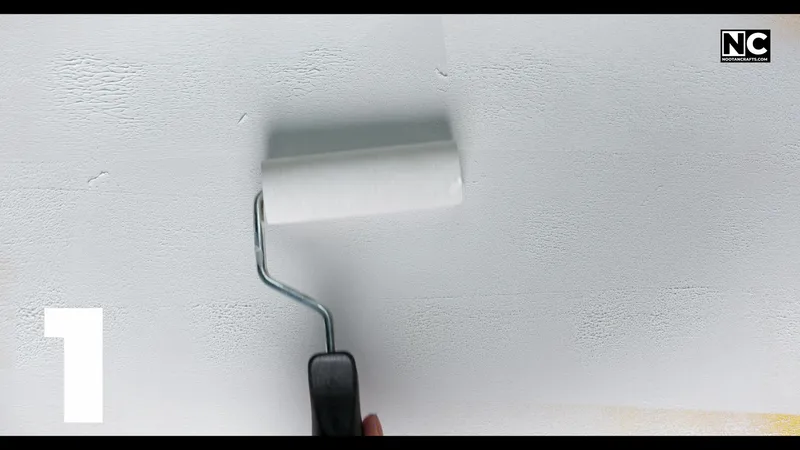
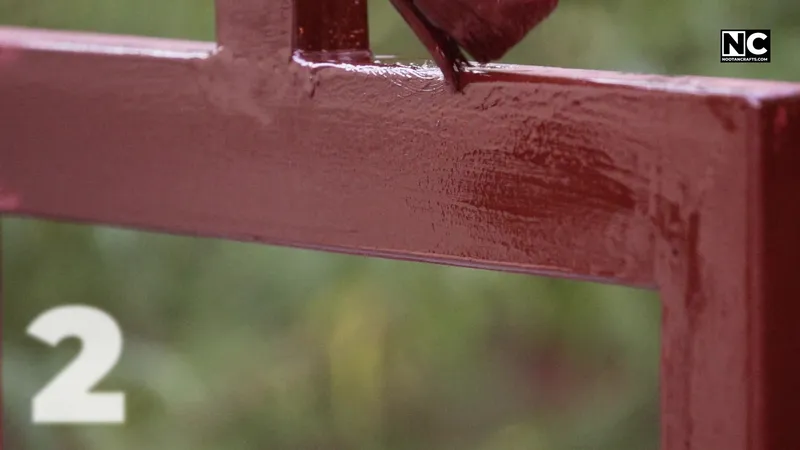
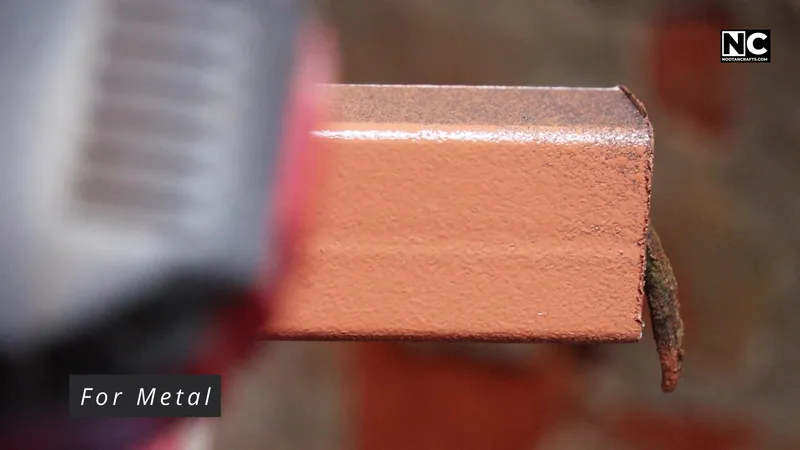
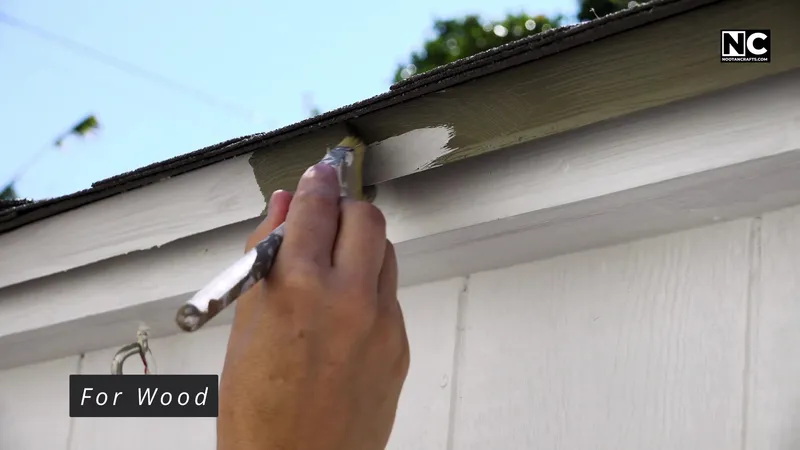
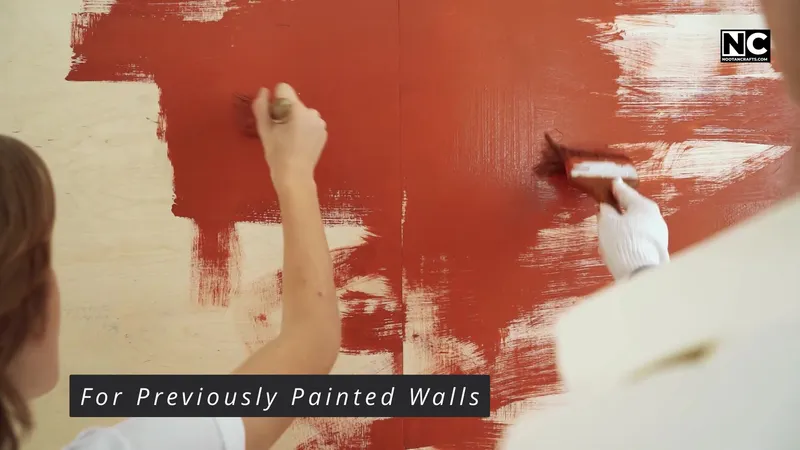
Primer isn’t just thinner paint. It’s built to bond hard to a bare surface and give the topcoat something consistent to grip, so think of it as the layer that does the gripping so your paint doesn’t have to. On raw wood or drywall, it also seals the surface — paint sprayed onto unsealed wood can take nearly double the coats to look even because the wood drinks half of every coat before it gets a chance to sit on top and cure.
The primer itself isn’t one-size-fits-all. White primer is the standard for walls. Gray or tinted primer earns its keep specifically on a dark-to-light color change, because it neutralizes the old color instead of leaving your first two topcoats fighting it. On metal, a red oxide or zinc-based primer matters — it keeps rust from forming under the paint, not just cosmetic coverage.
Do You Really Need Primer Before Painting — Video
- White primerThe default for walls and ceilings. Cheapest, and right for most jobs
- Gray or tinted primerEarns its keep only on a dark-to-light change. It neutralizes the old color so the topcoat is not fighting it
- Stain-blockingShellac or oil-based. The only thing that stops water stains, smoke, rust and marker bleeding back through
- Bonding primerFor glossy, laminate and tile — surfaces where ordinary primer has nothing to grip
- Metal primerRed oxide or zinc-based, to stop rust returning under the paint
- Masonry primerAlkali-resistant, because fresh concrete and render attack ordinary primers
Where This Goes Wrong
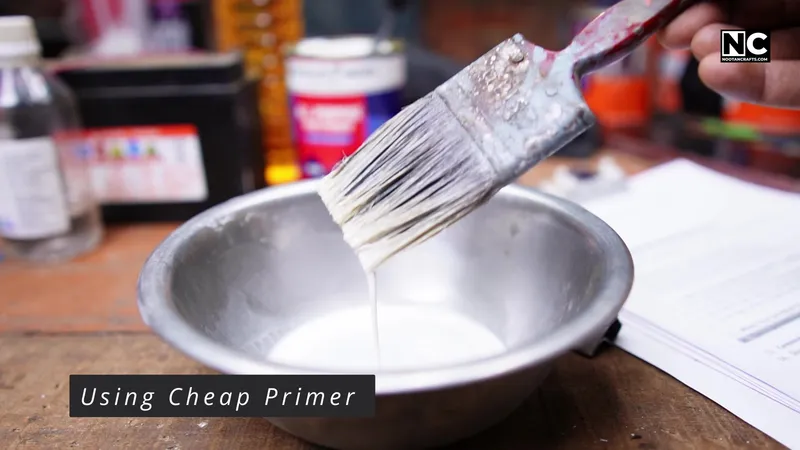

- Buying the cheapest primer on the shelf. A thin, watery primer looks like it’s covering while it’s wet and does almost nothing once it dries — it doesn’t actually seal the surface underneath it.
- Painting over primer before it’s dry. Most primers need one to four hours; humid conditions can push that to overnight. Paint over a primer that’s still tacky and the topcoat peels within weeks, the same way it would over any surface that wasn’t ready.
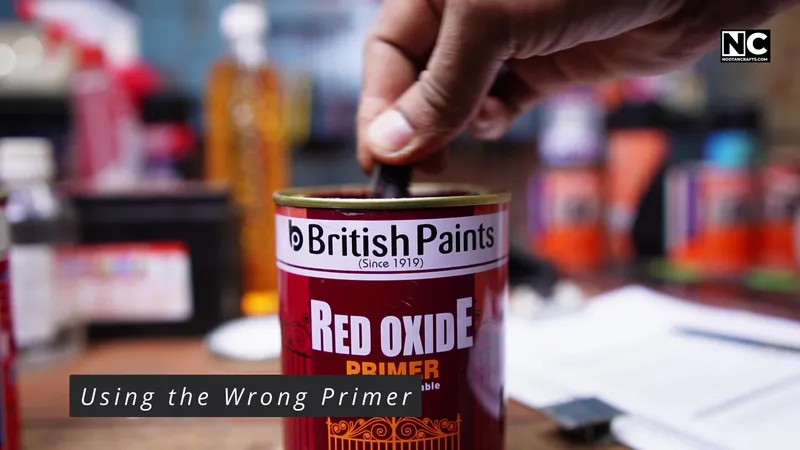
- Using the wrong primer for the material. A wall primer on bare metal doesn’t stop rust — it just delays you noticing it. Match the primer to the surface: sanding sealer or stain-blocker for wood, red oxide or zinc for metal.
- Applying it thick. A heavy coat dries slower and grips worse than two thin ones. If it’s taking more than a day to dry, it went on too thick.
Best Primer


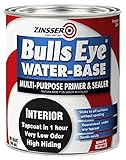

Last update on 2026-10-15 / Affiliate links / Images from Amazon Product Advertising API
Primer Questions People Actually Ask
Is primer always necessary before painting walls?
No. If the wall is smooth, sound, and you’re staying with the same color, you can skip it. You’re trading a little durability for the time saved, which is a fair trade on a wall that’s already in good shape.
Can I just use white paint instead of primer?
No — paint and primer are formulated to do different jobs. Paint isn’t built to seal a stain or bond to a slick surface the way primer is, so it won’t stop bleed-through or fix adhesion problems.
How long should I wait after applying primer?
Check the label, but plan on one to four hours in normal conditions and overnight in humid ones. Painting over primer that’s still tacky is the single most common way people ruin an otherwise good paint job.
Do paints with built-in primer actually work?
For touch-ups or a wall that’s already in decent shape, yes. For anything demanding — raw wood, metal, a stain, a big color change — they’re not a substitute for a dedicated primer.
What happens if I skip primer somewhere I needed it?
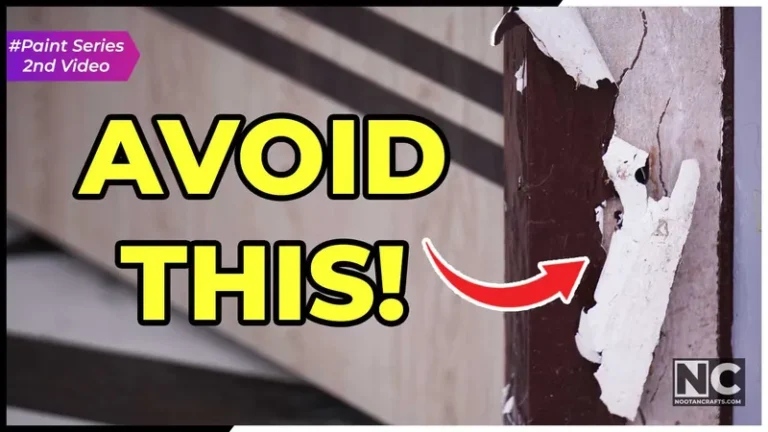
Peeling, flaking, blotchy coverage, or a stain bleeding back through every coat you add. None of those are fixed by adding more paint — the fix is stripping back and priming properly.
Primer isn’t the interesting part of a paint job, but it decides whether the interesting part holds up. Match it to the surface, give it time to dry, and the topcoat does the rest.