Structural vs Non-Structural Plywood: The Real Difference
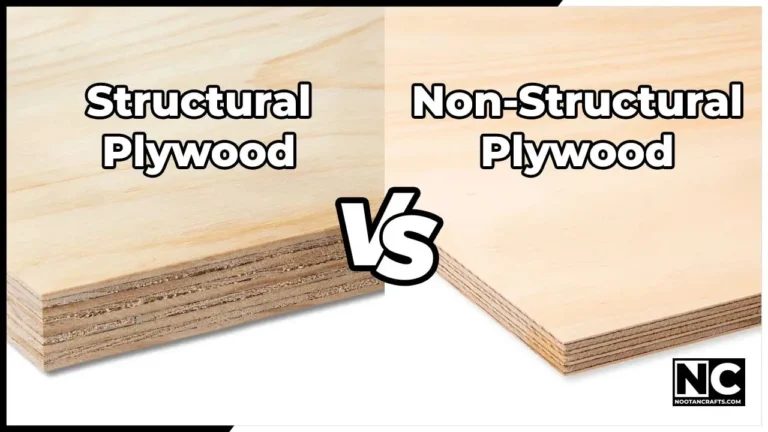
US plywood carries two separate ratings: one for strength, one for moisture. Structural vs non-structural answers only the first. Here is how to read both off the stamp.
Your go-to resource for mastering DIY skills and techniques. Step-by-step instructions and expert tips to help you become a proficient crafter in woodworking, electronics, metals, and marble.
US plywood carries two separate ratings: one for strength, one for moisture. Structural vs non-structural answers only the first. Here is how to read both off the stamp.
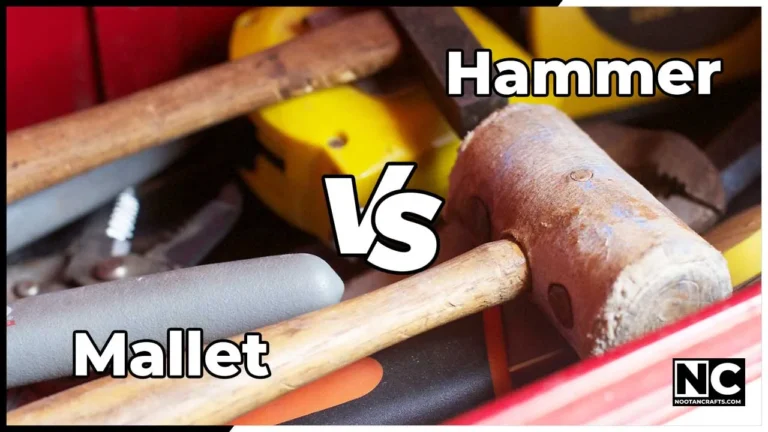
Use a mallet when the surface must survive the strike. Use a hammer when the job needs force. Why a soft face does not dent, and what to use when you have no mallet.

A vernier caliper reads to 0.02 mm with no battery and a principle three hundred years old. Least count, a worked reading example, all three measurement types, and the errors that look like real numbers.
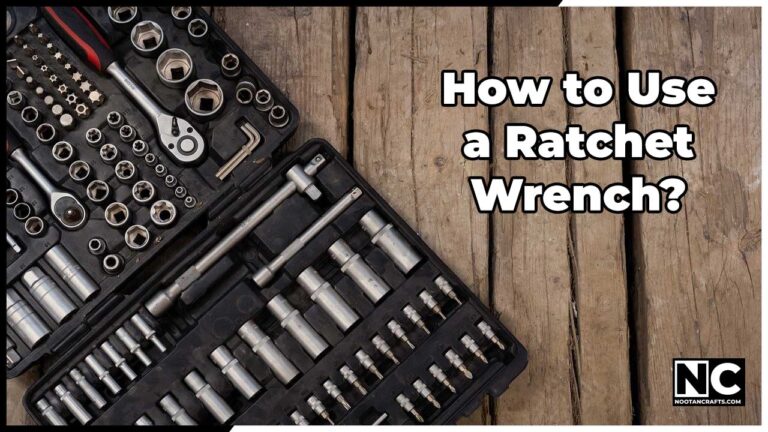
When I bought my first socket set, a Stanley 46-piece with a 1/4 inch square drive, the ratchet was the part I was most excited about. So I used it for everything. Then I met a tight bolt, leaned on the handle, and the ratchet jammed. I got lucky. I worked it back and forth … Read more

Voltage across, current through, resistance with the power off. Get those three straight and the rest of the dial is a variation – starting with the one mistake that causes multimeter injuries.

My grandfather could run a hand saw straight through a board without it sticking once. I watched him do it and thought it looked easy. I was younger and stronger than him, so I was sure I could push harder and cut faster. I tried. The saw jammed. I pulled it free, pushed again, and … Read more

Three ways to slow a grinder, what speed each job actually wants, and the DIY SCR controller that runs any brushed tool up to 2,500 W.

Lost the pin spanner? Four ways to get the flange nut off, the thread and speed chart for refitting, and the one improvised method that wrecks grinders.

Cut metal with an angle grinder by fitting a thin (1 mm) abrasive cut-off disc rated at or above the grinder’s free speed, clamping the work on both sides of the line so it can’t sag and pinch the disc, and letting the disc’s own speed do the cutting rather than leaning on it. That’s … Read more

Three controls run this drill, and one missing feature explains every mistake it lets you make. Speed and mode by material, plus the ten-year maintenance list.