Best Drill Bits for Metal 2026: Why Titanium Fails on Aluminum
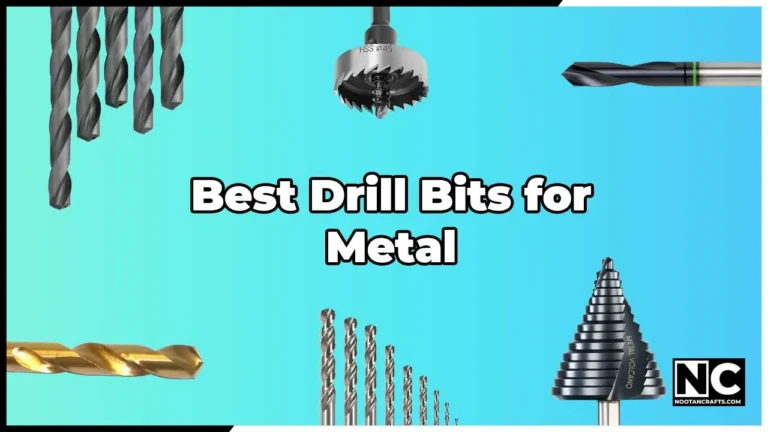
HSS for soft metals, cobalt for stainless and hardened steel, carbide-tipped for tool steel and titanium. Full hardness table plus why bits snap.
HSS for soft metals, cobalt for stainless and hardened steel, carbide-tipped for tool steel and titanium. Full hardness table plus why bits snap.
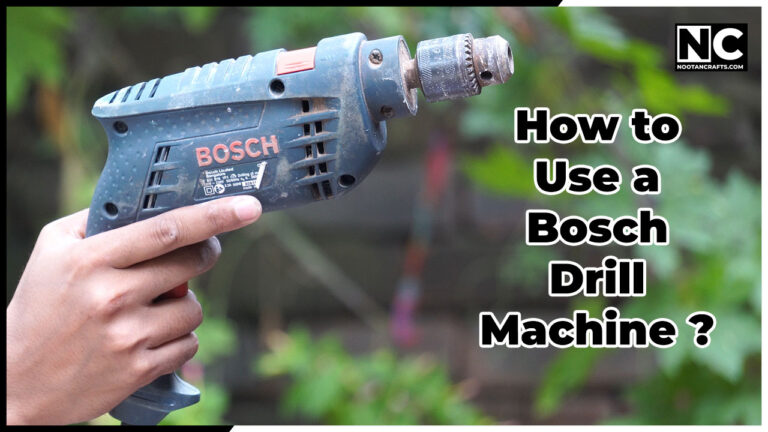
Three controls run this drill, and one missing feature explains every mistake it lets you make. Speed and mode by material, plus the ten-year maintenance list.

Nine handheld types plus drill presses and mag drills, compared in one table – and the two that cover almost every hole a home workshop drills.
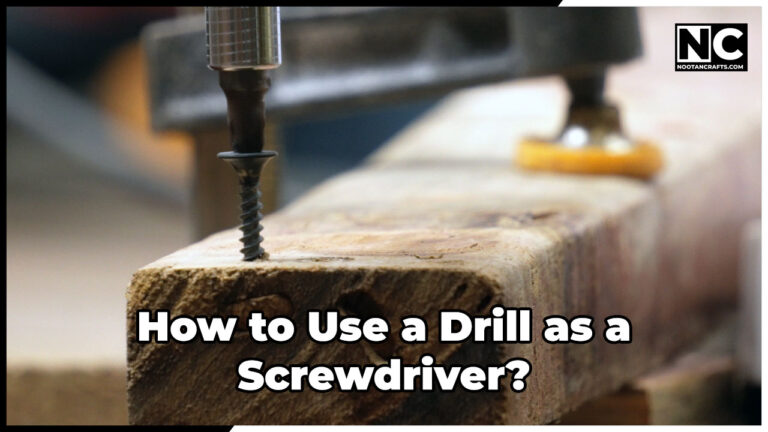
A drill drives screws perfectly well, provided it has a torque clutch and you actually set it. That numbered collar is the entire difference.
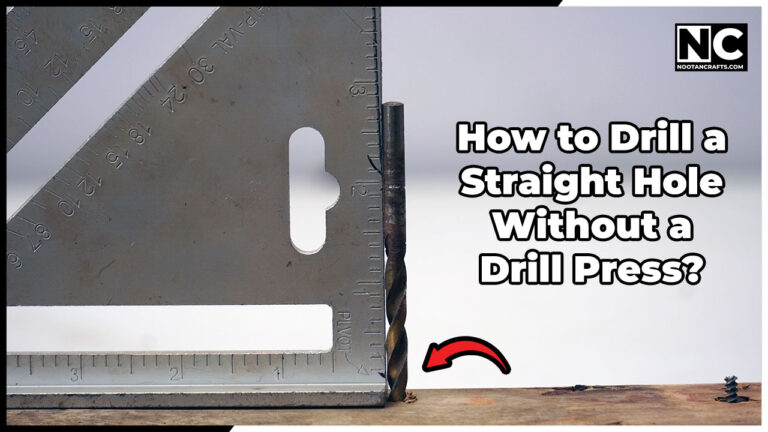
Your eye cannot judge vertical as well as it believes. The fix is never to try harder – it is to give the bit something physical to follow.

The glaze is a brittle skin under compression, so a bit that skates before it bites scratches a starting point for a crack. Beat that first moment and the rest is straightforward.
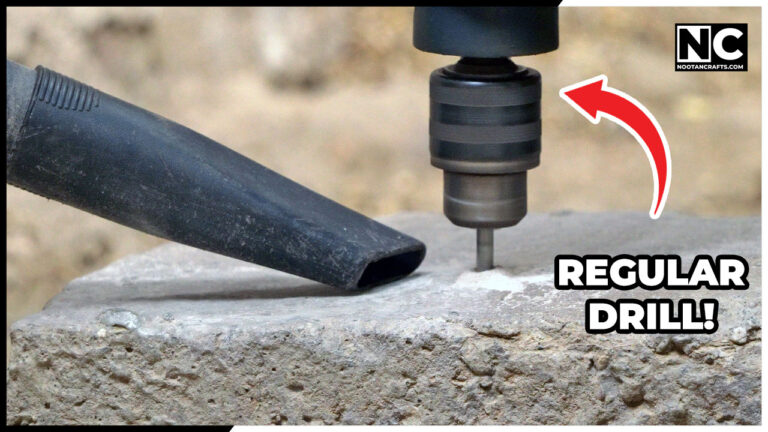
Masonry bit, impact mode, and your body weight behind it. Plus the method that works when your drill has no percussion at all – which is what the question usually means.
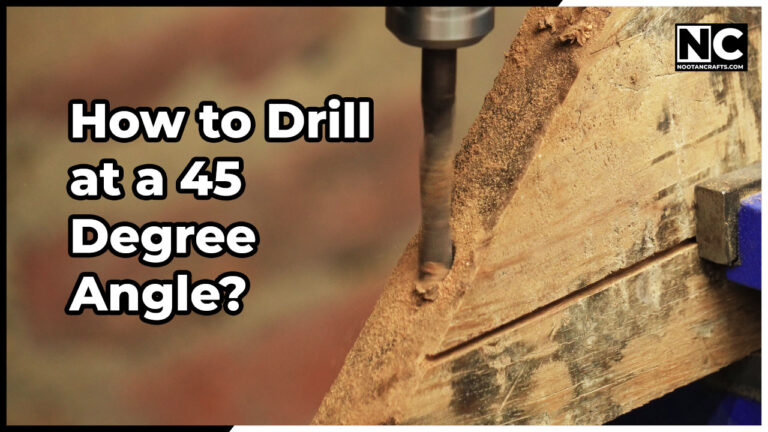
A drill bit will not start on a slope. Every method here is really a way of solving that first quarter-second.

Metal is drilled slowly, with weight rather than speed, and with something wet on the cut. Heat takes the temper out of the bit and hardens the hole.