11 Types of Drill Machines – and the 2 You Actually Need

Nine handheld types plus drill presses and mag drills, compared in one table – and the two that cover almost every hole a home workshop drills.
Your go-to resource for mastering DIY skills and techniques. Step-by-step instructions and expert tips to help you become a proficient crafter in woodworking, electronics, metals, and marble.
Nine handheld types plus drill presses and mag drills, compared in one table – and the two that cover almost every hole a home workshop drills.
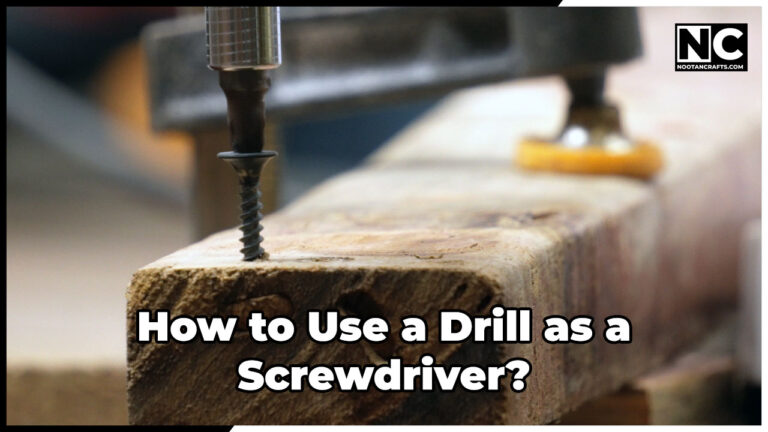
A drill drives screws perfectly well, provided it has a torque clutch and you actually set it. That numbered collar is the entire difference.
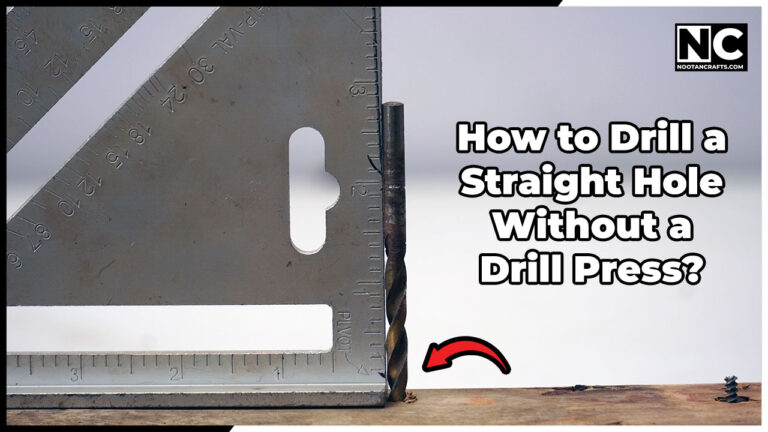
Your eye cannot judge vertical as well as it believes. The fix is never to try harder – it is to give the bit something physical to follow.

The glaze is a brittle skin under compression, so a bit that skates before it bites scratches a starting point for a crack. Beat that first moment and the rest is straightforward.

The first shelf I put up with one of these brackets nearly came down on me. The bracket was not the problem. It was the fourth design on this page, glued and screwed, and it was solid. I hung it with a plastic wall plug and an ordinary drywall screw. It held fine for a … Read more

I burned out an angle grinder on this railing. It was a 650W Black+Decker small grinder, clamped to a cutting stand, and I didn’t think about what an angled cut does. A 45-degree cut makes the disc travel through far more metal than a straight cut, and it has to do it 232 times. The … Read more
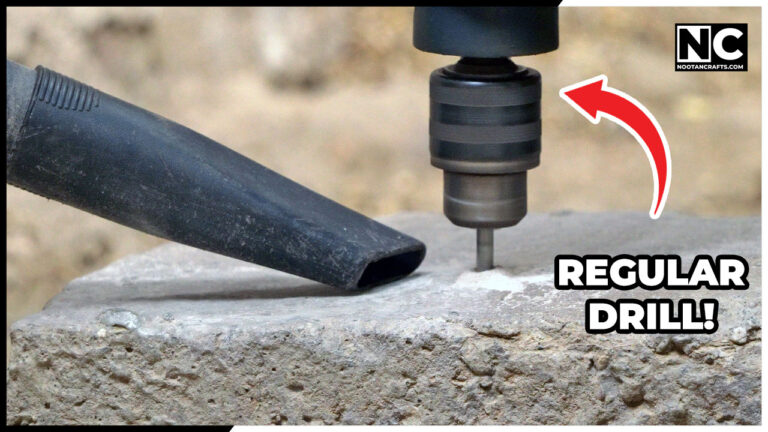
Masonry bit, impact mode, and your body weight behind it. Plus the method that works when your drill has no percussion at all – which is what the question usually means.

Thin, brittle and curved is the worst combination there is for drilling. Two methods, and for most shells the one needing no power tool is the one to try first.
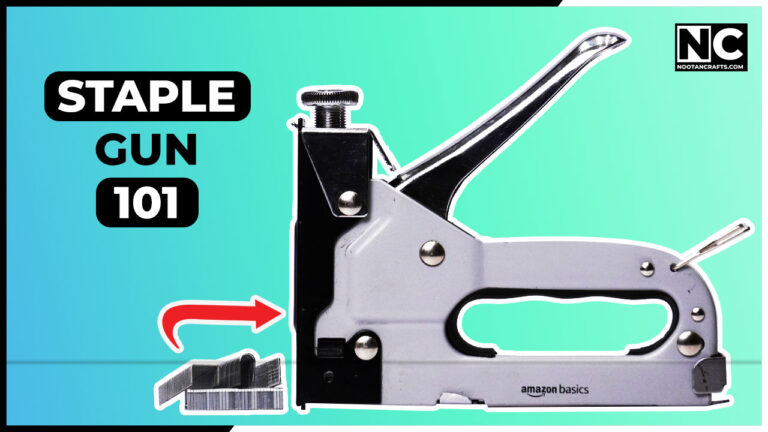
Bottom-loaders take the strip legs up, top-loaders legs down. Both mechanisms in five steps, plus the leg-length chart that stops the jams.
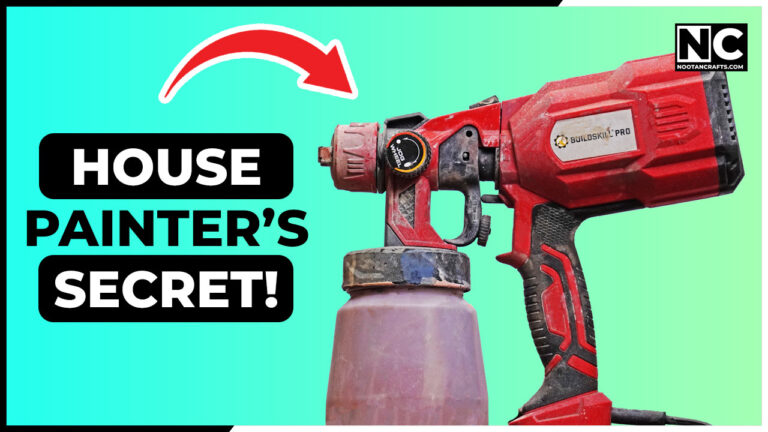
Use an HVLP spray gun by thinning your material to the viscosity the gun’s own cup chart calls for, filling and mounting the cup with the suction tube angled correctly for your spray direction, dialing in the pattern and flow rate on a test surface first, then spraying in steady, overlapping passes about a foot … Read more