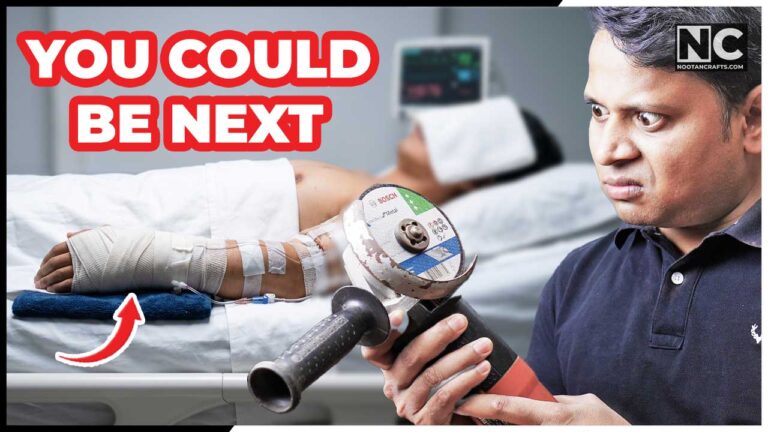
The first day I owned a drill, my friend Ranjiv leaned on it until the bit snapped and the broken end cut his hand. That was ten years ago, and it is still the clearest lesson I have about drilling metal: the bit does the cutting, and leaning on it is what breaks it.
Match the bit to the metal’s hardness. HSS handles soft metals — aluminum, brass, copper, zinc, mild steel. Cobalt handles hard ones — stainless, cast iron, hardened steel. Carbide-tipped is for tool steel and titanium, where cobalt still struggles. Run slow, keep it lubricated, and let the bit cut instead of pushing.
The full hardness table is below, along with what that day taught me.
Ten years ago my friend Ranjiv leaned on my new drill until the bit broke and cut him
We were drilling a stainless steel pipe with an ordinary bit, at full speed, dry, with nothing clamping the pipe down. Every one of those was a mistake, and together they are the standard recipe for a snapped bit:
- Wrong bit for the metal. An HSS bit against stainless work-hardens the surface. Once that happens the bit is rubbing, not cutting, and the heat climbs fast.
- Too much pressure. Force is what actually breaks the bit. If it needs leaning on, the bit is dull or wrong — pushing harder never fixes either.
- Too much speed, no lubrication. Heat destroys the cutting edge. A blunt edge needs more force, which brings you back to the line above.
- Unclamped workpiece. A pipe that rolls as the bit bites will jam it sideways. Side load is what turns a stuck bit into a broken one.
- No pilot hole. A large bit starting cold on a curved surface wanders, then catches.
Wear safety glasses. A snapping bit throws hardened steel fragments at the speed of the chuck. Clamp the work, start with a pilot hole, run slow, and stop the moment the bit stops producing chips.
What’s Inside!
- 1 – Which Bit for Which Metal
- 2 – What Actually Makes a Bit Good for Metal
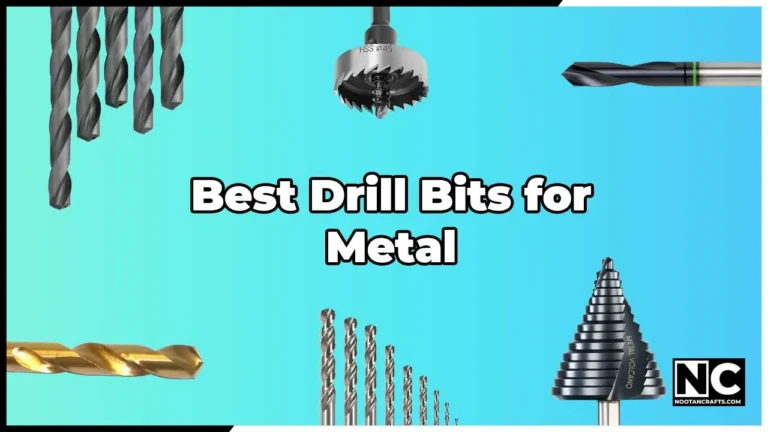
- 3 – Types of Drill Bits Best Suited for Metal
- 4 – The Hard Metals, and What They Do to Bits
- 4.1 – Hardened Steel — 60–65 HRC
- 4.2 – Stainless Steel — 50–60 HRC
- 4.3 – Cast Iron — 170–250 BHN
- 4.4 – Titanium and Tool Steel — 35–65 HRC
- 4.5 – The Soft Metals — Aluminum, Brass, Copper, Zinc, Bronze, Mild Steel
- 4.6 – Brass and Copper
- 4.7 – Mild Steel
- 4.8 – Tool Steel
- 4.9 – Zinc
- 4.10 – Bronze and Copper Alloys
- 5 – Brands Worth Buying
- 6 – Drilling Metal Without Breaking Bits
- 7 – Common Questions
- 8 – The Short Version
Which Bit for Which Metal
Hardness is measured on two different scales, and they are not interchangeable. Rockwell C (HRC) is used for hardened steels; Brinell (BHN) is used for softer metals and castings. Comparing 65 HRC against 250 BHN directly tells you nothing, so the last column gives the practical answer instead.
| Metal | Hardness | Use this bit | How hard to drill |
|---|---|---|---|
| Aluminum | 40–60 BHN | HSS, or step bit for sheet | Easy — but gummy, clear chips often |
| Copper | 35–100 BHN | HSS | Easy — soft and grabby |
| Brass | 60–120 BHN | HSS | Easy |
| Zinc | 90–130 BHN | HSS | Easy |
| Mild steel | 120–180 BHN | HSS, cobalt for volume work | Moderate |
| Bronze | 150–250 BHN | HSS or cobalt | Moderate |
| Cast iron | 170–250 BHN | HSS or cobalt | Moderate — brittle, ease off on breakthrough |
| Titanium | 35–45 HRC | Cobalt or carbide-tipped | Hard — work-hardens, never let the bit rub |
| Stainless steel | 50–60 HRC | Cobalt, or titanium-coated | Hard — work-hardens fastest of all |
| Hardened steel | 60–65 HRC | Cobalt or carbide-tipped | Very hard |
| Tool steel | 60–65 HRC | Carbide-tipped | Very hard — cobalt will struggle |
The one rule underneath all of it: the bit must be harder than the workpiece. That’s the whole reason cobalt exists — it holds its hardness at temperatures where plain HSS has already gone soft.
What Actually Makes a Bit Good for Metal
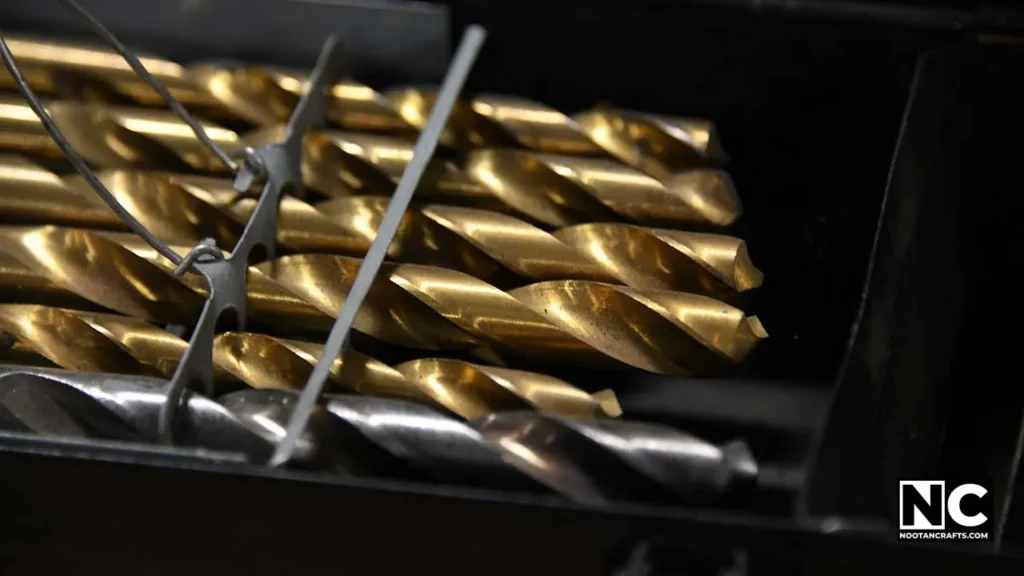
- MaterialHSS for soft metals, cobalt (M35/M42) for hard, carbide for hardest
- CoatingBlack oxide resists rust; titanium nitride adds surface hardness
- Tip angle135° split point — self-centering, won’t wander
- ShankReduced shank fits a 13 mm chuck on larger bits
One distinction worth getting right, because the marketing blurs it: a titanium-coated bit is an HSS bit with a thin hard surface layer. Sharpen it and the coating is gone. A cobalt bit has cobalt alloyed through the whole bit, so it survives resharpening. For repeated work on stainless, that difference decides which one is still usable in a year.
Types of Drill Bits Best Suited for Metal
1. Twist Drill Bits — Your Everyday Heroes
Twist bits are so versatile you’ll use them most often. For tougher material, choose cobalt or black oxide — they’re heat-resistant and durable.


Last update on 2026-09-14 / Affiliate links / Images from Amazon Product Advertising API
Quick Tip: Drill a smaller pilot hole first. It makes the cut smoother and takes the load off the bit — a small step that saves time, especially on larger holes.
2. Step Drill Bits — Sheet Metal Specialists
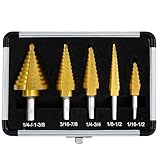
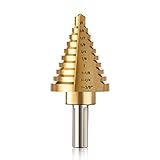
These cone-shaped bits are for thin metal like aluminum sheet, letting you drill several sizes with one bit. The stepped design leaves a clean hole without the tearing you get from a twist bit punching through thin stock.
Last update on 2026-07-03 / Affiliate links / Images from Amazon Product Advertising API
Pro Tip: Slow speed and cutting oil. Step bits cut on a wide edge, so they generate heat faster than a twist bit of the same diameter.
3. Hole Saw Bits — For Larger Jobs
When step bits run out of range, hole saws take over — pipe cutouts, electrical boxes, anything where you need a hole bigger than about 13 mm through real thickness.


Last update on 2026-09-09 / Affiliate links / Images from Amazon Product Advertising API
Clamp it, always. A hole saw has far more cutting edge in contact than a twist bit, so it grabs harder. An unclamped workpiece will spin with it — this is the bit type most likely to wrench a piece out of your hand.
4. Carbide-Tipped Bits — The Hardened Steel Solution
You can get through stainless with titanium-coated or black oxide bits, but carbide-tipped bits handle heat and hardness better and keep their edge. This is the bit for tool steel and hardened steel, where cobalt starts losing the argument.


Last update on 2026-09-14 / Affiliate links / Images from Amazon Product Advertising API
Pro Tip: If you work hard metals often, a good carbide-tipped set costs less than repeatedly replacing dulled bits. Keep the speed low and use cutting oil — carbide is hard but brittle, and it chips if you let it chatter.
The Hard Metals, and What They Do to Bits
The table above gives the pick. These four are worth a note because they fail in specific ways.
Hardened Steel — 60–65 HRC
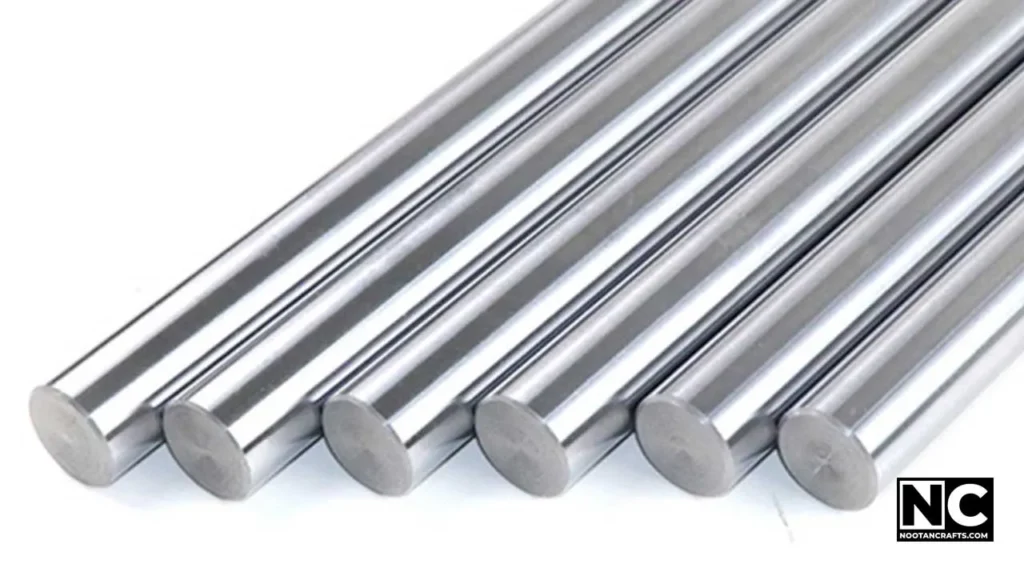
High carbon content plus chromium, molybdenum, or vanadium. Very hard, and brittle. Cobalt or carbide-tipped, low speed, constant lubrication. If the bit stops making chips, stop—it’s rubbing, and rubbing is how you lose both the bit and the surface temper.
Stainless Steel — 50–60 HRC
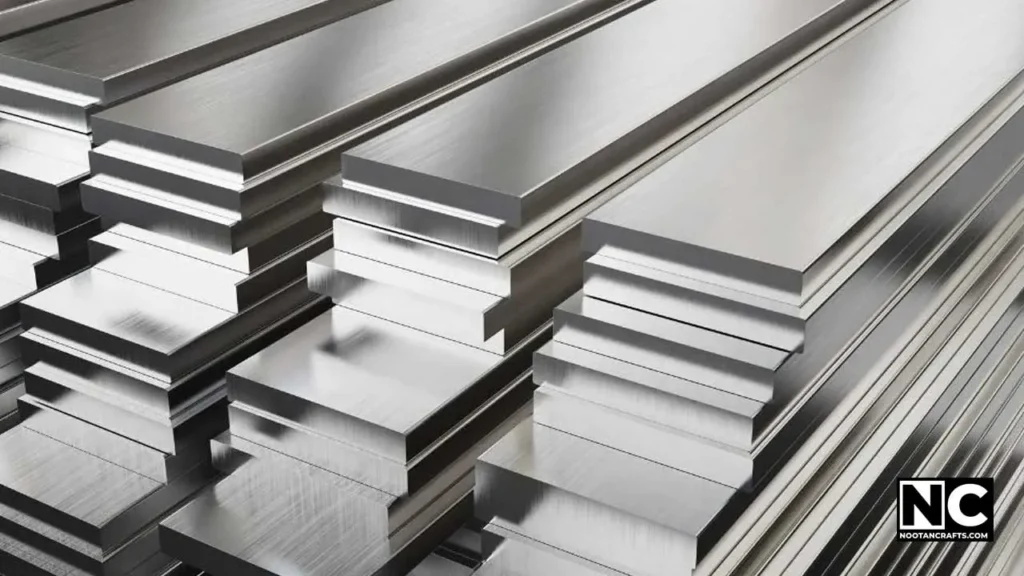
Iron with 12–20% chromium and nickel. The chromium gives corrosion resistance and makes it harder to drill than mild steel — but the real problem is work hardening. Let the bit spin without cutting for a few seconds and the surface becomes harder than the bit. That is exactly what happened to the pipe in the story above. Cobalt bits, firm steady feed, never let it skate.
Cast Iron — 170–250 BHN
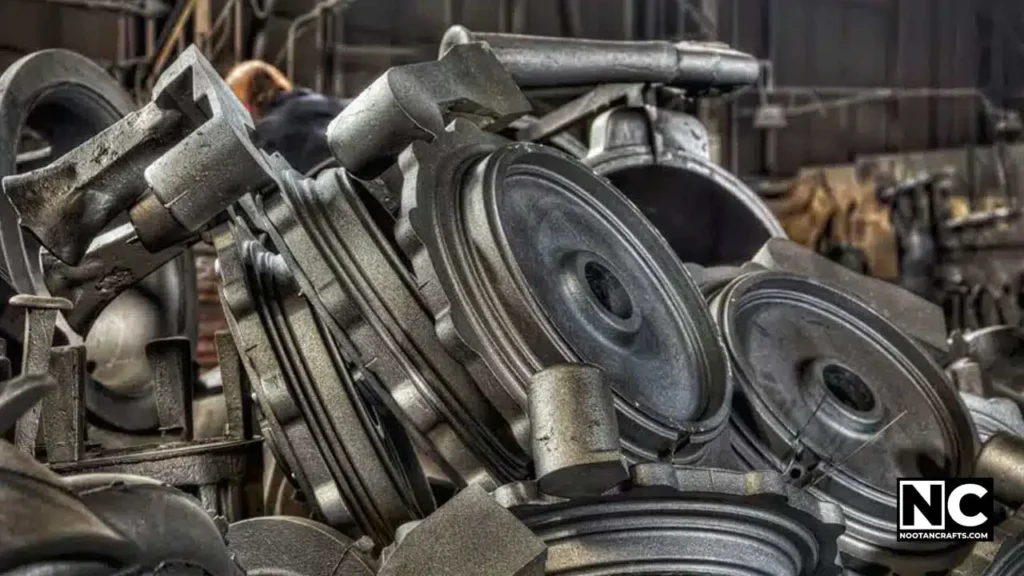
Iron with 2–4% carbon and silicon. Not especially hard, but brittle — it cuts easily and then cracks at breakthrough if you’re still leaning on it. HSS or cobalt, and ease off in the last millimeter. Cast iron also drills dry; it produces graphite dust rather than chips, so oil just makes a paste.
Titanium and Tool Steel — 35–65 HRC
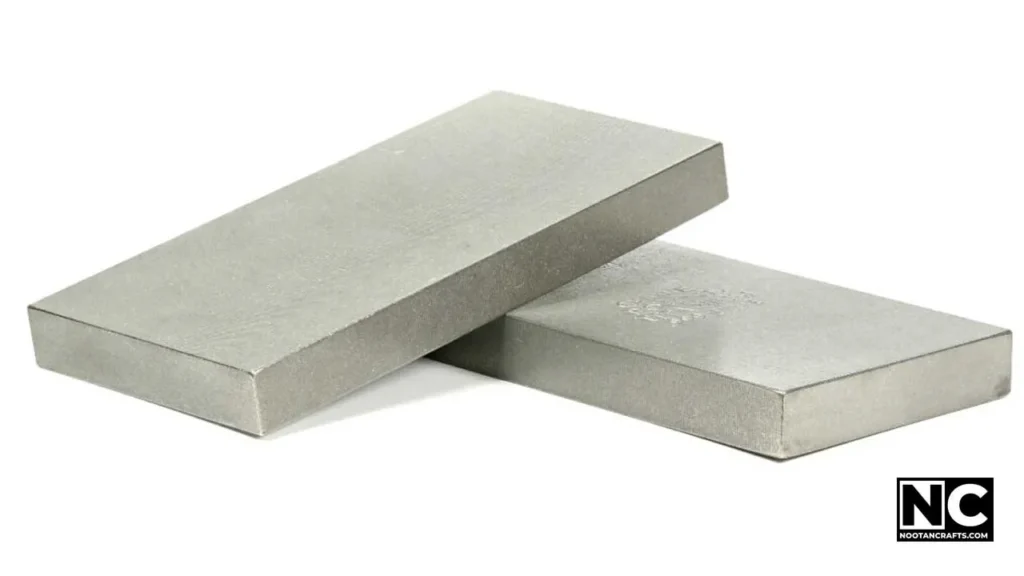
Titanium is lighter than steel but work-hardens like stainless, and it holds heat instead of shedding it. Tool steel is alloyed with tungsten or vanadium specifically to resist wear — which is to say, specifically to resist being drilled. Both want carbide-tipped bits, low speed, and patience.
The Soft Metals — Aluminum, Brass, Copper, Zinc, Bronze, Mild Steel
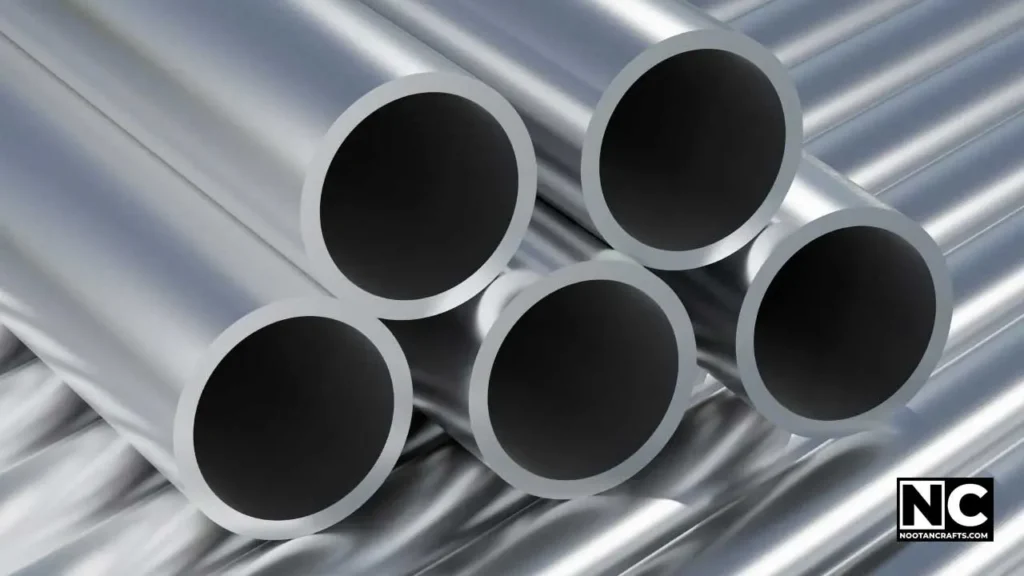
Standard HSS bits handle all of these. The problem with soft metals isn’t hardness, it’s behavior: aluminum is gummy and welds itself into the flutes, so back the bit out to clear chips. Copper and brass grab and pull the bit through faster than you intended — ease off near breakthrough or you’ll get a torn hole. For thin aluminum sheet, a step bit beats a twist bit every time.
Brass and Copper
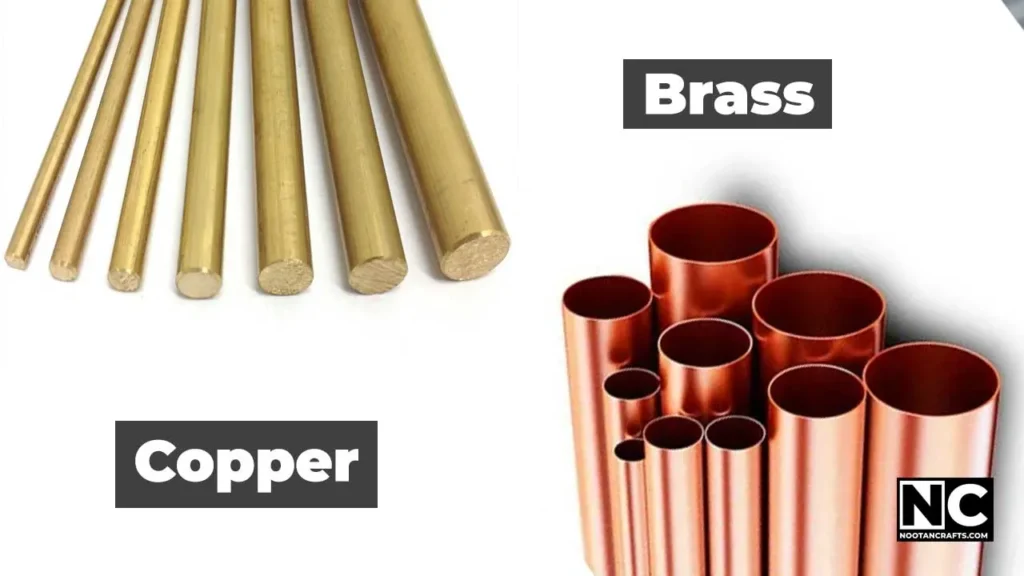
Hardness: brass 60-120 BHN, copper 35-100 BHN. Both are soft enough for plain HSS, and both grab – back the drill off at breakthrough or the bit snatches the work.
Mild Steel
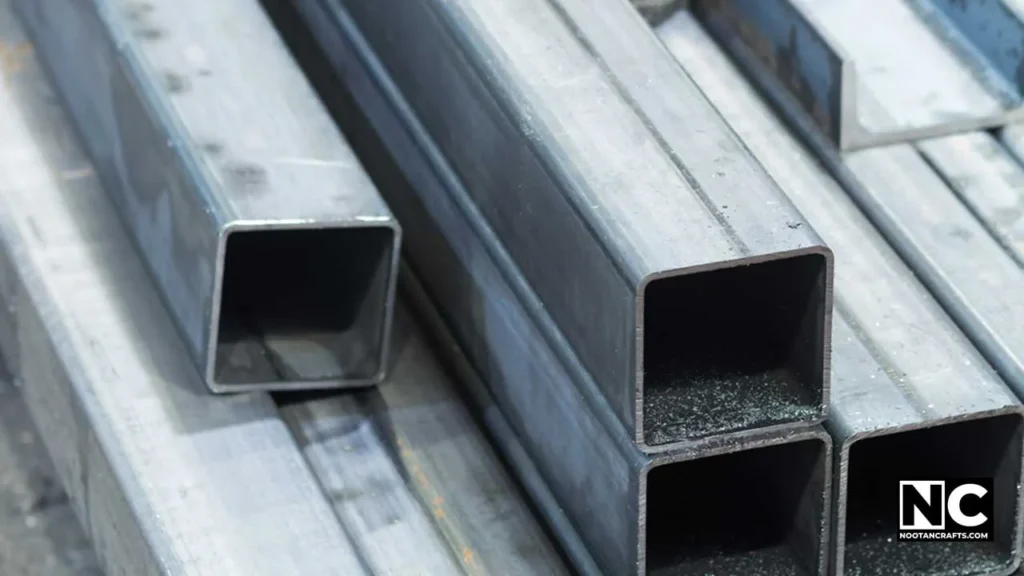
Hardness: 120-180 BHN. The everyday metal, and the one HSS was designed for. Moderate speed, a drop of oil, steady pressure.
Tool Steel
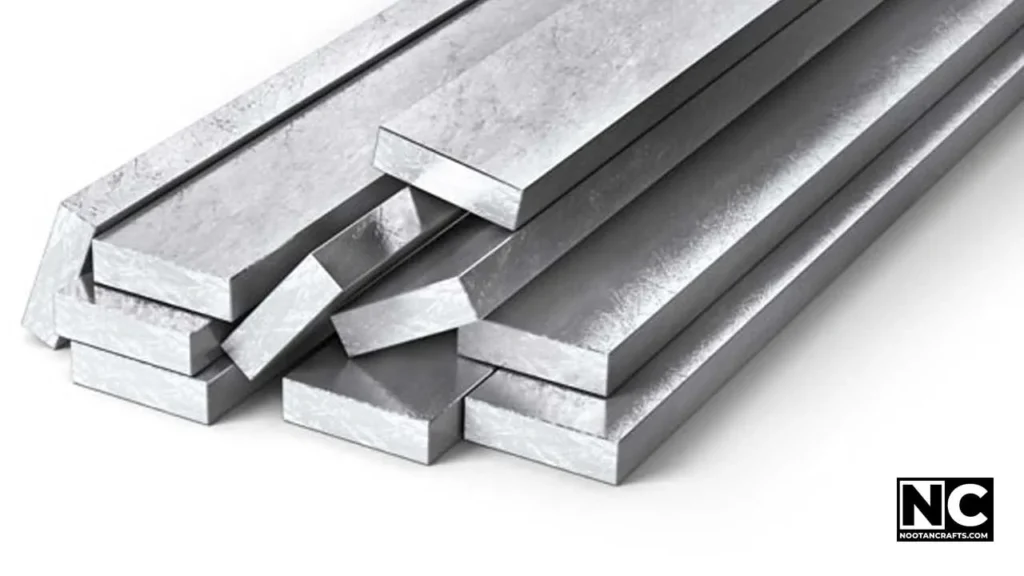
Hardness: 60-65 HRC. Cobalt at minimum, carbide if it has been hardened. This is where a plain HSS bit stops cutting and starts polishing.
Zinc
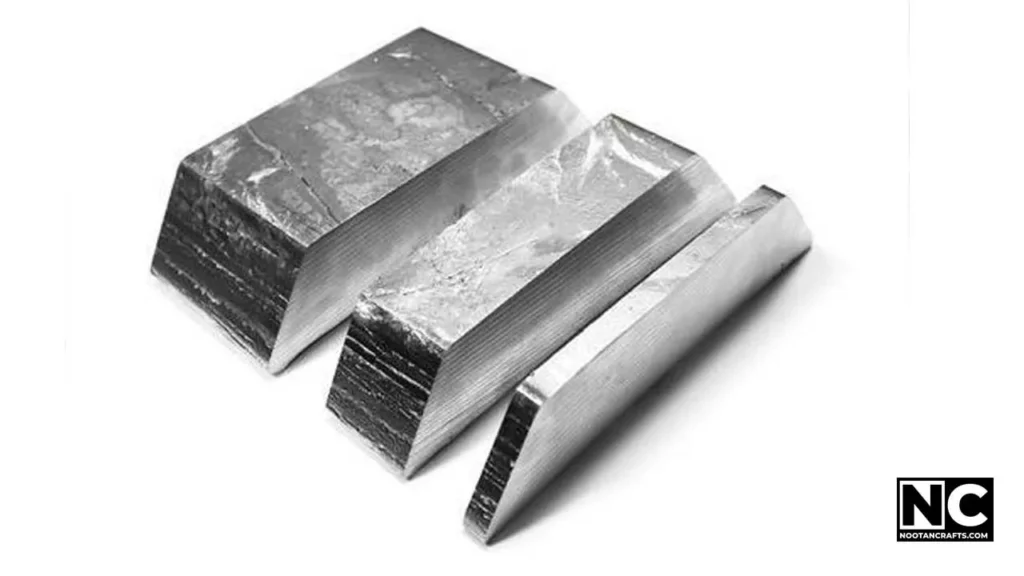
Hardness: 90-130 BHN. Soft and gummy – it loads the flutes rather than chipping away. Clear the bit often and keep the speed down.
Bronze and Copper Alloys
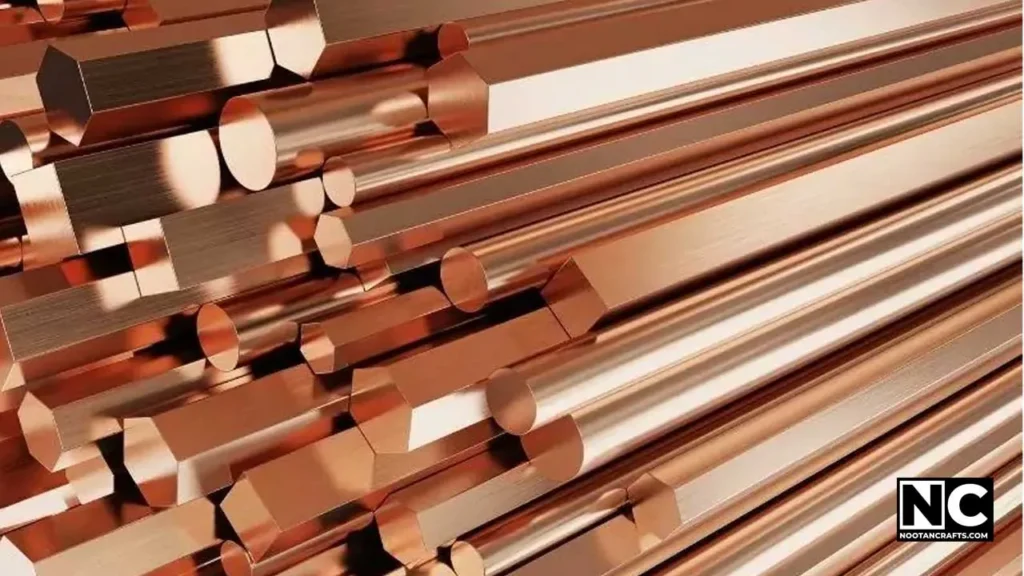
Hardness: 150-250 BHN. Harder than brass and less forgiving. HSS works, cobalt lasts longer, and lubrication matters more than it does on brass.
Brands Worth Buying
I’ve bought and used all six of these. Here’s where each one actually fits.
| If you want | Buy | Why |
|---|---|---|
| One set for most jobs | Bosch | Best balance of price and durability. My default for aluminum through mild steel |
| Cheapest that still lasts | Makita | Held their edge through a galvanized steel workbench build — better than the price suggested |
| Hard metal, repeatedly | Milwaukee | Red Helix cobalt stayed sharp across dozens of holes on a rusted gate without overheating |
| Heavy-duty site work | DeWalt | Pilot point technology starts clean and reduces lock-up on breakthrough |
| Budget, well organized | Irwin | Consistent quality, and the cases actually keep a set together |
| Industrial thickness | Drill America | Overkill for light work, worth the premium for steel beam thickness |
If you’re buying one set today: a Bosch HSS set for general work, plus a small cobalt set kept aside only for stainless. That pair covers almost everything a home workshop meets, and keeping the cobalt bits off soft metal is what makes them last.
Bosch

Titanium, cobalt and hole saws across the range, and the best balance of price and durability here. This is my default for anything from aluminum strips through mild steel pipe – no overheating, no early dulling.
DeWalt
Built for punishment. The cobalt bits go through stainless, and the pilot point tip starts clean and reduces lock-up at breakthrough. More expensive up front, and the wear resistance earns it back on demanding jobs.
Makita

The sweet spot between cost and performance. I bought a set for a DIY metal workbench that meant drilling galvanized steel, expected little for the price, and they held their edge far better than the price suggested.
Irwin Tools

Consistent quality at a price DIYers can live with, cobalt included for harder metals. The cases are actually good – a set that stays organized is a set you still have complete in two years.
Drill America
Industrial-grade, and overkill for light work. If you are drilling steel beams or thick section repeatedly, this is where the premium is justified. For a home workshop it usually is not.
Milwaukee

The Red Helix cobalt bits are the standout for metalwork – fast, and properly heat resistant. I ran a set across dozens of holes on a rusted gate and they stayed sharp throughout.
Drilling Metal Without Breaking Bits
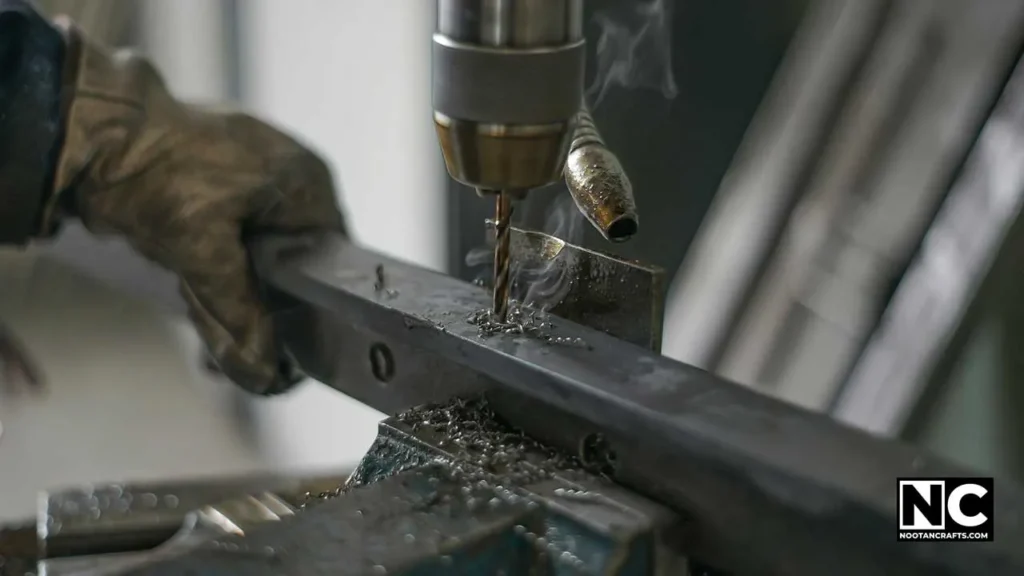
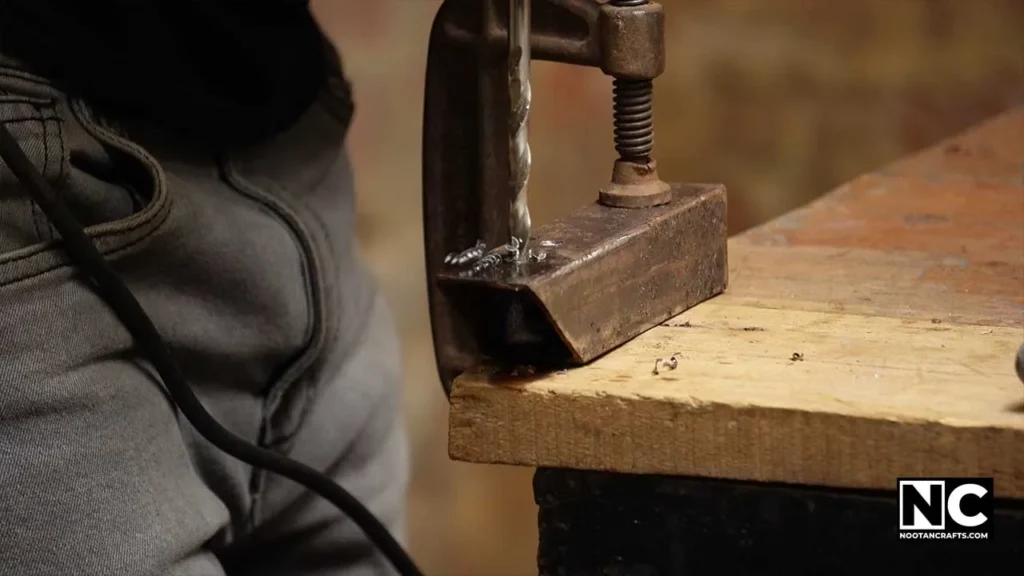
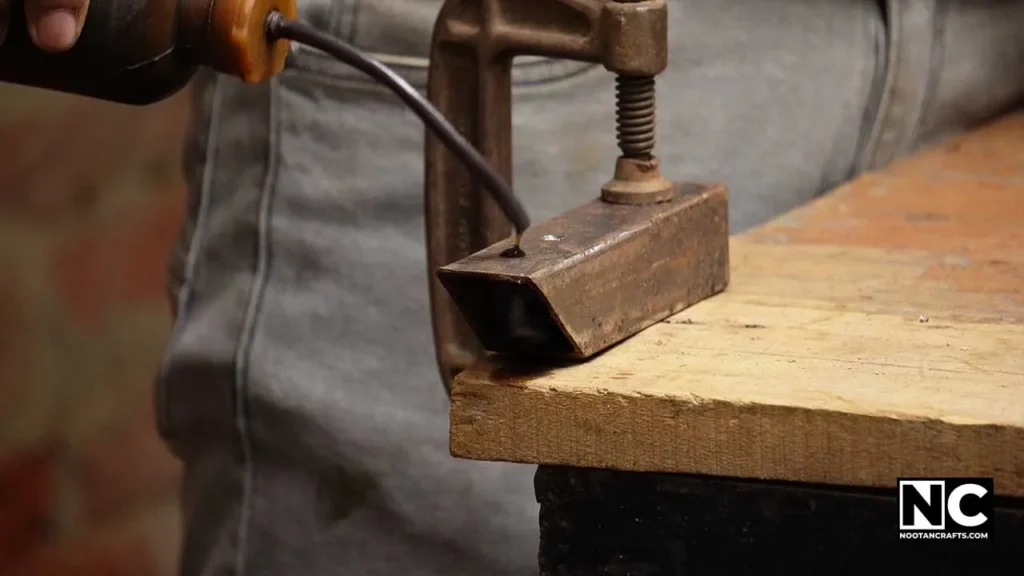
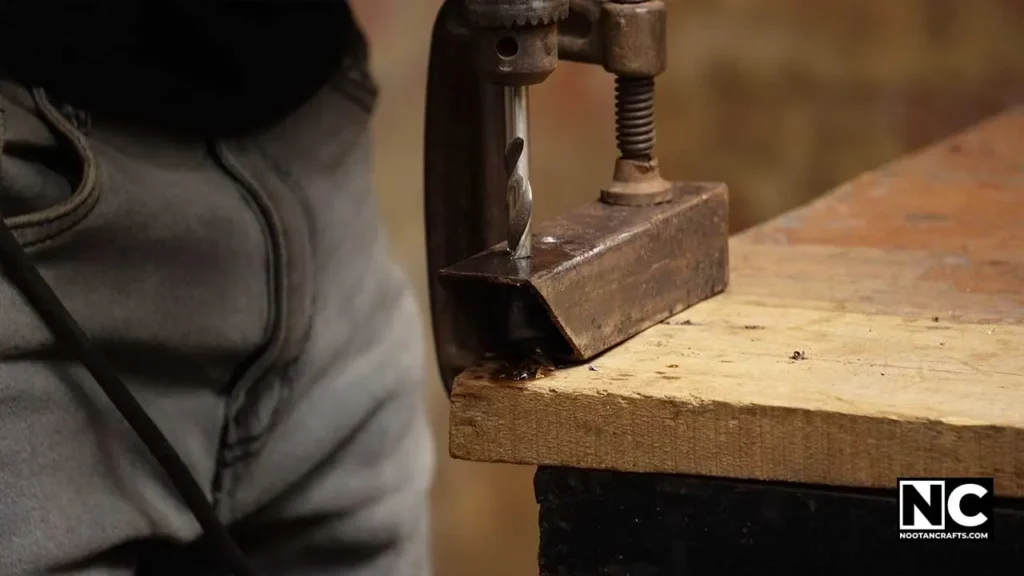
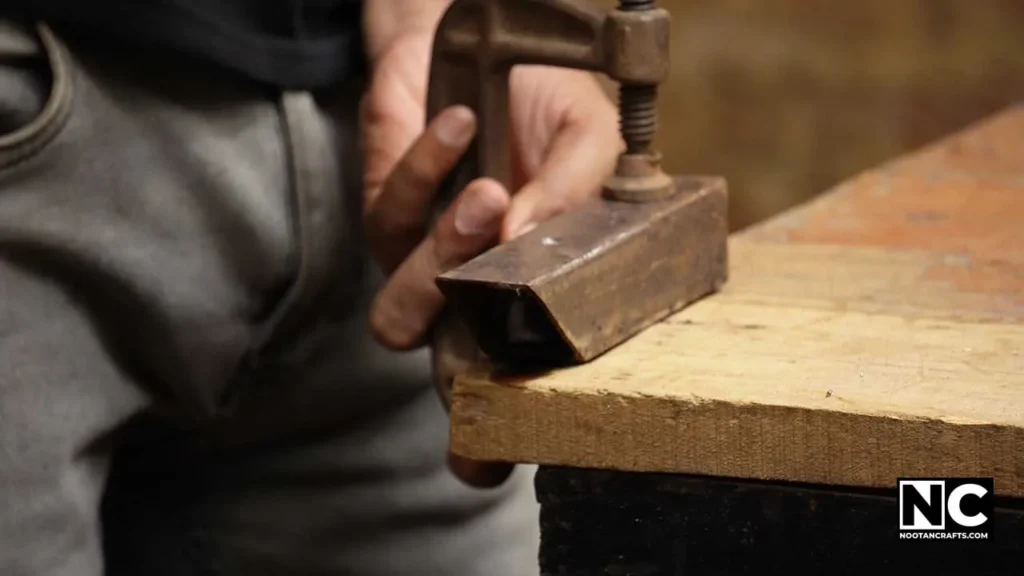
- Clamp the workpieceA vise or clamps, every time. A piece that moves is how bits jam and snap — and how you end up chasing a spinning offcut across the bench, which I have done.
- Mark and punch the centerA center punch dimple stops the bit wandering on the first contact. On curved stock like pipe this isn’t optional.
- Drill a pilot holeFor anything above roughly 6 mm, start with a small bit. The large bit then has a center to follow and far less material to remove.
- Run slowBigger bit and harder metal both mean lower speed. High speed generates heat, heat dulls the edge, and a dull edge needs force — which is where breakage starts.
- LubricateA few drops of cutting oil cuts friction and carries heat away. Soapy water or engine oil will do at a push. Cast iron is the exception — drill it dry.
- Let the bit cutSteady moderate pressure. If it needs leaning on, stop and check the bit, the speed, and the lubrication rather than pushing harder.
- Cool between holesOn a run of holes, pause every few. I snapped a perfectly good cobalt bit in a length of angle steel purely from impatience, and replacing it mid-project cost more time than the pauses would have.
- Ease off at breakthroughThe bit grabs as it exits. Reduce pressure in the last millimeter, especially on brittle cast iron and thin sheet.
Common Questions
Can I use wood drill bits on metal?
No. Wood bits use a sharp lead point and a shallower angle designed to pull into soft fiber. On metal that point dulls almost immediately and the bit will wander before it cuts. Use HSS at minimum.
What’s the difference between cobalt and titanium bits?
A titanium bit is HSS with a hard coating on the surface. A cobalt bit has cobalt alloyed through the entire bit. The coating wears off — and disappears completely if you sharpen it — while cobalt keeps its properties all the way through. For repeated hard-metal work, cobalt is the one that lasts.
What speed should I drill metal at?
Slower for harder metal and larger bits. Hardened steel and stainless want the lowest setting your drill offers; aluminum tolerates more. The reliable indicator isn’t a number, it’s the chips: steady curls mean the speed is right, dust or discolouration means it’s too fast.
Why does my bit stop cutting partway into stainless?
Work hardening. Stainless hardens where it’s been rubbed rather than cut, so the moment the bit skates the surface becomes harder than the bit. Once it happens you need a fresh sharp bit and a firmer, steadier feed — pushing the same bit harder makes it worse.
Do I really need cutting oil?
For anything harder than aluminum, yes. It cuts friction and carries heat out of the cut, which is what preserves the edge. Cast iron is the exception — it produces graphite dust that turns to paste with oil, so drill it dry.
Can I sharpen metal drill bits?
Yes, and it’s worth doing with cobalt and plain HSS. It is not worth doing with titanium-coated bits — sharpening removes the coating that made them worth buying, leaving an ordinary HSS bit.
The Short Version
Match the bit to the hardness: HSS for soft metals, cobalt for stainless and hardened steel, carbide-tipped for tool steel and titanium. Then do the boring parts properly — clamp it, punch it, pilot it, run slow, keep it wet, and stop when the chips stop. Nearly every broken bit I’ve seen, including the one that cut my friend, came from skipping one of those.