I spent years using a ball-peen hammer for everything — nails, chisels, hanging picture frames. It kept sliding off the nail head and hitting the wall, and I assumed I was being careless. I wasn’t. A ball-peen has a rounded face designed for shaping metal, and it will never sit flat on a nail. That’s why these types exist.
About 13 hammer types are commonly used, but a home workshop needs three: a 16 oz claw hammer for nails and general work, a rubber mallet for anything that must not be marked, and a club hammer for chisels and masonry. Everything else is a specialist tool you buy when a specific job demands it.
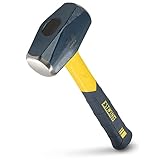
What I’d buy for this job


Last update on 2026-10-25 / Affiliate links / Images from Amazon Product Advertising API
What’s Inside!
- 1 – Quick Pick: Which Hammer Do You Need?
- 2 – Parts of a Hammer, and Why They Matter
- 3 – The 13 Hammer Types
- 3.1 – 1. Claw Hammer
- 3.2 – 2. Ball Peen Hammer
- 3.3 – 3. Sledgehammer
- 3.4 – 4. Rubber Mallet
- 3.5 – 5. Framing Hammer
- 3.6 – 6. Dead Blow Hammer
- 3.7 – 7. Club Hammer
- 3.8 – 8. Tack Hammer
- 3.9 – 9. Roofing Hammer
- 3.10 – 10. Bricklayer's Hammer
- 3.11 – 11. Cross-Peen Hammer
- 3.12 – 12. Scaling Hammer
- 3.13 – 13. Chipping Hammer
- 4 – Where to Go From Here
- 5 – Common Questions
- 6 – Building Your Set
Quick Pick: Which Hammer Do You Need?
| Your job | Hammer | Typical weight |
|---|---|---|
| Nails, general household work | Claw hammer | 16 oz |
| Framing, structural lumber | Framing hammer | 20-28 oz |
| Shaping or riveting metal | Ball peen | 8-16 oz |
| Furniture, tile, anything that dents | Rubber mallet | 16-24 oz |
| Striking a chisel, light masonry | Club hammer | 2-4 lb |
| Demolition, breaking concrete | Sledgehammer | 6-20 lb |
| Machine parts, no rebound allowed | Dead blow | 16-32 oz |
| Upholstery, tacks, fine work | Tack hammer | 5-8 oz |
| Shingles and roof work | Roofing hammer | 14-20 oz |
| Cutting and setting brick | Bricklayer’s hammer | 16-24 oz |
Buying your first hammer? A 16 oz claw hammer with a fiberglass handle. It’s the one that covers the widest range of jobs, and the weight is light enough for control but heavy enough to drive a nail in three or four strikes rather than ten.
Parts of a Hammer, and Why They Matter
Most people buy on weight alone. The three things below matter just as much, and they separate one type from another.
The Face
A flat (smooth) face leaves no mark and is what you want for finish work and anything visible. A milled (waffle) face has a textured grid that grips the nail head and stops the hammer skating off — excellent for framing where you’re driving nails at speed, and wrong for finish work because it stamps that grid into the timber.
A slightly domed face is standard on quality claw hammers. It lets you drive a nail flush without the rim of the face bruising the surrounding wood.
Handle Material
| Handle | Strengths | Trade-off |
|---|---|---|
| Wood (hickory) | Absorbs shock best, replaceable, traditional feel | Head can loosen over time, breaks on a bad overstrike |
| Fiberglass | Good shock absorption, won’t loosen, weather-resistant | Not repairable if the shaft cracks |
| Steel | Nearly indestructible, one-piece | Transmits the most shock to your wrist and elbow |
If you use a hammer occasionally, the handle barely matters. If you’re driving nails all day, shock absorption is what decides whether your elbow hurts by evening — which is why steel handles are the least popular with people who swing them professionally, despite being the toughest.
Weight
Heavier drives faster but tires you and costs accuracy. The rule that works: the lightest hammer that sinks the nail in three or four strikes. If you need eight, go heavier. If you’re bending nails and missing, go lighter. For most household work, that lands at 16 oz.
The two failures that cause hammer injuries are both visible in a five-second check
- A loose head. Grip the handle, try to twist the head. Any movement at all means stop — a head that separates mid-swing travels at whatever speed you were swinging at, in whatever direction you were pointed.
- A chipped or mushroomed face. Hardened steel that has started to spread or chip at the rim throws fragments on impact. This is the reason for safety glasses on a job as ordinary as one nail.
- Never strike hardened steel with hardened steel. Two hammer faces, or a hammer against a hardened tool face, chips both. Use a soft-face mallet or a dead blow.
- Strike with the center of the face. Hitting with the rim is what bends nails, chips the face, and sends the hammer skidding into your other hand.
The 13 Hammer Types
1. Claw Hammer
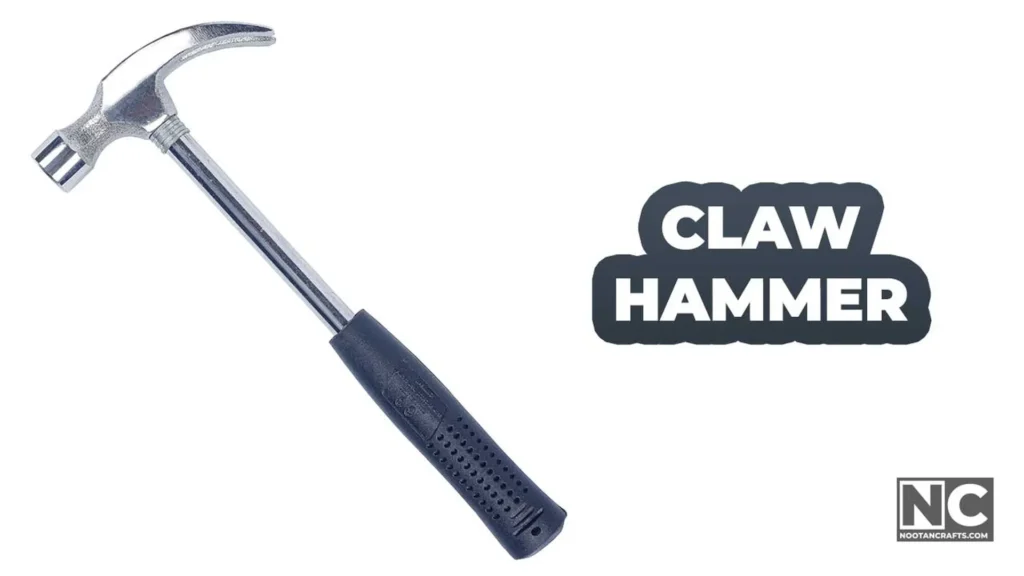
Best For: Woodworking, household repairs, general use
Flat striking face, curved claw for pulling nails. The claw curve matters more than people expect — a tighter curve gives better leverage for extraction; a straighter “rip” claw is better for prying boards apart. Available in fiberglass, steel, or wooden handles.
2. Ball Peen Hammer
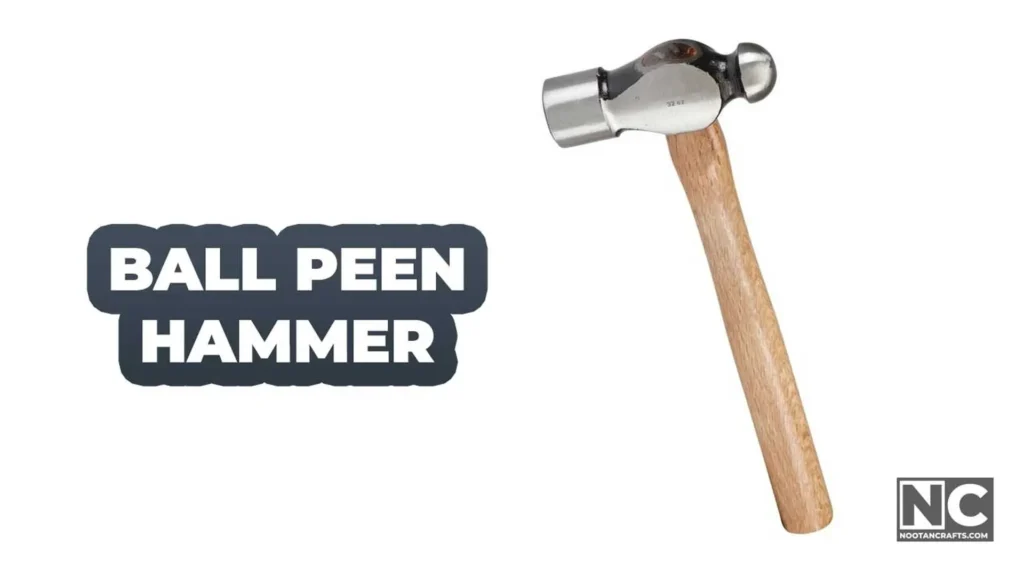
Best For: Metal shaping, riveting, blacksmithing
The rounded peen opposite the flat face is for metal forming and setting rivets. Engineers and machinists reach for this one. It is not a general-purpose hammer — the rounded profile is exactly why it slides off nail heads, as I learned the slow way.
3. Sledgehammer
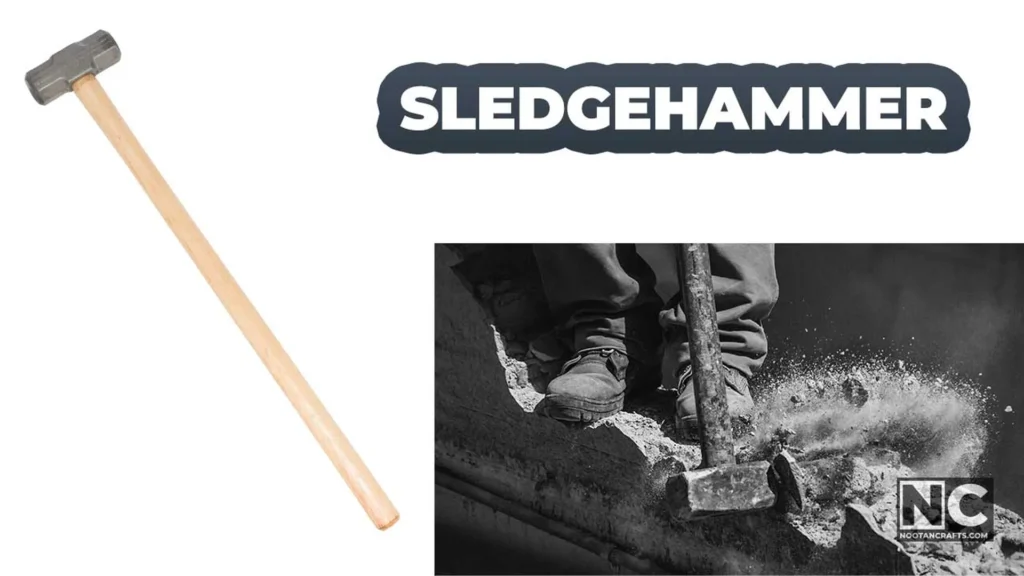
Best For: Demolition, breaking concrete, driving stakes
Long handle, heavy head, maximum force. Weight ranges from 6 lb up to 20 lb — for most home demolition, an 8 lb is far more controllable than a 16 lb and does the job. This is not a precision tool.
4. Rubber Mallet
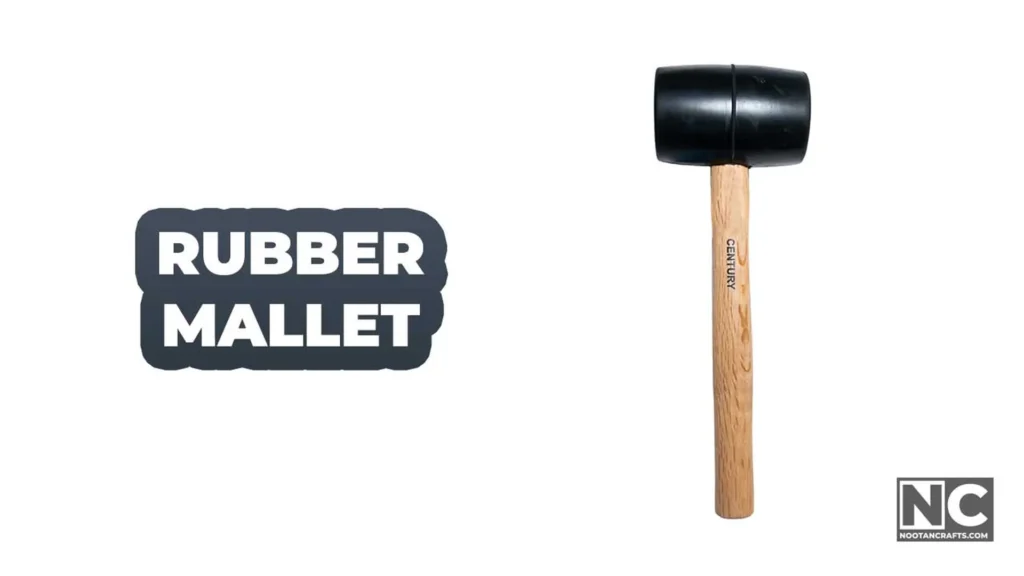
Best For: Upholstery, furniture assembly, tile work
The soft head delivers force without marking the surface. Essential for tapping furniture joints together, seating tiles into mortar, and working sheet materials. If you’re deciding between this and a steel hammer for a specific job, that’s covered in more depth in mallet vs hammer.
5. Framing Hammer
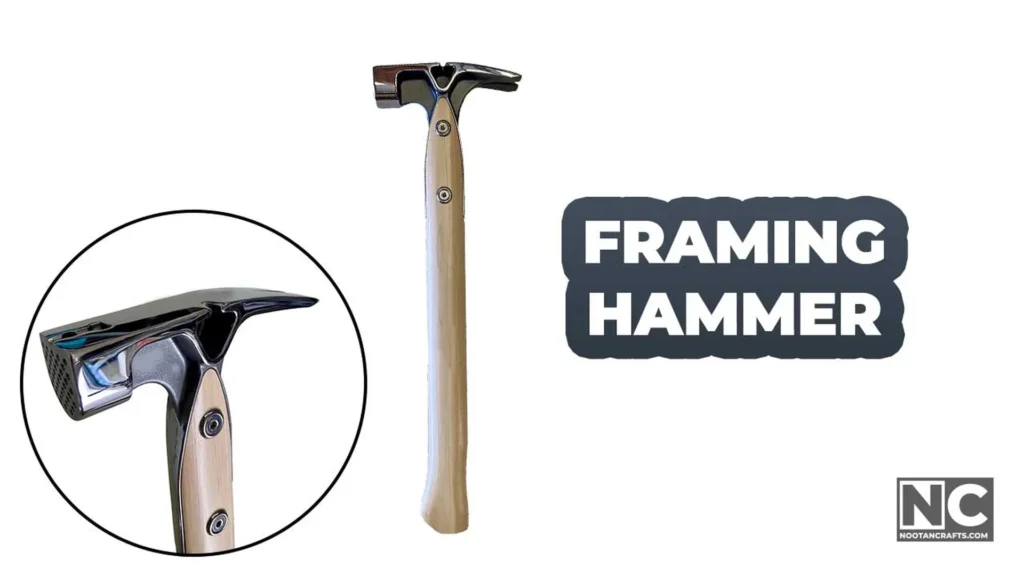
Best For: Professional carpentry, framing, heavy woodwork
Heavier and longer than a claw hammer, usually 20-28 oz with a milled face for grip. Built for driving large nails into structural lumber all day. The extra handle length adds leverage and speed, at the cost of accuracy in tight spaces.
6. Dead Blow Hammer
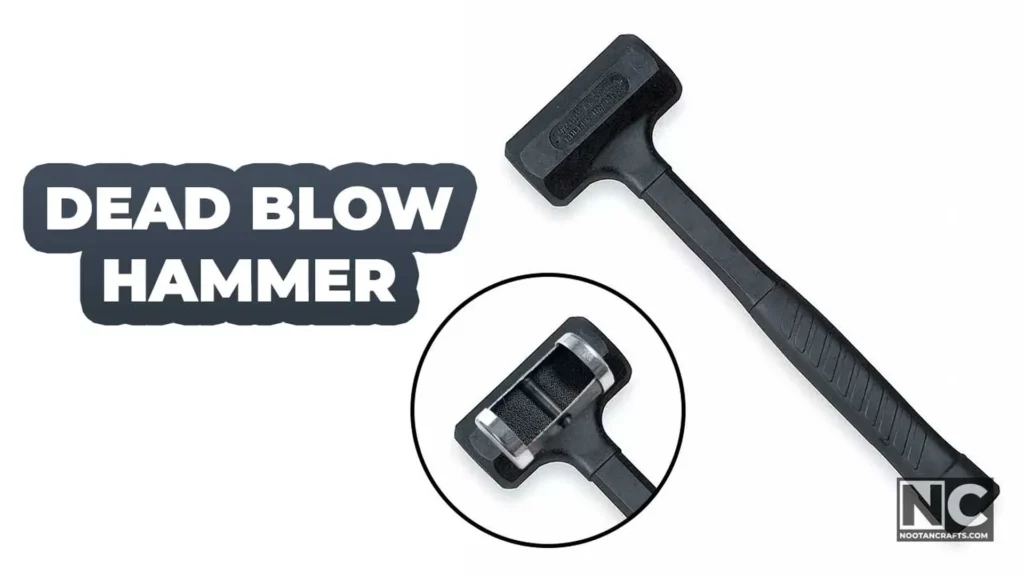
Best For: Automotive work, machinery, metal assembly
The hollow head is filled with loose steel shot or sand. On impact, the filling shifts forward and cancels the rebound, so the hammer stays put instead of bouncing back. Invaluable when a rebounding hammer would shift the part you just seated, or injure you.
7. Club Hammer
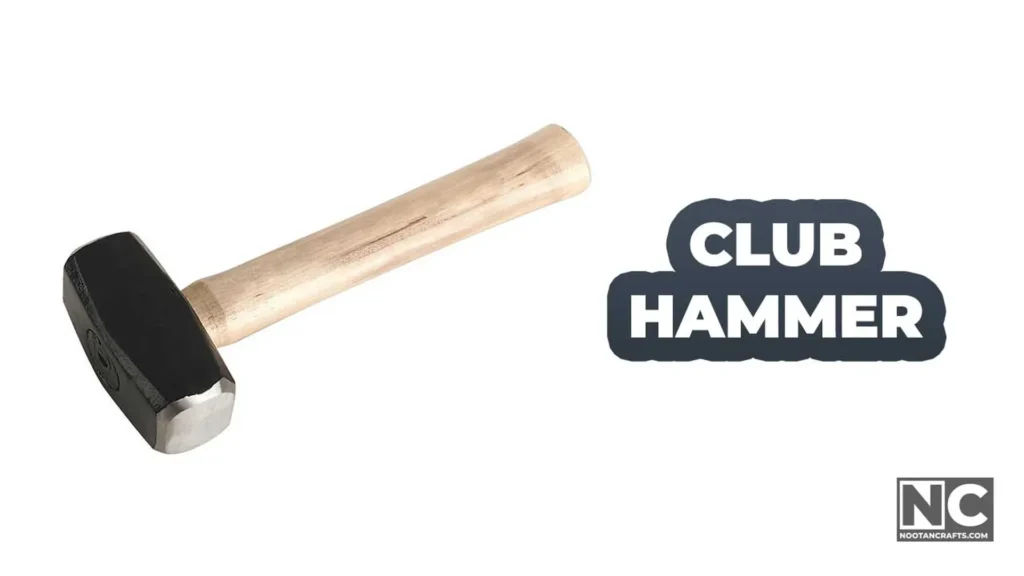
Best For: Chisel work, light demolition, masonry
A sledgehammer for tight spaces. Short handle, heavy double-faced head, usually 2-4 lb. This is the correct hammer for striking a cold chisel — the mass does the work and the short handle keeps it controllable.
8. Tack Hammer
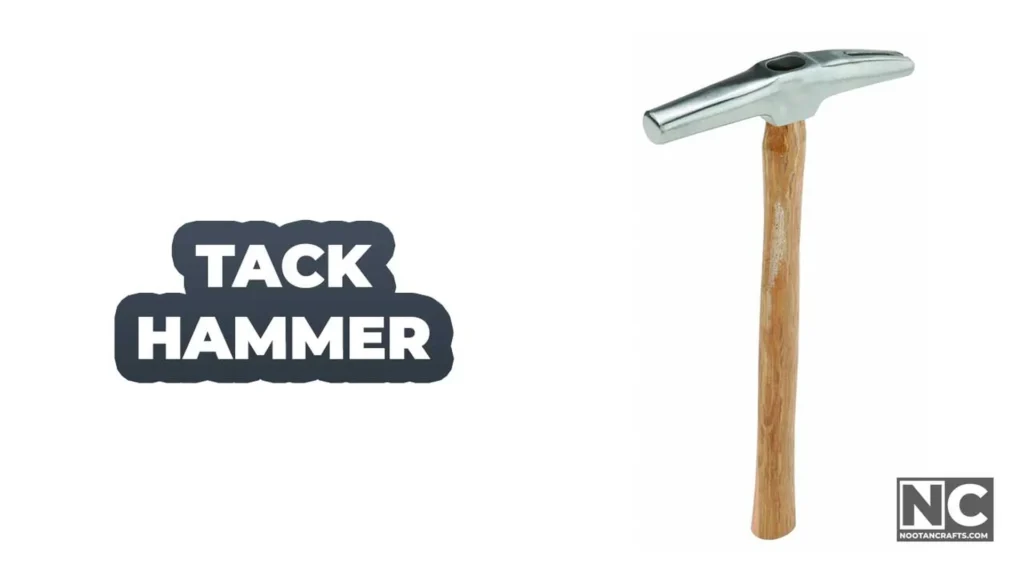
Best For: Upholstery, carpet fitting, delicate work
Lightweight, 5-8 oz, with a small split head. One face is usually magnetized, so it holds the tack for you—which is the point, since these nails are too small to hold with your fingers while striking.
9. Roofing Hammer
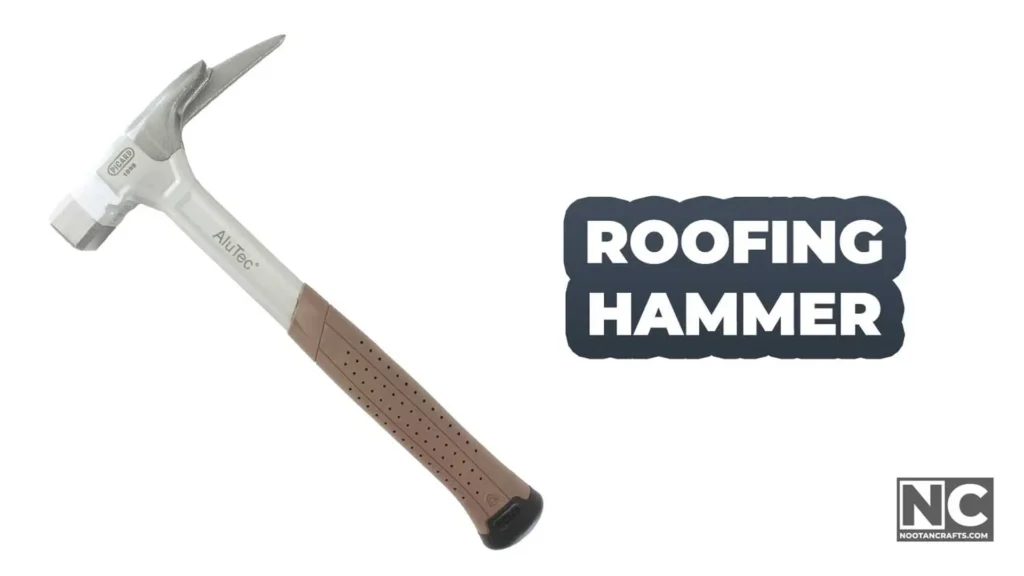
Best For: Shingle installation and roofing work
Hatchet-style blade for cutting shingles, a magnetized face for holding roofing nails, and a lightweight design for prolonged overhead use. Unless you roof regularly, you won’t need one.
10. Bricklayer’s Hammer
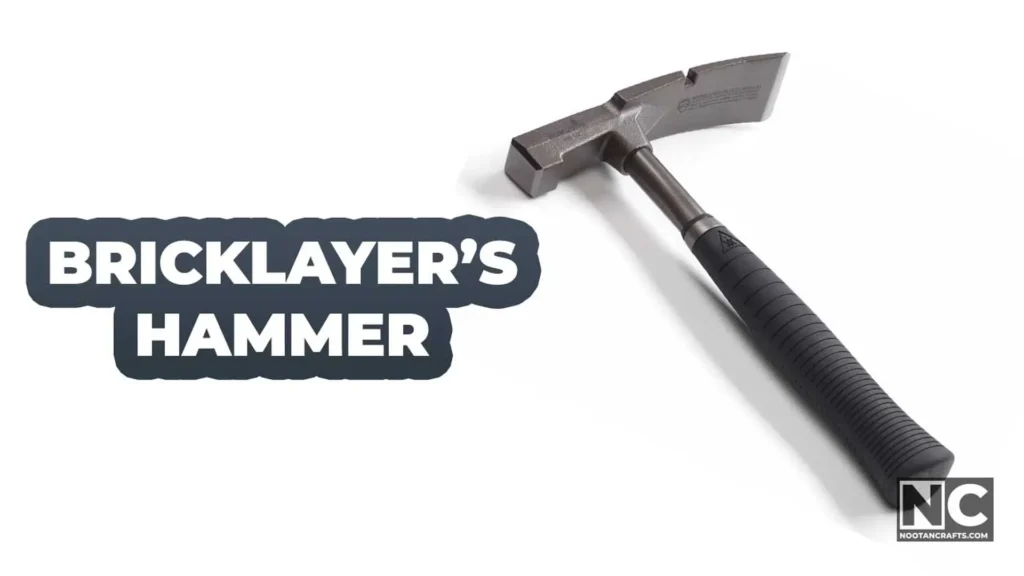
Best For: Cutting and setting bricks
Chisel-like edge on one side for scoring and splitting brick, flat face on the other for setting it into the mortar bed. Also called a mason’s hammer.
11. Cross-Peen Hammer
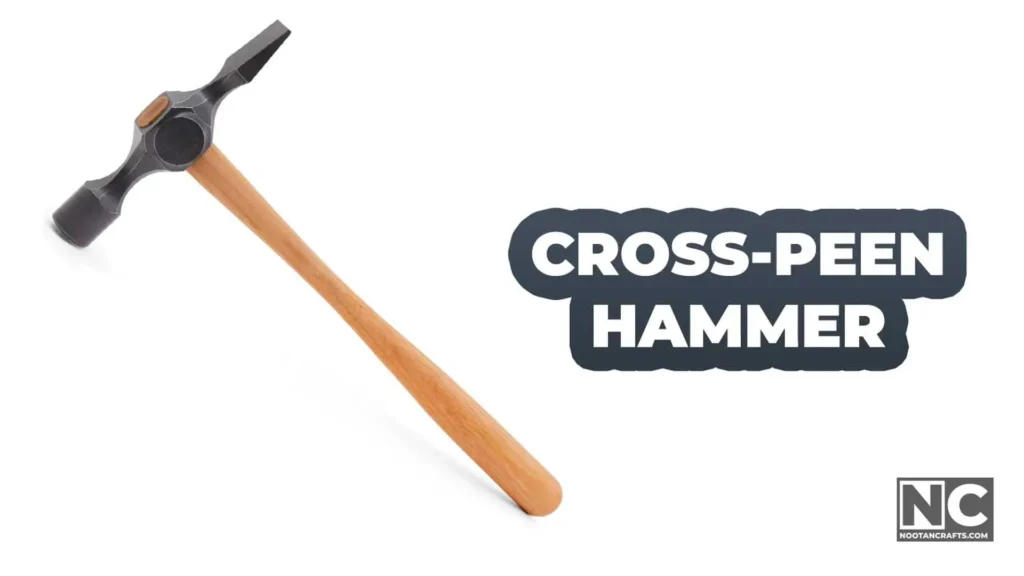
Best For: Metal shaping, riveting, starting small nails
Narrow wedge-shaped peen running perpendicular to the handle, for controlled strikes on metal without slipping. The smaller “pin” version earns its place for starting a brad you’d otherwise be holding with your fingertips.
12. Scaling Hammer
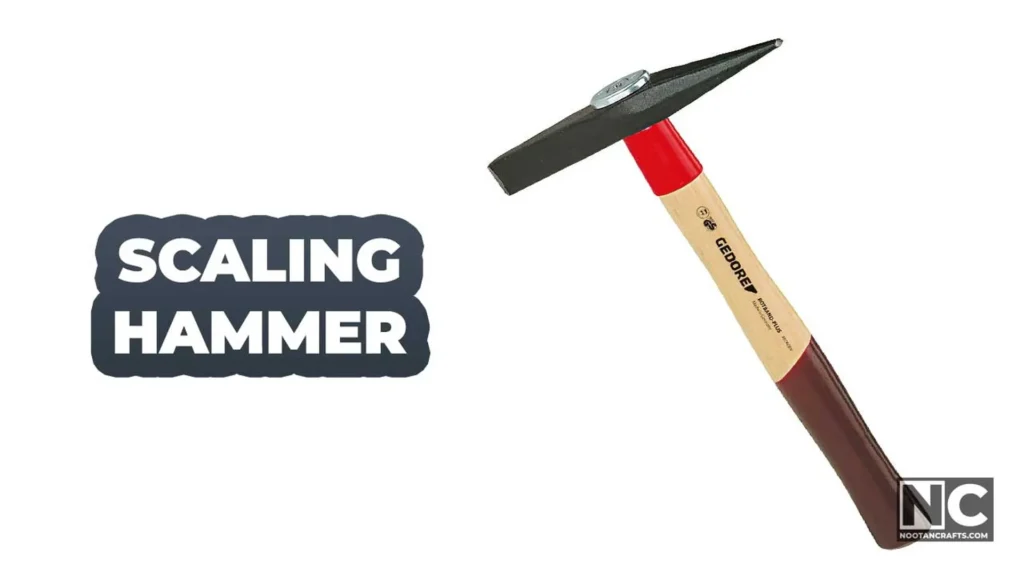
Best For: Removing rust, paint, and scale from metal
Pointed at both ends to chip hard deposits off metal surfaces without gouging the metal underneath. Common in shipyards and boiler maintenance.
13. Chipping Hammer
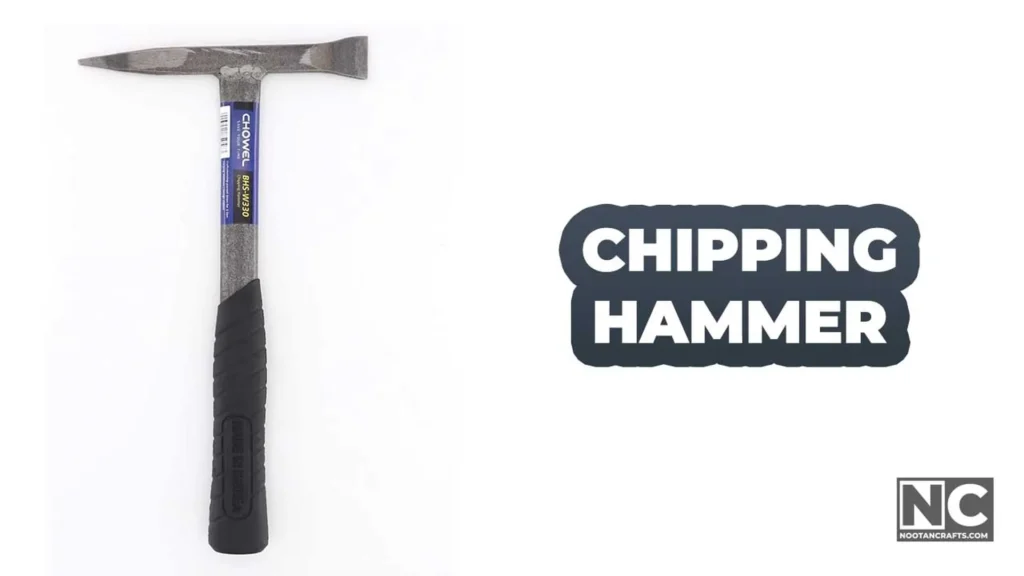
Best For: Removing welding slag and spatter
Used after welding to knock slag off the bead so you can inspect the weld and lay the next pass cleanly. Usually has a coiled-spring handle to absorb shock and stay cool near hot metal.
Where to Go From Here
When none of them is the right answer
Every hammer above is built to deliver force. Sometimes the thing you are hitting has to survive the strike intact — a chisel handle, a tenon going home, an assembled joint you are persuading square. That is a mallet’s job, and using a steel face for it is how people mark work they then have to sand out. A dead blow is the middle ground, and it is the one most people should own before a mallet. Mallet vs hammer, and when a hammer ruins the work.
Holding what you are hitting
Struck work moves, and a moving piece absorbs the blow instead of taking it. Half the frustration people blame on the wrong hammer is really a workpiece that was never held properly — most obviously with a ball peen, where shaping metal means every blow needs to land in the same place. Mounting a bench vise, including why bolting through the benchtop matters more than the vise you buy.
A rusted head is usually worth saving
Old hammers are often better than new ones — forged heads, hickory handles, and decades of proof they don’t fail. Surface rust is cosmetic and comes off; what you are checking for underneath is pitting on the face, cracks at the eye, and any looseness where the head meets the handle. Removing rust from metal covers methods ranging from a wire cup to a vinegar soak.
Common Questions
What is the most commonly used hammer?
The claw hammer. It covers the majority of household and woodworking tasks, and the claw means you can undo your own mistakes without a second tool.
Which hammer is best for metalworking?
Ball peen for shaping and riveting; cross-peen where you need a narrower, more controlled strike. Never a claw hammer — the hardened face can chip against metal.
What hammer is best for breaking concrete?
A sledgehammer in open space, a club hammer where you need control. For most home demolition an 8 lb sledge is more useful than a 16 lb, because you can actually place the blows.
Why do some hammers have a milled face?
The waffle texture grips the nail head so the hammer doesn’t skate off, which matters when you’re driving nails at speed all day. The trade-off is that it stamps that pattern into the wood, so it’s wrong for anything that will be visible.
What’s the difference between a claw and a framing hammer?
Weight and handle length. A framing hammer runs 20-28 oz with a longer handle for driving large nails into structural lumber; a claw hammer is around 16 oz and better suited to general and finish work.
What weight hammer should I buy?
The lightest one that sinks a nail in three or four strikes. For general household work that’s 16 oz. Heavier drives faster but costs accuracy and tires your arm, which is how bent nails and missed strikes happen.
Is a wooden or fiberglass handle better?
Fiberglass for most people — good shock absorption and the head won’t loosen. Wood absorbs shock slightly better and can be re-handled if it breaks, which is why traditionalists prefer hickory. Steel is the toughest and the hardest on your elbow.
Can I use a hammer instead of a mallet?
Only if the surface doesn’t matter. Steel dents wood, tile, and plastic on contact, and it will mushroom a wooden chisel handle. Put a scrap offcut between the hammer and the work if you have no mallet to hand.
Building Your Set
Start with the 16 oz claw hammer. Add a rubber mallet the first time you dent something you cared about, and a club hammer the first time you need to drive a chisel. That covers nearly everything a home workshop needs, and it took me far longer to work out than it should have — because I owned one hammer and assumed the problem was my technique.